

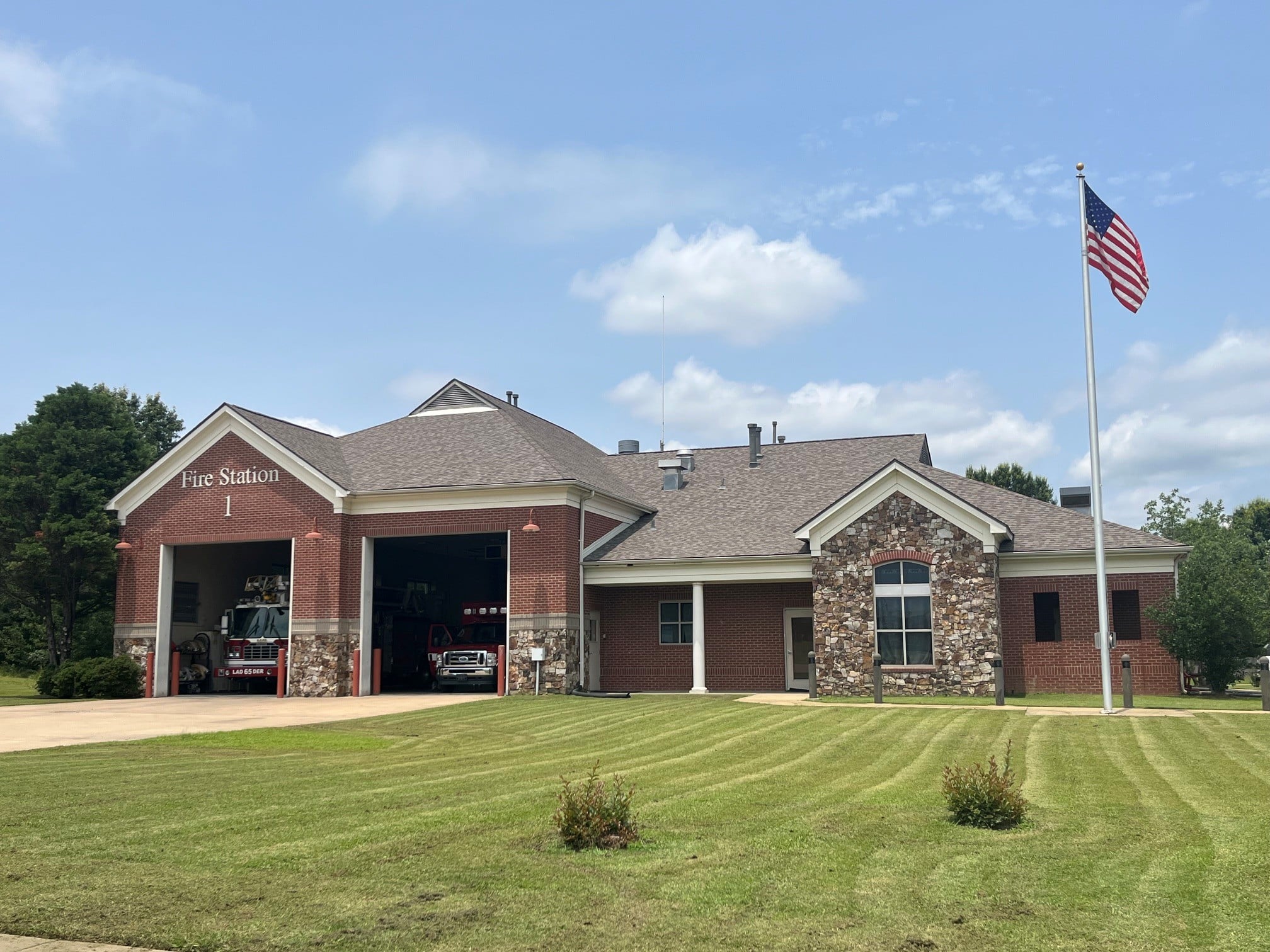
A proposed second Shelby County Fire Department station in Lakeland was a key topic of discussion among city officials during a Board of Commissioners meeting held on Tuesday, June 23, 2026 at Lakeland City Hall. The agenda item prompted broader conversations about public safety, future development, and how future growth-related revenues could benefit residents.
Mayor Josh Roman announced that plans are underway for a second Shelby County Fire station in Lakeland, potentially at the corner of Highway 70 and Seed Tick Road, with a targeted opening date of July 1, 2028. The proposed facility would be funded through the Safe City Tax Increment Financing (TIF) district and supported by developers involved in the Valleybrook and Scotts Creek developments. According to Mayor Roman, architectural and engineering work has already begun.
The additional station is intended to enhance emergency response capabilities as Lakeland continues to grow. Roman noted that significant structure fires often require multiple fire apparatus and personnel, and that Lakeland currently depends on assistance from neighboring departments and stations located outside the city. A second station would expand Shelby County Fire’s presence within Lakeland and improve overall service coverage.
Commissioner Jim Atkinson emphasized the importance of strategically locating the facility to maximize response times and future service capacity. He recalled previous discussions regarding a potential station south of U.S. Highway 70 and noted that Shelby County Fire had expressed strong interest in expanding operations within Lakeland when suitable opportunities became available.
No formal action was required by the Board at this time, and city officials indicated that site plans, design concepts, and funding details will return for consideration as the project progresses.
The discussion also sparked questions about fire service funding and the fire fee currently paid by Lakeland residents through Shelby County Fire. Commissioner Connie McCarter asked whether future city revenues could eventually help reduce that financial burden.
City Attorney Will Patterson explained that while alternative funding approaches could be explored, the costs associated with fire protection must ultimately be paid through some combination of taxes, fees, or other revenue sources. He noted that previous discussions about incorporating fire protection costs into property taxes raised concerns about equity, as some residents could end up paying more under a tax-based model than they currently pay through the fire fee.
Patterson also provided historical context regarding past conversations about creating a municipal fire department. Those discussions included a long-term framework that could have eventually shifted fire protection costs into the city’s general fund rather than relying on a separate fee. However, officials stressed that no such proposal is currently under consideration.
Roman expressed caution about pursuing any arrangement that would separate Lakeland’s fire service costs from the larger Shelby County Fire system. Instead, he suggested that future commercial growth could provide opportunities to offset certain resident expenses while preserving the benefits of the countywide service model.
The conversation naturally transitioned to Lakeland’s economic development efforts, particularly the Ashmont development. Roman told commissioners he believes the city is nearing an announcement regarding a major anchor tenant for the project, although no formal agreements have been announced.
According to Roman, a significant commercial anchor could potentially generate approximately $1 million annually in sales tax revenue for the city. He encouraged commissioners to begin discussing how future revenues could be allocated to benefit residents and support city priorities.
Potential uses discussed included offsetting costs such as solid waste collection fees and, potentially, portions of fire protection expenses over time. Officials emphasized that no immediate changes are being proposed but agreed that understanding current fire fee revenues would be important when evaluating future options.
Roman described both the proposed fire station and ongoing economic development efforts as part of a larger strategy to advance priorities established by the Board of Commissioners, including public safety, infrastructure investment, economic development, and long-term growth planning.
“One way, shape, or another, this city will be much safer than it is now four years from now,” Roman said.
Although the proposed station remains in the planning phase, city leaders expressed confidence that Lakeland’s continued growth and strategic investments in public safety infrastructure will strengthen emergency services while creating new opportunities to enhance quality of life for residents in the years ahead.