
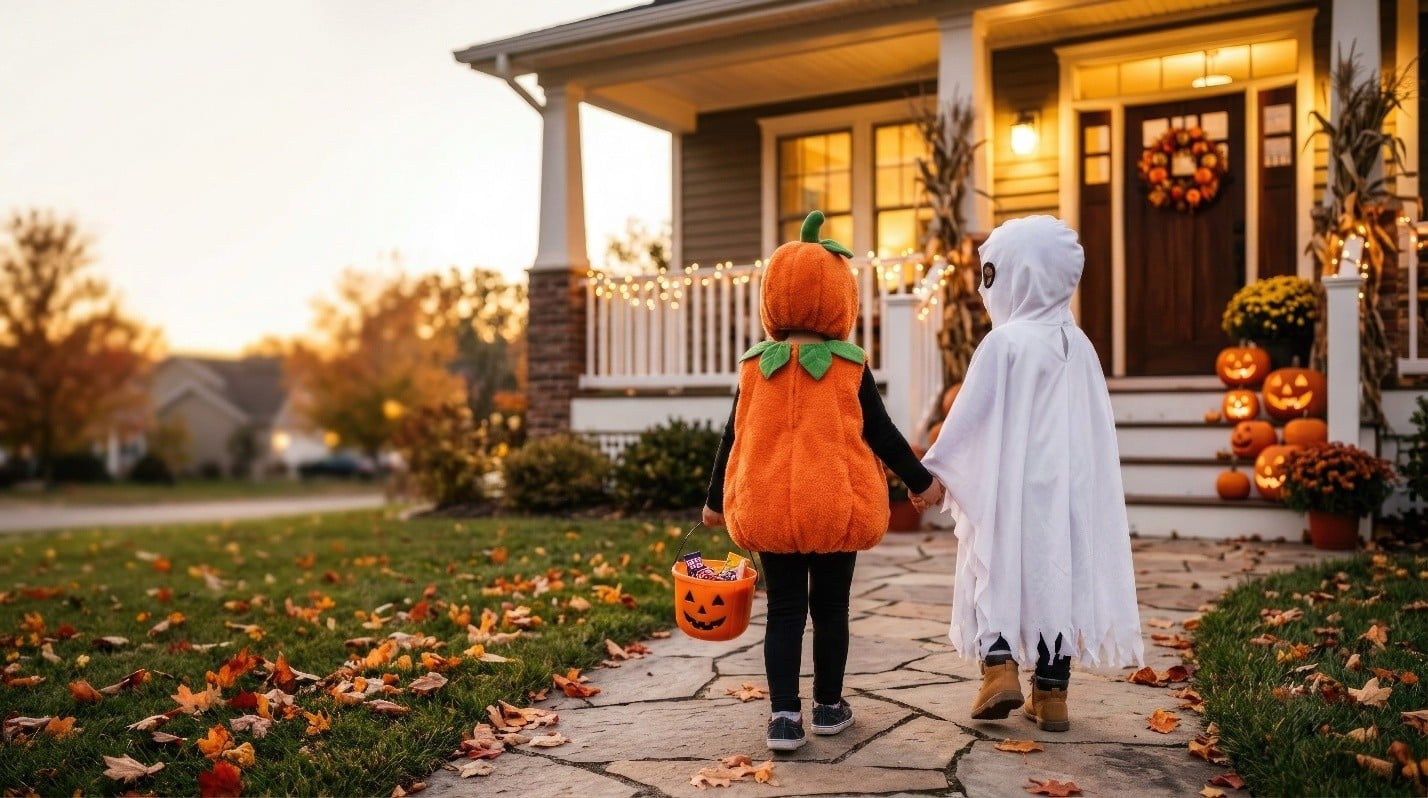
With Halloween approaching, neighborhoods throughout Lakeland will soon be filled with costumes, decorations, and families enjoying one of fall’s most anticipated traditions. For many residents, handing out candy is just as enjoyable as trick-or-treating itself, offering an opportunity to greet neighbors, admire creative costumes, and participate in a community celebration.
Preparing a home for Halloween visitors does not require elaborate decorations or expensive displays. A few thoughtful adjustments can make the experience more enjoyable for children, parents, and homeowners alike. From improving outdoor lighting and clearing walkways to accommodating children with different needs, creating a welcoming environment can help ensure that everyone feels included in the festivities.
Start With a Clear and Accessible Walkway
One of the simplest ways to prepare for trick-or-treaters is to take a walk around the front of the property before Halloween evening. Sidewalks, driveways, porch steps, and pathways should be easy to navigate, particularly when families are visiting after sunset. Everyday objects such as garden hoses, flowerpots, toys, and fallen branches can create obstacles when children are moving between homes. The National Safety Council recommends keeping walkways clear of potential tripping hazards and ensuring that outdoor areas are properly maintained for Halloween visitors.[1] Homeowners can also check for uneven surfaces, loose stepping stones, or other areas that may be difficult to see in low lighting.
For households with stairs leading to the front door, making sure handrails are secure and steps are unobstructed can help visitors approach comfortably. Residents who expect a large number of trick-or-treaters may also consider arranging decorations and candy stations to provide enough room for families to move without crowding. Accessibility is another important consideration. Whenever possible, homeowners can choose a candy distribution location that does not require children to climb stairs or navigate narrow pathways. Setting up a small table near the driveway or at the beginning of a walkway may make participation easier for children using wheelchairs, walkers, or other mobility aids.
Make Outdoor Lighting Part of the Halloween Experience
Lighting is an important part of Halloween decorating, but it also serves a practical purpose. Well-lit entrances help visitors identify walkways, see steps, and approach homes more comfortably. Homeowners can create a festive atmosphere while maintaining enough visibility for families to move around safely. The National Highway Traffic Safety Administration encourages increased visibility during Halloween activities, particularly because many trick-or-treaters are walking through neighborhoods after dark.[2] While this guidance primarily focuses on pedestrian safety, adequate lighting around residential entrances can also help visitors navigate unfamiliar properties.
Porch lights are especially useful because they traditionally signal that a household is participating in trick-or-treating. Residents can supplement existing fixtures with pathway lights, battery-operated lanterns, or other decorations that illuminate areas where visitors will be walking. Homeowners should avoid placing lights or electrical cords where children may trip over them. Outdoor decorations requiring electricity should be designed for exterior use, and cords should be positioned away from walkways and areas exposed to unnecessary foot traffic. For those who prefer a spooky atmosphere, lighting does not have to be overly bright. A combination of porch lighting and carefully placed decorative lights can create a welcoming Halloween display without making it difficult for visitors to see where they are going.
Keep Halloween Decorations Secure and Practical
Decorating is one of the most enjoyable parts of Halloween, and many Lakeland residents may already be displaying pumpkins, skeletons, inflatable characters, and other seasonal decorations. Before trick-or-treating begins, however, it is worth checking that everything is securely positioned and unlikely to interfere with visitors.
Lightweight decorations can shift during windy weather, while extension cords and inflatable displays may create obstacles if they are placed too close to walking areas. Homeowners should make sure larger decorations are properly anchored and that smaller items are positioned where they will not be accidentally knocked over.
The National Fire Protection Association recommends using battery-operated candles or glow sticks instead of open flames in Halloween decorations.[3] Flameless lighting can provide the familiar glow of a jack-o’-lantern without introducing an open flame near costumes, dry leaves, or decorative materials.
Residents using pumpkins or other decorations on porch steps should also consider whether they leave enough space for children and adults to walk comfortably. A decorated entrance can still look festive without filling every available surface.
Halloween displays can also be designed with younger visitors in mind. While some families enjoy elaborate haunted-house themes, decorations that suddenly move, produce loud noises, or flash intensely may be overwhelming for certain children. Providing a clear path around interactive decorations can help families decide how much of the display they want to experience.
Prepare Pets for a Busy Evening
Halloween can be exciting for people, but the frequent ringing of doorbells, unfamiliar costumes, and steady arrival of visitors may be confusing for household pets. Even friendly dogs and cats can react differently when their usual routines are interrupted.
The American Veterinary Medical Association recommends keeping pets in a secure, comfortable location during Halloween activities to prevent stress and accidental escapes.[4] A quiet room away from the front entrance can provide a familiar environment while allowing homeowners to distribute candy without worrying about pets approaching the door.
For dogs that become excited when visitors arrive, setting up a temporary barrier or using a separate entrance may help manage the evening. Homeowners should also make sure pets are wearing identification tags and that their microchip information is current. Halloween candy should remain out of pets’ reach, particularly products containing chocolate or xylitol, which can be harmful to dogs. Candy wrappers, small decorations, and costume accessories should also be kept away from curious animals. Residents who want their pets to participate in the festivities can still do so in ways that prioritize comfort. A simple seasonal bandana or a brief appearance with familiar visitors may be more enjoyable for some animals than spending the entire evening near a busy front door.
Make Trick-or-Treating Inclusive for Children of All Abilities
Halloween is a community tradition that should be enjoyable for as many children as possible. However, not every trick-or-treater experiences the holiday in the same way. Some children may have mobility challenges, sensory sensitivities, communication differences, or medical needs that influence how they participate. Homeowners can make their Halloween setup more welcoming by offering flexibility rather than expecting every visitor to approach the door or interact in a particular way. For example, a child may not be able to climb porch steps, may prefer not to speak, or may need additional time to select a treat. The organization Autism Speaks offers Halloween guidance for families of autistic children, including considerations related to sensory experiences, costumes, and communication.[5] These recommendations highlight the value of recognizing that children may participate in Halloween traditions differently.
Residents can support a more inclusive experience by avoiding assumptions about children’s ages, abilities, or behavior. A child who does not say “trick or treat” may still be excited to participate, and a teenager collecting candy may have developmental or other needs that are not immediately apparent. Offering treats at an accessible location, allowing children to take their time, and keeping interactions friendly can make a meaningful difference. Homeowners may also consider providing a quieter option away from loud decorations or music. The goal is not to create a complicated system for distributing candy. Small gestures of patience and understanding can help make Halloween a positive experience for children and families throughout the neighborhood.
Consider Offering Non-Food Treats
Candy is a central part of Halloween, but some children have food allergies, dietary restrictions, or medical conditions that limit the treats they can enjoy. Providing a small selection of non-food alternatives can help more children participate in the holiday.
The Food Allergy Research & Education organization promotes the Teal Pumpkin Project, an initiative encouraging households to offer non-food treats alongside traditional Halloween candy.[6] Displaying a teal pumpkin can indicate that non-food options are available.
These alternatives do not need to be expensive or elaborate. Stickers, pencils, temporary tattoos, small notebooks, and other inexpensive items can provide children with a fun choice that does not involve food. Homeowners who choose to offer both candy and non-food items should keep them in separate containers to reduce the possibility of contact with food allergens. Allowing children to select their preferred option can also make the experience more comfortable. Participation in the Teal Pumpkin Project is optional, but it provides a simple example of how Halloween traditions can evolve to include more families without changing the overall spirit of the celebration.
Plan for Tennessee’s Fall Weather
Late October weather in West Tennessee can be unpredictable. Halloween evening may bring comfortable temperatures, chilly breezes, or occasional rain, making it helpful for homeowners to prepare their outdoor spaces with changing conditions in mind. Residents should check the local forecast before setting up candy stations or decorations. If rain is expected, a covered porch or sheltered location may provide a more comfortable place to greet visitors. Outdoor extension cords and electrical decorations should also be protected and used according to manufacturer instructions.
Fallen leaves can add to the seasonal atmosphere, but wet leaves may become slippery on steps and walkways. Sweeping high-traffic areas before trick-or-treating begins can help keep entrances clear. Homeowners planning to sit outside for several hours may want to prepare warm clothing, a comfortable chair, and a flashlight. Keeping extra candy and supplies nearby can also reduce the need to repeatedly move between indoor and outdoor spaces.
Be a Welcoming Neighbor Throughout the Evening
Beyond decorations and practical preparations, one of the most important parts of creating a trick-or-treater-friendly home is maintaining a welcoming atmosphere. A friendly greeting, a little patience, and consideration for visiting families can help make Halloween enjoyable for everyone. Residents can make candy distribution easier by having treats ready before visitors arrive and keeping the entrance organized. For homes expecting larger groups, a clearly designated candy station can help prevent crowding around the front door.
It is also helpful to remember that children participate in Halloween in different ways. Some may be excited and talkative, while others may be shy or hesitant. Allowing children to enjoy the experience without pressure helps create a more relaxed environment. When a household is finished distributing candy, turning off the porch light is a commonly understood way to signal that trick-or-treating has ended at that home. This simple practice helps families identify which houses are still participating as the evening progresses.
A Little Preparation Can Make Halloween More Enjoyable
Halloween offers Lakeland residents an opportunity to connect with neighbors, enjoy seasonal traditions, and help create lasting memories for local families. Whether a home features elaborate decorations or simply a porch light and a bowl of candy, the experience can be meaningful for children visiting throughout the evening. Preparing for trick-or-treaters does not require major changes. Clearing walkways, checking outdoor lighting, securing decorations, keeping pets comfortable, and considering accessibility can all contribute to a smoother celebration.
As October 31 approaches, homeowners can take a few minutes to look at their properties from a visitor’s perspective. Thinking about how children and families will approach the home, move through the entrance, and receive their treats can reveal small improvements worth making. Ultimately, a trick-or-treater-friendly home is one where visitors feel comfortable, included, and welcome. With a little preparation and community spirit, Lakeland residents can help make Halloween a fun and memorable occasion for neighbors of all ages.
[1] National Safety Council. Halloween Safety Tips. https://www.nsc.org/community-safety/safety-topics/seasonal-safety/autumn-safety/halloween
[2] National Highway Traffic Safety Administration. Halloween Safety Tips. https://www.nhtsa.gov/halloween-safety-tips
[3] National Fire Protection Association. Halloween Fire Safety. https://www.nfpa.org/education-and-research/home-fire-safety/halloween
[4] American Veterinary Medical Association. Halloween Safety for Pets. https://www.avma.org/resources-tools/pet-owners/petcare/halloween-safety-pets
[5] Autism Speaks. Halloween Resources and Safety Tips. https://www.autismspeaks.org/
[6] Food Allergy Research & Education. Teal Pumpkin Project. https://www.foodallergy.org/our-initiatives/awareness-campaigns/teal-pumpkin-project