

As October progresses and cooler temperatures become more common across Tennessee, residents may notice changes in the insects around their homes, gardens, and neighborhoods. Mosquitoes that were abundant during summer evenings begin to disappear, butterflies become less common, and certain insects suddenly seem more interested in finding their way indoors. Although these changes may appear to happen overnight, they are part of a fascinating seasonal process that helps insects survive the transition from fall to winter.
For residents of Lakeland and the surrounding Shelby County area, autumn provides an opportunity to observe how the natural world responds to shorter days and falling temperatures. While some insects migrate to warmer regions, others enter dormant states, seek shelter, or complete their life cycles before winter arrives. Understanding these behaviors can help explain why insect activity changes so dramatically throughout the season and why some familiar backyard visitors seem to vanish until spring.
Why Cooler Temperatures Change Insect Behavior
Unlike mammals and birds, insects are ectothermic, meaning their body temperatures are largely influenced by the surrounding environment. As outdoor temperatures decline, many insects become less active because the chemical and physiological processes that support movement, feeding, and reproduction slow down. This is why insects that were highly active during Tennessee’s hot summer months may become sluggish or difficult to find as fall progresses.
However, temperature is not the only factor influencing insect behavior. Shorter daylight hours, changes in food availability, and seasonal shifts in moisture also help determine when insects begin preparing for winter. According to the University of Minnesota Extension, many insects survive cold weather by entering a state called diapause, during which development and metabolic activity are significantly reduced.[1] This adaptation allows certain species to conserve energy and survive periods when environmental conditions are unfavorable.
Not every insect responds to autumn in the same way. Some species remain active during mild weather, while others disappear from view long before the first freezing temperatures arrive. Tennessee’s relatively moderate fall climate can also produce periods of renewed insect activity when warm afternoons follow several cooler days.
Where Do Mosquitoes Go During the Fall?
Mosquitoes are among the most noticeable insects during Tennessee’s warmer months, particularly in areas with standing water, wooded surroundings, and shaded outdoor spaces. As temperatures begin dropping, mosquito activity generally decreases because cooler conditions slow their development and reduce their ability to fly and feed. However, mosquitoes do not necessarily disappear after the first chilly night. Different species use different strategies to survive winter. Some overwinter as eggs, while others remain in protected aquatic environments as larvae. Certain adult female mosquitoes can also survive colder months by sheltering in protected locations and becoming relatively inactive.
The Centers for Disease Control and Prevention explains that mosquitoes undergo four life stages: egg, larva, pupa, and adult, with the first three stages occurring in water.[2] Because water plays such an important role in their development, eliminating unnecessary standing water remains a useful household practice even as mosquito activity begins to decline. For Lakeland homeowners, this can mean emptying unused flowerpots, buckets, clogged gutters, and other containers that collect rainwater. Although mosquito populations generally decrease as winter approaches, Tennessee’s occasional warm fall days may still provide opportunities for some species to remain active.
Why Some Butterflies Leave Tennessee for the Winter
Butterflies respond to seasonal changes in several ways, depending on their species. Some spend winter in protected locations as eggs, caterpillars, or pupae, while others survive as adults. A few species undertake remarkable migrations to regions with more favorable winter conditions. One of the best-known examples is the monarch butterfly. Monarchs found in eastern North America, including Tennessee, generally migrate south toward overwintering sites in central Mexico. Unlike many other butterflies, the migrating generation of monarchs can travel long distances and survive for months while delaying reproduction.
The U.S. Fish and Wildlife Service explains that monarch migration is closely connected to seasonal changes in temperature, daylight, and food availability.[3] During their southward journey, monarchs depend on nectar-producing flowers to obtain the energy needed for migration. For Tennessee residents, fall can be an interesting time to watch for migrating monarchs visiting late-blooming flowers. Goldenrod, asters, and other autumn flowers provide nectar for butterflies and additional pollinating insects. Maintaining flowering plants into the fall can help support these seasonal visitors as they move through the region.
What Happens to Bees When Winter Approaches?
Bees are another group of insects that respond to falling temperatures in different ways. Honeybees, bumblebees, and solitary native bees have distinct life cycles and survival strategies, meaning their winter preparations can look very different. Honeybee colonies generally remain together throughout winter. As temperatures decline, worker bees gather into a cluster around the queen, generating warmth through muscle activity and relying on stored honey for energy. The bees adjust the cluster as conditions change, allowing the colony to survive periods when flying and foraging are limited. Bumblebee colonies follow a different pattern. In many species, most members of the colony die as winter approaches, while newly mated queens seek protected locations where they can remain dormant until spring. These queens later emerge to establish new colonies when temperatures become favorable.
The Xerces Society for Invertebrate Conservation explains that many native bees overwinter in soil, hollow stems, or other protected nesting locations.[4] This is one reason gardeners are often encouraged to leave some natural materials undisturbed during fall and winter. For Lakeland residents, maintaining small areas of natural habitat can benefit native pollinators. Leaving suitable plant stems standing, avoiding unnecessary soil disturbance, and allowing some leaves to remain in garden beds can provide shelter for insects that will become active again the following spring.
How Ants Prepare for Colder Weather
Ants are familiar visitors to Tennessee yards, gardens, and occasionally kitchens. During warmer months, colonies remain busy gathering food, maintaining nests, and caring for developing young. As temperatures begin to fall, however, their activity often slows considerably. Many ant species survive winter by moving deeper into their nests, where soil temperatures remain more stable than those at the surface. Colony members become less active and rely on stored energy until conditions improve. Depending on the species and local temperatures, ants may remain relatively inactive for extended periods.
The University of Kentucky Entomology Department notes that ants can enter homes while searching for food, moisture, or suitable nesting conditions.[5] Although indoor ant activity can occur throughout the year, seasonal weather changes may influence when homeowners notice them. Residents who encounter ants indoors during fall can begin by identifying possible entry points and removing accessible food sources. Keeping counters clean, storing food in sealed containers, and repairing gaps around doors or windows may help discourage unwanted visitors.
Why Some Insects Suddenly Appear Inside Homes
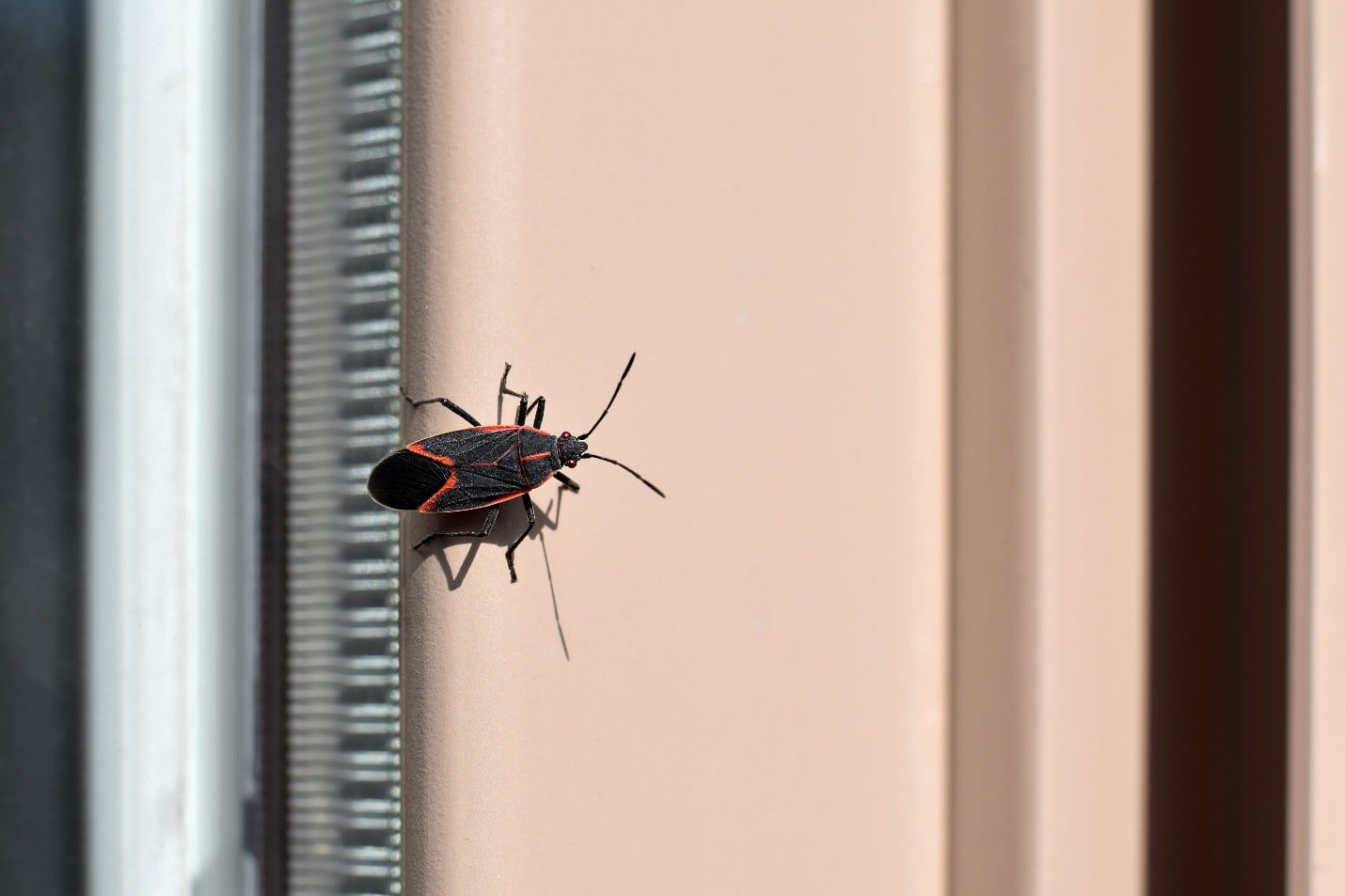
One of the more noticeable changes during autumn is the appearance of certain insects around windows, doors, siding, and other parts of residential buildings. Insects that were rarely seen indoors during summer may suddenly gather on exterior walls or find their way into living spaces. This behavior is often connected to overwintering. Some insects seek protected locations where they can survive cold weather without being exposed to freezing temperatures, wind, or precipitation. Houses can provide attractive shelter because small openings around siding, vents, windows, and foundations may lead to relatively protected spaces.
Common fall visitors include multicolored Asian lady beetles, boxelder bugs, and brown marmorated stink bugs. These insects may gather on sunny exterior walls during warm autumn afternoons before moving into cracks and crevices as temperatures decline. According to Penn State Extension, brown marmorated stink bugs frequently seek shelter inside buildings during fall, where they can remain inactive throughout winter.[6] Their presence is generally more of a nuisance than a serious household threat, although large numbers can become frustrating for homeowners. Rather than immediately relying on insecticides, residents can focus on prevention. Sealing openings, repairing damaged screens, and checking weather stripping can help reduce the number of insects entering homes. Insects already indoors can often be removed using a vacuum or other simple methods.
Where Do Fireflies, Grasshoppers, and Other Insects Go?
Many insects that are common during Tennessee summers become far less noticeable by late October. Fireflies, for example, are closely associated with warm evenings, but their adult stage is relatively brief. After mating and laying eggs, adults generally die, while immature fireflies continue developing in soil, leaf litter, or other protected environments. Grasshoppers often follow a different seasonal pattern. Many species spend winter as eggs deposited in the soil, with young grasshoppers emerging when temperatures rise in spring. The adults that were active throughout summer and early fall typically do not survive prolonged freezing conditions.
Other insects, including certain beetles, moths, and flies, may overwinter in different developmental stages depending on their species. Some remain hidden as larvae, while others survive as pupae or adults in sheltered locations. The National Park Service explains that leaf litter provides important habitat for a variety of insects and other small organisms.[7] Fallen leaves can protect developing insects from temperature extremes while also supporting the broader food web. For homeowners, this means that a completely cleared yard is not always necessary for maintaining an attractive landscape. Allowing leaves to remain in selected garden beds or natural areas can support beneficial insects while keeping walkways, drainage areas, and frequently used lawn spaces clear.
Why Warm Fall Days Can Bring Insects Back
Tennessee’s fall weather can be unpredictable, with chilly mornings sometimes followed by surprisingly warm afternoons. These temperature fluctuations can create noticeable changes in insect activity, particularly during October and early November. Insects that become sluggish during cooler conditions may resume flying, feeding, or moving around when temperatures temporarily increase. Butterflies may return to flowering plants, mosquitoes may become active near standing water, and insects sheltering around buildings may emerge on sunny afternoons.
This does not necessarily mean that insect populations are increasing again. In many cases, warmer weather simply allows insects that were already present to become more active and visible. As the season progresses and colder conditions become more consistent, insect activity generally continues to decline. The exact timing varies depending on the species, local weather patterns, and the availability of suitable shelter.
Understanding the Seasonal Changes Around Us
Although insects may seem to disappear as winter approaches, many remain present in less visible forms. Eggs hidden in soil, larvae beneath fallen leaves, dormant queens underground, and adults sheltering in protected spaces all represent different strategies for surviving seasonal changes. These adaptations are important because insects support numerous ecological processes. They pollinate flowering plants, help break down organic material, provide food for birds and other wildlife, and contribute to the balance of natural ecosystems.
For Lakeland residents, observing these seasonal patterns can provide a new perspective on familiar backyard wildlife. A butterfly visiting a late-blooming flower, a cluster of lady beetles near a window, or an unusually quiet evening without mosquitoes can all reflect the natural transition from summer to winter. As cooler weather settles across West Tennessee, the insects that were active throughout the warmer months are not necessarily gone. Many are simply waiting for the right conditions to return, continuing life cycles that have allowed them to survive changing seasons for generations.
[1] University of Minnesota Extension. How Insects Survive Winter. https://extension.umn.edu/yard-and-garden-insects/how-insects-survive-winter
[2] Centers for Disease Control and Prevention. Mosquito Life Cycle. https://www.cdc.gov/mosquitoes/about/life-cycle-of-a-mosquito.html
[3] U.S. Fish and Wildlife Service. Monarch Butterfly. https://www.fws.gov/species/monarch-danaus-plexippus
[4] Xerces Society for Invertebrate Conservation. Leave the Leaves: Winter Habitat Protection. https://xerces.org/leave-the-leaves
[5] University of Kentucky Department of Entomology. Ant Control for Householders. https://entomology.ca.uky.edu/ef619
[6] Penn State Extension. Brown Marmorated Stink Bug. https://extension.psu.edu/brown-marmorated-stink-bug
[7] National Park Service. Insects, Spiders, and Other Invertebrates. https://www.nps.gov/subjects/insects/index.htm