
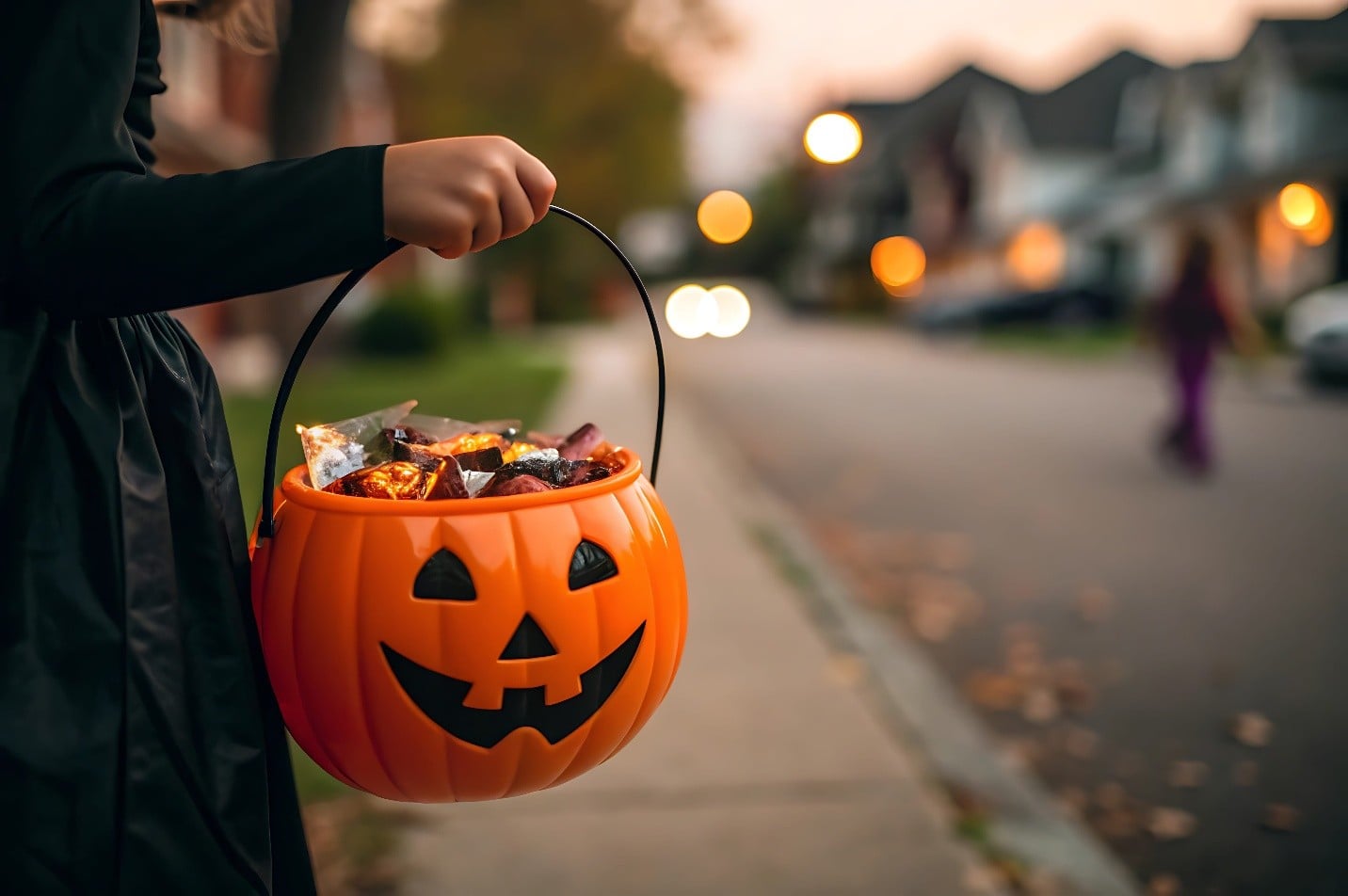
Halloween is just around the corner, and families throughout Lakeland are preparing for an evening of costumes, candy, and neighborhood fun. For many children, trick-or-treating is one of the most anticipated activities of the fall season, offering an opportunity to dress up, spend time with friends, and enjoy a familiar holiday tradition.
As October 31 approaches, a little preparation can help make the evening enjoyable for everyone. From choosing comfortable costumes to reviewing basic pedestrian safety, parents and caregivers can take a few simple steps to help children navigate their neighborhoods confidently. Halloween safety does not have to mean limiting the fun. Instead, thoughtful planning can help families focus on making memories while keeping everyone comfortable and visible throughout the evening.
Choose Costumes That Are Comfortable and Easy to See
Costumes are often the highlight of Halloween, but parents should consider more than appearance when helping children choose what to wear. A costume that fits properly and allows children to move freely can make walking between houses much easier. Outfits that drag along the ground may create tripping hazards, particularly when children are climbing steps or walking along uneven sidewalks.
Visibility is another important consideration, especially for families planning to trick-or-treat after sunset. Dark costumes can be more difficult for motorists to see, making reflective accessories a useful addition. The National Highway Traffic Safety Administration recommends incorporating reflective materials into costumes and carrying flashlights or glow sticks to help increase visibility.[1]
Parents can attach reflective tape to shoes, treat bags, or costume accessories without changing the overall appearance of an outfit. Comfortable walking shoes are also worth considering, even when they are not part of the original costume design. Children who can walk comfortably are more likely to enjoy the evening without becoming tired or distracted by uncomfortable clothing.
Review Pedestrian Safety Before Heading Out
Halloween brings additional foot traffic to residential neighborhoods, making pedestrian awareness particularly important. Children may be excited to visit the next house or catch up with friends, so reviewing a few basic rules before leaving home can help establish expectations for the evening.
The Centers for Disease Control and Prevention encourages pedestrians to use sidewalks whenever possible, cross streets at designated crossings, and remain attentive to surrounding traffic.[2] These recommendations are useful throughout the year but become especially relevant when children are walking through neighborhoods after dark.
Parents should remind children to look left, right, and left again before crossing a street, even when using a crosswalk. It is also important to avoid crossing between parked vehicles, where approaching drivers may have difficulty seeing pedestrians.
In neighborhoods without sidewalks, families should walk facing oncoming traffic and remain as far from moving vehicles as practical. Adults can also encourage children to walk rather than run between houses, particularly near driveways and intersections.
Make a Plan for Trick-or-Treating as a Group
One of the easiest ways to keep Halloween organized is to establish a plan before leaving home. Families can decide which neighborhoods they want to visit, approximately how long they plan to stay out, and where everyone should meet if the group becomes separated.
Younger children should generally trick-or-treat with a parent or another responsible adult. Older children who are ready to participate with friends can benefit from clear expectations about staying together, remaining within agreed-upon areas, and checking in at designated times.
The American Academy of Pediatrics recommends that children travel in groups and that parents discuss safety expectations before Halloween activities begin.[3] Establishing these guidelines ahead of time allows children to understand the plan without interrupting the excitement of the evening.
Parents may also want to choose a familiar route that includes well-lit streets and neighborhoods they know. For families with younger children, starting earlier in the evening can make the experience more manageable and allow everyone to return home before becoming overly tired.
Help Children Navigate Neighborhoods After Dark
With sunset arriving earlier during the fall, many families will spend at least part of Halloween evening walking after dark. Carrying a flashlight can help children see sidewalks, steps, and uneven surfaces while also making their presence more noticeable to others.
Parents should encourage children to remain on established walkways rather than cutting across lawns, landscaping, or unfamiliar areas. This helps prevent accidental falls while respecting neighboring properties.
The National Safety Council recommends that trick-or-treaters use sidewalks, stay in familiar areas, and remain alert when walking near traffic.[4] Families can also avoid distractions such as looking at phones while crossing streets or approaching intersections.
Another helpful practice is to approach homes with illuminated porch lights or other clear signs that residents are welcoming trick-or-treaters. Not every household participates in Halloween, and teaching children to respect those boundaries is part of being a considerate neighbor.
For residents distributing candy, keeping outdoor lights on and walkways clear can make the experience more welcoming for visitors. Removing loose decorations, garden hoses, and other obstacles from paths can also help families move safely between homes.
Check Halloween Treats Before Children Dig In
For many children, collecting candy is the most exciting part of Halloween. Once families return home, taking a few minutes to look through the treats together can become a simple part of the holiday routine.
Parents should check candy packaging for signs of damage or openings and set aside anything that appears unusual. The U.S. Food and Drug Administration recommends that children wait until they return home before eating collected treats so an adult can examine them first.[5]
Food allergies are another consideration. Parents of children with allergies should review ingredient labels carefully, particularly on unfamiliar candies or products without clear packaging. Families may also want to separate treats containing common allergens from those their children can safely enjoy.
For younger children, age-appropriate treats are especially important. Hard candies, gum, and certain small or sticky foods can present choking hazards for young children. Parents can help by selecting suitable treats and supervising snack time.
These precautions do not need to take away from the excitement of Halloween. Sorting candy together can even become a fun family activity, giving children an opportunity to compare their favorites and decide which treats they want to save for later.
Prepare for Tennessee’s Unpredictable Fall Weather
Late October weather in West Tennessee can vary considerably from year to year. Some Halloween evenings are mild and comfortable, while others bring cooler temperatures, wind, or rain.
Checking the forecast before leaving home can help families choose appropriate clothing and plan their evening. Lightweight layers can be particularly useful because they allow children to stay comfortable without significantly changing their costumes.
Parents may also want to bring a small bag containing water, tissues, and an extra layer of clothing. Families planning to walk longer routes should consider taking occasional breaks, particularly when younger children are participating.
If rain is expected, waterproof shoes and weather-appropriate outerwear can make trick-or-treating more enjoyable. Families should also be mindful of wet leaves, slick steps, and other surfaces that may become slippery.
A little flexibility can go a long way. Shortening a route or returning home earlier than planned is perfectly reasonable if children become tired or the weather becomes uncomfortable.
Encourage Respectful and Neighborly Halloween Traditions
Halloween is also an opportunity to reinforce good manners and community spirit. Encouraging children to say thank you, respect decorations and landscaping, and be considerate of other trick-or-treaters helps create a positive experience for everyone.
Families should remind children that not every household participates in Halloween. Homes without porch lights or visible decorations may not be welcoming visitors, and those preferences should be respected.
Parents can also encourage children to be patient when approaching crowded doorways and to give younger trick-or-treaters enough room to participate comfortably. Simple gestures, such as allowing smaller children to go first or helping someone who drops a treat bag, can make the evening more enjoyable.
For Lakeland residents handing out candy, offering individually wrapped treats and maintaining a clear, well-lit entrance can help visitors feel welcome. Neighbors who prefer not to distribute candy can still enjoy the holiday by decorating their homes or participating in other seasonal activities.
Make Halloween About Fun, Family, and Community
Halloween provides an opportunity for Lakeland families to enjoy their neighborhoods in a different way. Familiar streets become filled with costumes, decorated homes, and neighbors greeting one another, creating an atmosphere that many children look forward to each year.
While safety is an important part of planning, it does not have to overshadow the celebration. Comfortable costumes, visible accessories, familiar routes, and a few simple household rules can help families enjoy the evening with greater peace of mind.
As October 31 approaches, parents can take a few minutes to review their plans, check the weather, and talk with children about what to expect. These small preparations can help keep the focus where it belongs: enjoying Halloween traditions, spending time together, and making happy memories in the Lakeland community.
[1] National Highway Traffic Safety Administration. Halloween Safety Tips. https://www.nhtsa.gov/halloween-safety-tips
[2] Centers for Disease Control and Prevention. Pedestrian Safety. https://www.cdc.gov/pedestrian-bike-safety/about/pedestrian-safety.html
[3] American Academy of Pediatrics, HealthyChildren.org. Halloween Safety Tips. https://www.healthychildren.org/English/safety-prevention/at-play/Pages/Halloween-Safety-Tips.aspx
[4] National Safety Council. Halloween Safety Tips. https://www.nsc.org/community-safety/safety-topics/seasonal-safety/autumn-safety/halloween
[5] U.S. Food and Drug Administration. Halloween Food Safety Tips for Parents. https://www.fda.gov/food/buy-store-serve-safe-food/halloween-food-safety-tips-parents