

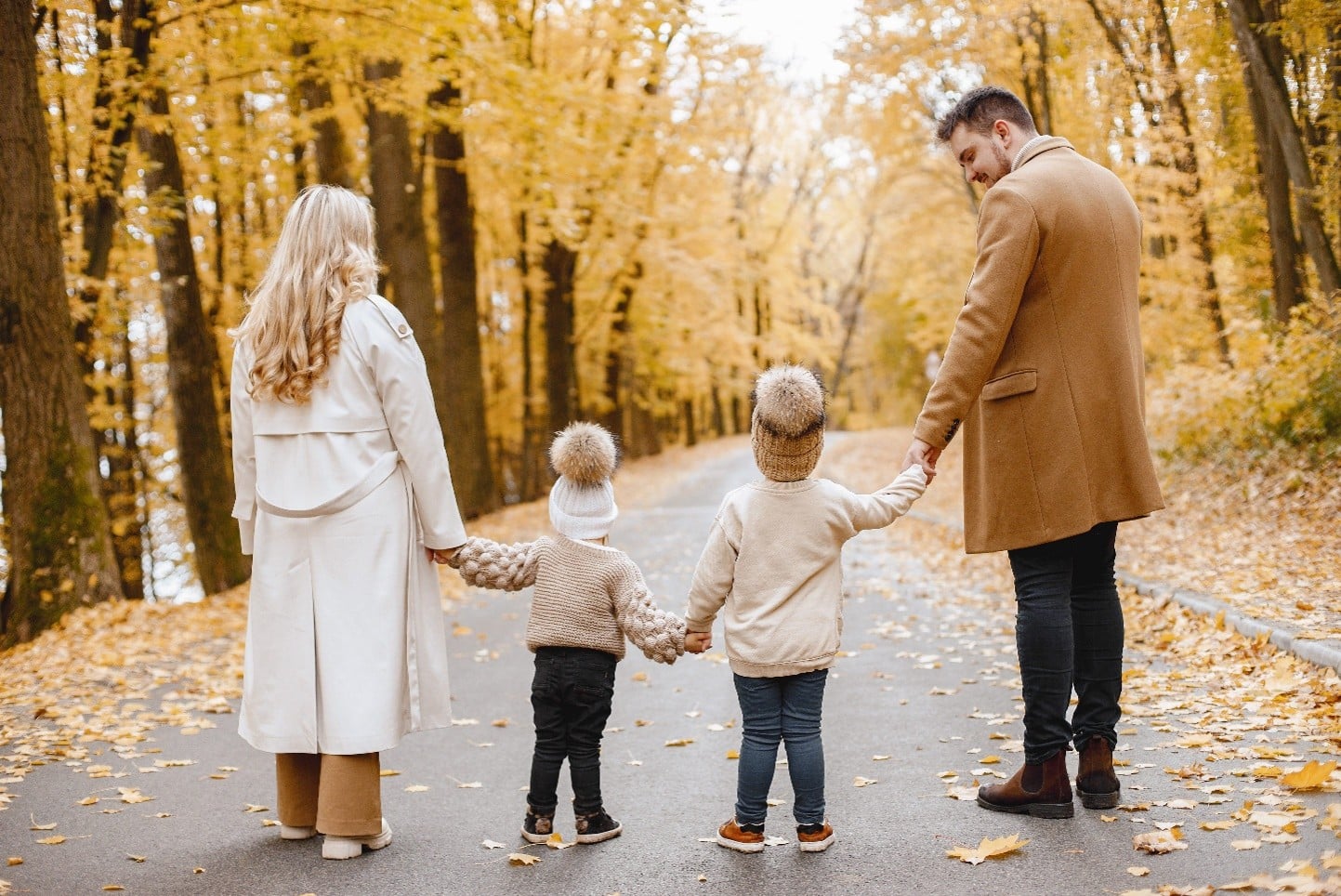
As October progresses, Tennessee’s landscapes begin taking on the familiar colors of autumn. Trees gradually shift from green to shades of yellow, orange, and red, while fallen leaves, golden afternoon sunlight, and cooler temperatures create opportunities for seasonal photography. Whether capturing a colorful tree in the backyard or taking family pictures at a local park, fall offers plenty of inspiration for anyone interested in photography.
For residents of Lakeland and the surrounding Shelby County area, enjoying autumn photography does not require expensive cameras, professional equipment, or extensive experience. Modern smartphones are capable of producing impressive photographs, and understanding a few basic techniques can help beginners make the most of the season. From choosing the right time of day to experimenting with different perspectives, simple adjustments can turn everyday fall scenes into memorable photographs.
Take Advantage of Fall’s Natural Lighting
Lighting is one of the most important elements of photography, and autumn offers several opportunities to experiment with natural light. As the days become shorter, the sun follows a lower path across the sky, creating lighting conditions that can give outdoor photographs a warm, inviting appearance. The combination of changing foliage and softer sunlight can make even familiar landscapes look noticeably different.
One of the best times to photograph fall scenery is during the golden hour, the period shortly after sunrise or before sunset. During these times, sunlight travels through more of Earth’s atmosphere and often appears warmer and less harsh than midday light. Adobe explains that golden-hour lighting can create soft shadows and warm tones that are particularly appealing for outdoor photography.[1]
For beginners, taking pictures during the early morning or late afternoon can make a noticeable difference without requiring any changes to camera settings. Sunlight filtering through colorful leaves can create interesting patterns, while long shadows add depth to photographs of walking trails, parks, and wooded areas. Cloudy days can also provide excellent photography conditions. Overcast skies create more even lighting, reducing harsh shadows and allowing the colors of leaves and other natural features to stand out. Rather than waiting exclusively for sunny weather, photographers can use different conditions to capture a variety of autumn scenes.
Photograph Fall Foliage From Different Perspectives
Colorful foliage is one of the most recognizable features of autumn photography. Tennessee’s mixture of hardwood trees creates opportunities to capture yellow, orange, red, and brown leaves throughout the season. While photographing an entire tree can produce a beautiful image, focusing on smaller details can be equally interesting.
The Tennessee Department of Tourist Development highlights the state’s changing fall foliage as a popular seasonal attraction, with colors typically developing earlier in higher elevations before progressing into lower areas.[2] In West Tennessee, the timing and intensity of fall colors vary depending on weather conditions, tree species, and local environmental factors.
Photographers can experiment with different perspectives to make foliage pictures more interesting. Standing beneath a tree and pointing the camera upward can emphasize colorful leaves against the sky, while photographing a single leaf can reveal intricate veins, textures, and color variations. Another technique involves looking for contrasting colors. Bright yellow leaves against a dark tree trunk, orange foliage beside evergreen plants, or fallen leaves scattered across green grass can create visually appealing compositions. Beginners should also pay attention to what appears behind the main subject. A colorful branch may be more noticeable when photographed against a simple background rather than a busy scene filled with competing objects.
Use Simple Composition Techniques to Improve Photos
Composition refers to how objects are arranged within a photograph. Even with good lighting and beautiful scenery, the placement of a subject can influence how engaging the final image appears. Fortunately, several beginner-friendly techniques can help improve composition without requiring specialized equipment. One commonly used technique is the rule of thirds. This involves imagining a photograph divided into nine equal sections by two horizontal and two vertical lines. Placing important subjects along these lines or near their intersections can create a balanced composition. Nikon explains that the rule of thirds is a useful starting point for photographers learning to arrange subjects within a frame.[3]
Many smartphones allow users to enable gridlines in their camera settings, making it easier to experiment with this technique. For example, a photographer capturing a tree-lined walking path might position the horizon along the upper third of the image rather than directly in the center. Leading lines are another helpful composition tool. Sidewalks, fences, trails, and rows of trees can naturally guide the viewer’s attention through a photograph. In Lakeland, neighborhood walking paths and wooded areas may provide opportunities to practice this approach. Photographers can also experiment with framing. Tree branches, archways, or other natural features can surround a subject and draw attention toward the center of an image. These techniques are flexible guidelines rather than strict rules, and experimenting with different arrangements is part of developing a personal photography style.
Capture Memorable Outdoor Family Portraits
Fall is a popular season for family photography because of its comfortable temperatures, colorful scenery, and opportunities for outdoor activities. Families do not need to schedule a professional photography session to capture meaningful seasonal portraits. A smartphone, a suitable location, and a little patience can produce photographs worth keeping. Choosing a location with natural backgrounds can help create a relaxed atmosphere. Parks, wooded trails, open grassy areas, and backyards with mature trees can all provide attractive settings. Rather than searching for the most elaborate scenery, families may find that familiar places offer the most comfortable environment for children and pets.
Lighting is especially important when photographing people outdoors. Direct midday sunlight can create strong shadows across faces and cause subjects to squint. Photographing in open shade or during the golden hour can produce more flattering results. Families can also experiment with candid photography instead of relying entirely on posed pictures. Children walking through fallen leaves, parents holding hands, or family members laughing together can create natural images that reflect the experience of spending time outdoors. Clothing choices can influence the overall appearance of fall portraits. Neutral colors, earth tones, and simple patterns often complement autumn scenery without distracting from the people being photographed. However, comfort should remain the priority, particularly when families plan to walk or spend extended periods outside.
Make the Most of Smartphone Camera Features
Modern smartphones offer several features that can help beginners capture better photographs without investing in additional equipment. Understanding how to use these tools can make outdoor photography easier and more enjoyable. One of the simplest techniques is tapping the screen to select a focal point before taking a picture. This helps the camera prioritize the intended subject rather than automatically focusing on another part of the scene. On many smartphones, users can also adjust brightness by sliding a finger up or down after selecting the focus point. Apple’s iPhone photography guidance explains how users can adjust focus and exposure to improve photographs in different lighting conditions.[4] Although camera controls vary by manufacturer and model, similar features are available on many Android devices.
Portrait mode can be particularly useful for family pictures or close-up photographs of fall decorations. This feature creates a blurred-background effect that helps separate the subject from surrounding scenery. However, results can vary depending on lighting, distance, and the smartphone’s capabilities. Another useful practice is cleaning the camera lens before taking pictures. Fingerprints and dust can make images appear hazy or reduce clarity, especially when photographing toward sunlight. A quick wipe with a clean microfiber cloth can often improve image quality. Beginners should also avoid relying too heavily on digital zoom. Moving physically closer to a subject, when safe and practical, often produces clearer photographs than enlarging the image through the camera’s zoom controls.
Look Beyond Colorful Trees for Seasonal Details
Although fall foliage receives much of the attention during autumn, Tennessee’s seasonal scenery includes many other subjects worth photographing. Pumpkins, decorative wreaths, fallen leaves, migrating birds, and changing garden landscapes can all provide interesting opportunities. Close-up photography is a useful way to highlight smaller details that might otherwise go unnoticed. A single leaf resting on a wooden bench, raindrops on a pumpkin, or sunlight illuminating ornamental grasses can create visually appealing images.
The National Park Service encourages visitors to explore photography as a way to observe natural landscapes and appreciate details in the environment.[5] Looking closely at familiar surroundings can reveal patterns, textures, and seasonal changes that are easy to overlook during everyday activities. Photographers can also experiment with capturing movement. Leaves blowing across a sidewalk, water flowing through a creek, or children playing outdoors can add energy to seasonal photographs. For those interested in wildlife photography, patience is important. Birds, squirrels, and other animals may be active during autumn as they search for food or prepare for colder weather. Observing wildlife from a respectful distance allows photographers to capture natural behavior without disturbing the animals.
Explore Local Parks and Natural Areas
Residents do not have to travel far to find interesting fall photography locations. Lakeland and nearby communities offer parks, wooded areas, lakes, and walking paths that can provide seasonal scenery throughout October and November. Lakeland’s International Harvester Managerial Park, for example, offers outdoor recreational space where visitors can enjoy natural surroundings. Other local parks and neighborhood green spaces may provide opportunities to photograph mature trees, open landscapes, and seasonal changes.
Nearby Shelby Farms Park also offers a variety of landscapes, including lakes, trails, and wooded areas. Its combination of open spaces and natural scenery can provide opportunities for both landscape photography and outdoor family portraits.[6]
When photographing in public parks, residents should remain on designated trails, follow posted rules, and respect other visitors. Avoiding damage to plants or natural features helps preserve these spaces for everyone. For beginners, returning to the same location throughout the season can be especially rewarding. Photographing a familiar tree or landscape every week can reveal how quickly autumn colors change and provide a visual record of the seasonal transition.
Use Simple Editing Tools to Enhance Fall Photos
Taking a photograph is only part of the creative process. Basic editing can help improve brightness, contrast, and color while preserving the natural appearance of the scene.
Most smartphones include built-in editing tools that allow users to adjust exposure, shadows, highlights, and color saturation. These controls can be particularly helpful when photographs appear too dark or when bright skies cause details in the foreground to become less visible.
Beginners may want to start with small adjustments rather than applying dramatic filters. Increasing brightness slightly, correcting an uneven horizon, or cropping distracting objects from the edges of a photograph can often make a meaningful difference.
Color adjustments should also be used thoughtfully. Although increasing saturation can make autumn leaves appear more vibrant, excessive editing may create unrealistic colors. Maintaining a natural appearance can help photographs reflect the scenery as it was experienced. Saving the original image before making significant changes is another useful habit. This allows photographers to experiment with different editing styles without permanently losing the initial photograph.
Enjoy the Experience, Not Just the Photograph
One of the most enjoyable aspects of fall photography is that it encourages people to slow down and pay attention to their surroundings. A short walk through a neighborhood, an afternoon at a park, or a family outing can become an opportunity to notice details that might otherwise be overlooked. For beginners, photography does not need to involve complicated camera settings or perfectly composed images. Experimenting with different lighting conditions, perspectives, and subjects can gradually build confidence while making outdoor activities more engaging.
Families can also turn photography into a seasonal activity by encouraging children to take pictures of their favorite leaves, decorations, or outdoor discoveries. Comparing photographs afterward can provide an opportunity to discuss colors, textures, and the changes taking place in nature. As fall continues across Lakeland and West Tennessee, residents have plenty of opportunities to capture the season’s changing appearance. Whether using a smartphone to photograph colorful foliage or gathering the family for an outdoor portrait, the most meaningful images are often those connected to everyday experiences. With a little creativity and a willingness to experiment, anyone can document Tennessee’s autumn scenery and preserve memories of one of the year’s most visually distinctive seasons.
[1] Adobe. Golden Hour Photography: A Guide to the Magic Hour. https://www.adobe.com/creativecloud/photography/discover/golden-hour.html
[2] Tennessee Department of Tourist Development. Tennessee Vacation. https://www.tnvacation.com/
[3] Nikon. Photography Articles and Techniques. https://www.nikonusa.com/learn-and-explore
[4] Apple Support. Set Up Your Shot With iPhone Camera Tools. https://support.apple.com/guide/iphone/set-up-your-shot-iph3dc593597/ios
[5] National Park Service. Photography. https://www.nps.gov/subjects/photography/index.htm
[6] Shelby Farms Park Conservancy. Shelby Farms Park. https://www.shelbyfarmspark.org/