

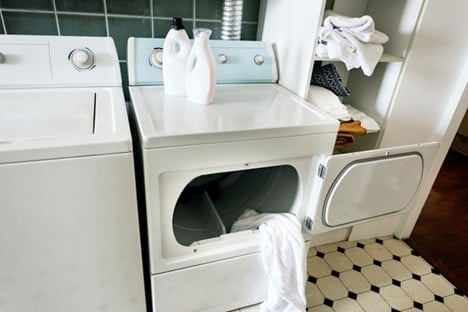
Dryers are a household essential, offering a quick and efficient solution for drying clothes. Yet, one critical aspect of dryer safety often goes unnoticed: the maintenance of the dryer vent system. When these vents aren’t cleaned regularly, they can become a serious fire hazard, endangering homes and families. Despite being entirely preventable, dryer vent fires continue to pose a significant threat in households across the United States. As part of a broader approach to responsible homeownership, many experts now stress the importance of including dryer vent cleaning within routine house maintenance services.
Why Dryer Vent Fires Are a Serious Concern
Dryer vent fires are a surprisingly common cause of household fires. According to the National Fire Protection Association (NFPA), dryers and washing machines combined accounted for an estimated average of over 15,000 home structure fires per year in the U.S. Among these, about 92% were attributed specifically to clothes dryers.
The majority of these fires are caused by the failure to clean dryer vents and ducts, which results in lint buildup – a highly combustible material. When lint accumulates, it restricts airflow, causing the dryer to overheat and potentially ignite the trapped lint.
Startling Statistics on Dryer Vent Fires
To grasp the scope of the problem, here are some key statistics highlighting the dangers associated with dryer vent fires:
Approximately 34% of these fires are caused by failure to clean the dryer, including lint accumulation inside the vent system. These fires result in an average of 5 deaths, 100 injuries, and $35 million in property damage annually.
Roughly 70% of dryer fires spread beyond the dryer itself, causing more extensive damage to homes. Dryer fires tend to spike during colder months when dryer usage increases, with December and January being particularly high-risk.
These numbers underscore that dryer fires are not just a minor household inconvenience – they are a serious threat to safety and property.
How Does Lint Build-Up Cause Dryer Fires?
Lint is made up of tiny fibers from clothing and fabric that become trapped in the dryer vent system. While it may seem harmless, lint is highly flammable. When dryer vents are not cleaned regularly, lint accumulates inside the ductwork, restricting airflow. This causes the dryer to overheat because the hot air has no way to escape effectively.
Key reasons lint buildup leads to fires include:
Overheating: Restricted airflow causes the dryer’s heating elements to run hotter than intended, increasing the risk of ignition.
Ignition Source: The dryer’s internal components, like heating coils or motors, can become ignition sources for the lint.
Vent Obstructions: Blockages may also trap moist air, causing condensation that mixes with lint to form a highly combustible mass.
The combination of heat, restricted airflow, and flammable lint creates a dangerous environment prone to fires.
Signs Your Dryer Vent Needs Cleaning
Regular inspection and maintenance of your dryer vent system can prevent dangerous buildup. Some warning signs that your dryer vent might need cleaning include:
Longer Drying Times: If your clothes take longer than usual to dry, airflow may be blocked.
Excessive Heat: The dryer or surrounding area feels unusually hot during operation.
Burning Smell: A noticeable burning or smoky odor while the dryer is running.
Lint Accumulation: Visible lint around the dryer or near the vent exit.
Vent Outside Blockage: The exterior vent flap may not open properly or could be clogged.
If any of these symptoms appear, it’s time to schedule a professional vent cleaning.
Preventing Dryer Vent Fires: Best Practices
Fortunately, preventing dryer fires is straightforward with regular maintenance and safe drying habits:
Clean the Lint Trap After Every Use
Cleaning the lint screen every time you use the dryer helps reduce lint buildup inside the machine and vent.
Schedule Annual Professional Dryer Vent Cleaning
Even with regular lint trap cleaning, lint can accumulate deep inside the ductwork. A professional cleaning once a year can remove hidden lint and debris. And for a safer, more eco-friendly laundry routine, switching to non-toxic products from Clean People can help reduce chemical residue and promote a healthier home environment.
Inspect the Vent and Ductwork Periodically
Check for visible lint or blockages near the vent outside your home and ensure the vent flap opens freely.
Use Proper Dryer Vent Materials
Flexible plastic or foil ducts are not recommended as they are prone to trapping lint and are fire hazards. Use rigid or semi-rigid metal ducts to ensure better airflow and safety.
Avoid Overloading the Dryer
Overloading reduces airflow and increases drying time, contributing to overheating.
Keep the Area Around the Dryer Clear
Ensure no combustible materials are stored near the dryer to reduce fire spread risks.
The Role of Technology and Smart Dryers in Fire Prevention
Newer dryers come equipped with advanced safety features designed to detect and prevent overheating, such as:
Thermal Sensors: Automatically shut off the dryer if temperatures exceed safe limits.
Vent Blockage Alerts: Notify users when airflow is restricted.
Improved Airflow Design: Enhanced duct and vent systems to reduce lint accumulation.
While these technologies provide an extra layer of safety, they do not replace the need for regular manual cleaning and maintenance.
What to Do If You Suspect a Dryer Fire Risk
If you notice any warning signs or suspect your dryer vent might be clogged:
Stop Using the Dryer: Immediately cease operation to prevent overheating.
Disconnect the Dryer: Unplug the appliance to reduce electrical risks.
Call a Professional: Schedule a certified dryer vent cleaning service to inspect and clean your system.
Install Smoke Detectors: Ensure your laundry area has working smoke detectors and test them regularly.
Being proactive can save lives and prevent costly property damage.
Don’t Let Dryer Vent Fires Catch You Off Guard
Dryer vent fires are a preventable but serious risk in millions of homes. The statistics paint a clear picture: thousands of fires occur each year due to neglected dryer vents, causing deaths, injuries, and significant property loss. Understanding the causes and signs of vent blockage, coupled with regular cleaning and proper dryer use, is essential for maintaining a safe home environment.
By incorporating regular vent inspections, using safe materials, and staying alert to warning signs, homeowners can drastically reduce the risk of dryer fires. Remember, when it comes to dryer safety, prevention is far better than dealing with the aftermath of a fire.
Protect your home, your family, and your belongings by making dryer vent maintenance a regular part of your household safety routine.