

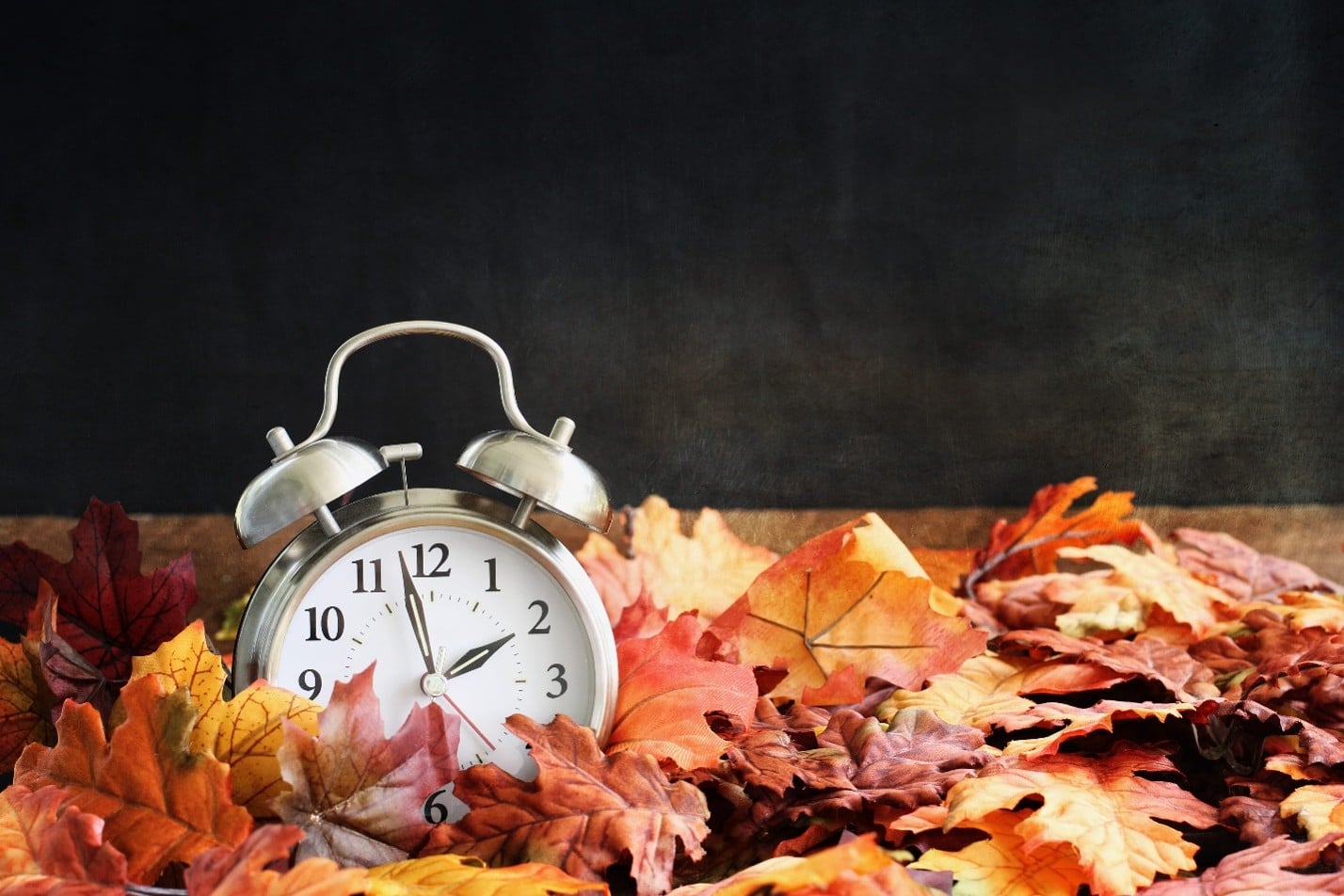
Tennessee residents will gain an extra hour of sleep when daylight saving time officially ends on Sunday, November 1, 2026. The annual transition marks the return to standard time, bringing earlier sunsets, brighter mornings, and noticeable changes to daily routines as the state moves further into the fall season.
At 2 a.m. on November 1, clocks will move backward one hour to 1 a.m., giving residents an additional hour overnight. While many smartphones, computers, and other electronic devices automatically adjust, traditional clocks, watches, and certain household appliances may need to be changed manually. The time change occurs on the first Sunday in November each year under federal law, with daylight saving time scheduled to return on March 14, 2027.[1]
Why Do We Change the Clocks Twice a Year?
Daylight saving time is a practice designed to shift an hour of daylight from the morning to the evening during the warmer months. By moving clocks forward in March, communities experience later sunsets, allowing more daylight for outdoor activities, recreation, and other activities after traditional working hours. When daylight saving time ends in November, clocks return to standard time, which more closely aligns clock time with the natural position of the sun.
The practice has a long history in the United States, although its implementation has changed over time. The Uniform Time Act of 1966 established a national framework for daylight saving time, while the Energy Policy Act of 2005 extended its duration beginning in 2007. Today, most states observe daylight saving time from the second Sunday in March until the first Sunday in November. Tennessee follows this schedule, meaning residents across the state will adjust their clocks on November 1.[2]
How the Time Change Affects Sunrise and Sunset
One of the most noticeable effects of returning to standard time is the shift in daylight hours. Although the total amount of sunlight does not change because of the clocks moving backward, the timing of sunrise and sunset changes relative to the clock. On November 1, sunrise and sunset will occur approximately one hour earlier by the clock than they would have if daylight saving time had continued.
For residents of Lakeland and the greater Memphis area, this means mornings will become brighter earlier, while evenings will grow darker sooner. People who leave home early for work or school may appreciate having more daylight during their morning commute. However, those who enjoy walking, exercising, gardening, or spending time outdoors after work may find that their available evening daylight becomes more limited. The shift also comes during a period when daylight hours are naturally decreasing as the Northern Hemisphere approaches the winter solstice in December.
Adjusting Sleep Schedules and Daily Routines
Although gaining an extra hour may sound beneficial, changing the clocks can still temporarily disrupt sleep patterns. The body’s internal clock, known as the circadian rhythm, helps regulate when people feel awake and when they become tired. This biological system responds to environmental cues, particularly light and darkness, which means changes in daylight exposure can influence sleep and alertness.
According to the Centers for Disease Control and Prevention, circadian rhythms play an important role in regulating sleep and other bodily functions. Maintaining consistent sleep and wake times, getting exposure to natural daylight, and following healthy sleep habits can help support the body’s internal clock.[3]
Residents who want to make the transition easier can begin by maintaining a regular bedtime and wake-up schedule in the days surrounding November 1. Spending time outdoors during the morning or early afternoon may also help reinforce the body’s natural sleep-wake cycle. Limiting bright light exposure close to bedtime and creating a comfortable sleeping environment can further support healthy sleep habits. While many people adjust quickly to the one-hour difference, others may need several days to feel fully accustomed to the new schedule.
Staying Safe During Earlier Evening Hours
The return to standard time also brings practical considerations for drivers, pedestrians, and cyclists. With sunset occurring earlier, more people may find themselves traveling home from work, attending after-school activities, or running errands after dark. Reduced visibility can make it more difficult for motorists to notice pedestrians, cyclists, and other potential hazards, particularly along roads with limited lighting.
The National Highway Traffic Safety Administration encourages drivers to remain attentive, reduce distractions, and use additional caution when traveling in darkness. Pedestrians can improve their visibility by wearing bright or reflective clothing, using designated crossings, and remaining alert to surrounding traffic.[4]
Families may also want to reconsider the timing of outdoor activities as evenings become darker. Children who regularly play outside after school may have less daylight available, while residents who walk or exercise in the evening may benefit from adjusting their schedules. Choosing well-lit routes, carrying a flashlight, and wearing reflective accessories can help make outdoor activities safer. Homeowners may also find it useful to check exterior lighting around driveways, walkways, and entrances to improve visibility during the longer nighttime hours.
Making the Most of Shorter November Days
Although earlier sunsets can require adjustments, the transition to standard time also offers opportunities to establish new seasonal routines. Residents who enjoy spending time outdoors may find that morning walks, lunchtime activities, and weekend outings provide more opportunities to enjoy natural daylight. Cooler November temperatures can make outdoor recreation particularly comfortable, especially during the middle of the day.
Families can also use the time change as an opportunity to review household schedules and prepare for the approaching winter months. Planning outdoor activities earlier, organizing evening routines, and making time for adequate rest can help reduce disruptions. For individuals who work indoors throughout the day, taking short breaks outside when possible may provide valuable exposure to natural light. These small adjustments can make the transition feel more manageable while allowing residents to continue enjoying the season.
Understanding the Difference Between Standard Time and Daylight Saving Time
Tennessee is divided between two time zones, with West Tennessee, including Lakeland and Memphis, observing Central Time. When daylight saving time ends, these communities transition from Central Daylight Time (CDT) to Central Standard Time (CST). Meanwhile, communities in East Tennessee that observe Eastern Time transition from Eastern Daylight Time (EDT) to Eastern Standard Time (EST).
The distinction is particularly important for residents who travel across Tennessee or communicate with individuals in different parts of the state. Although both time zones move their clocks backward on November 1, the one-hour difference between Central and Eastern Time remains unchanged. The U.S. Department of Transportation oversees the nation’s time zones and daylight saving time observance, helping maintain consistent standards for transportation, commerce, and everyday scheduling.[5]
Preparing for the November 1 Time Change
As November approaches, residents can take a few simple steps to prepare for the return to standard time. Checking clocks and electronic devices, reviewing household schedules, and accounting for earlier sunsets can help prevent confusion during the transition. Those who rely on alarms, programmable thermostats, or other timed equipment may want to confirm that their devices display the correct time after the change.
For Lakeland residents, the end of daylight saving time is another reminder that winter is approaching. While the additional hour overnight may be welcome, the earlier arrival of darkness can influence everything from evening commutes to family activities. By making small adjustments to daily routines and remaining mindful of changing daylight conditions, residents can prepare for the seasonal transition and make the most of November’s shorter days.
[1] National Institute of Standards and Technology (NIST). Daylight Saving Time (DST).
https://www.nist.gov/pml/time-and-frequency-division/popular-links/daylight-saving-time-dst
[2] U.S. Department of Transportation. Daylight Saving Time.
https://www.transportation.gov/regulations/daylight-saving-time
[3] Centers for Disease Control and Prevention (CDC). Circadian Rhythms.
https://www.cdc.gov/niosh/work-hour-training-for-nurses/longhours/mod2/05.html
[4] National Highway Traffic Safety Administration (NHTSA). Pedestrian Safety.
https://www.nhtsa.gov/road-safety/pedestrian-safety
[5] U.S. Department of Transportation. Standard Time.
https://www.transportation.gov/regulations/time-act