

As November brings cooler temperatures and shorter days to West Tennessee, homeowners have an opportunity to prepare their lawns and gardens for the approaching winter season. While the growing season may be winding down, the work completed during late fall can influence how well grass, trees, shrubs, and other plants withstand colder conditions and recover when warmer weather returns.
For residents of Lakeland and the surrounding communities, winter landscaping preparation does not necessarily require major projects or expensive equipment. Simple tasks such as adjusting mowing schedules, managing fallen leaves, protecting sensitive plants, and applying mulch can help maintain healthier outdoor spaces. Understanding how different plants respond to seasonal changes can also help homeowners avoid unnecessary maintenance and focus on the activities that provide the greatest benefits.
Understanding How Tennessee Lawns Change During Winter
Tennessee’s climate allows both warm-season and cool-season grasses to grow, but these varieties respond differently as temperatures decline. Warm-season grasses, including bermudagrass and zoysiagrass, grow most actively during the warmer months and typically enter dormancy as temperatures fall. During this period, the grass may turn brown or tan, even though the plants remain alive and capable of returning to active growth in spring.
Cool-season grasses, such as tall fescue and Kentucky bluegrass, generally perform better during mild fall temperatures and may remain green throughout much of the winter. According to the University of Tennessee Extension, understanding the type of grass growing in a lawn is essential for determining appropriate mowing, fertilization, and seasonal maintenance practices. Because Tennessee falls within a climatic transition zone, homeowners may encounter different grass varieties across their properties, particularly in areas with varying amounts of sunlight and shade.[1]
Completing the Final Stages of Lawn Care
As grass growth slows in November, homeowners may find that mowing becomes less frequent. However, the timing of the final mowing depends on the grass variety and prevailing weather conditions. Cool-season grasses may continue growing during mild periods, while warm-season lawns generally require less attention once dormancy begins. Rather than stopping lawn care on a particular date, residents can monitor growth and continue mowing when necessary.
Maintaining an appropriate mowing height is also important. Cutting grass excessively short can place unnecessary stress on the lawn, while allowing it to become too long may create maintenance challenges. Homeowners should follow recommended mowing heights for their specific grass varieties and avoid removing more than one-third of the grass blade during a single mowing. Late fall is also a useful time to remove branches, toys, and other debris from grassy areas before winter weather makes outdoor maintenance less convenient.
Knowing When to Fertilize and Water
Fertilization is another aspect of lawn care that requires attention to grass type and seasonal growth patterns. Cool-season lawns may benefit from appropriately timed fall fertilization because they remain active during cooler weather. Warm-season grasses, however, generally should not receive applications intended to encourage substantial new growth as they approach dormancy. Applying fertilizer at the wrong time can promote tender growth that may be more vulnerable to cold temperatures.
Watering needs also change during the fall and winter months. Although cooler temperatures generally reduce evaporation and plant water requirements, extended dry periods can still affect lawns and landscaping. Homeowners should consider recent rainfall, soil moisture, and the needs of individual plants before watering. The University of Tennessee’s turfgrass guidance emphasizes that warm-season and cool-season grasses have different maintenance requirements, making it important to understand these differences before applying fertilizers or adjusting irrigation practices.[2]
Protecting Sensitive Plants From Cold Temperatures
Not every plant commonly grown in Tennessee landscapes can tolerate the same winter conditions. While many established trees, shrubs, and perennial flowers are adapted to seasonal temperature changes, tropical plants, tender ornamentals, and certain container-grown plants may be more vulnerable to freezing weather. These plants may require additional protection as nighttime temperatures begin approaching freezing.
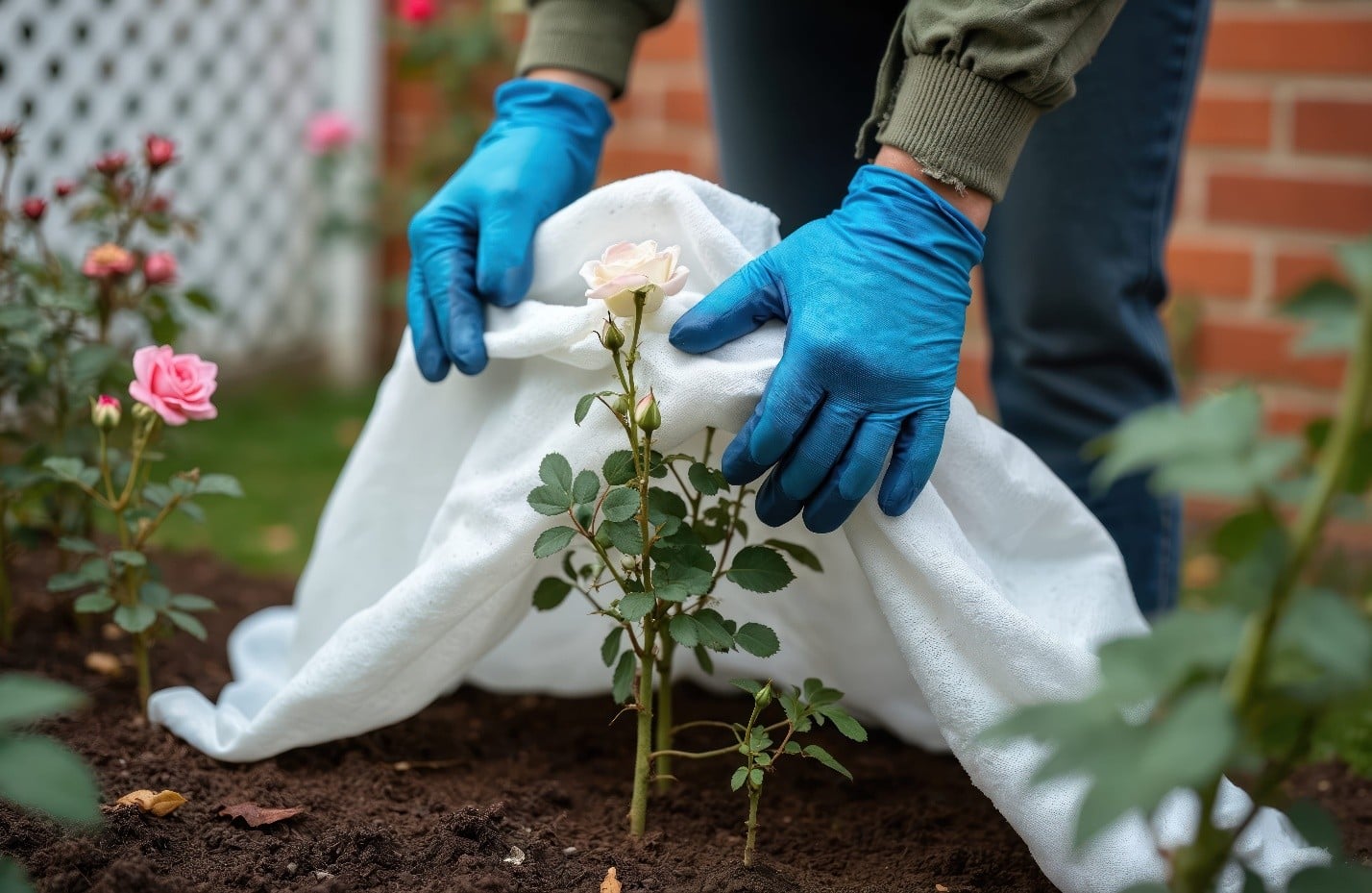
Homeowners can prepare by identifying plants that are sensitive to cold and determining whether they should be moved indoors, relocated to a sheltered area, or temporarily covered during freezing conditions. Lightweight frost cloths and other breathable coverings can help reduce exposure to cold air, particularly when properly secured and removed when temperatures rise. Container-grown plants deserve special attention because their roots are more exposed to temperature fluctuations than those growing directly in the ground. University of Tennessee Extension specialists note that plants in containers can experience greater winter damage because the surrounding soil provides less insulation.[3]
Using Mulch to Protect Garden Beds
Applying mulch is one of the most practical ways to prepare garden beds for winter. Mulch helps regulate soil temperatures, retain moisture, reduce erosion, and limit weed growth. Organic materials such as shredded bark, pine straw, wood chips, and fallen leaves can also contribute organic matter to the soil as they gradually decompose.
The University of Tennessee’s Tennessee Smart Yards program recommends maintaining a mulch layer approximately two to three inches deep in planting beds and around trees and shrubs. Mulch should be kept at least two inches away from tree trunks to prevent excessive moisture accumulation around the bark. Homeowners can inspect existing mulch during November and replenish areas where the material has become thin or uneven. Applying an appropriate layer can help protect plant roots from rapid temperature fluctuations while improving the appearance of garden beds during the winter months.[4]
Managing Fallen Leaves Without Harming the Lawn
Falling leaves are one of the most recognizable signs of autumn, and November often brings additional cleanup responsibilities for homeowners. While leaves are a natural part of the seasonal cycle, allowing thick layers to accumulate on lawns can block sunlight and create conditions that interfere with healthy grass growth. Wet, compacted leaves may also trap moisture against the turf, making it important to manage excessive accumulation.
However, homeowners do not necessarily need to remove every fallen leaf from their properties. Leaves can be shredded with a lawn mower and allowed to decompose in thin layers, provided they do not smother the grass. They can also be collected for composting or used as mulch in appropriate garden areas. The Tennessee Smart Yards program encourages residents to reuse organic materials such as fallen leaves, grass clippings, and plant trimmings to improve soil health and reduce yard waste. These practices can help homeowners manage seasonal debris while making productive use of materials already available in their yards.[5]
Preparing Flower Beds and Perennial Gardens
Flower beds often require a different approach to winter preparation than lawns. Many annual flowers begin declining as temperatures drop, while perennial plants may naturally die back above ground and remain dormant until spring. Removing spent annuals, clearing heavily diseased plant material, and checking the condition of garden beds can help create a healthier environment for the next growing season.
However, gardeners should avoid assuming that every dried stem or fallen leaf needs to be removed. Some perennial plants provide valuable winter habitat for beneficial insects and other wildlife. Hollow stems, seed heads, and natural leaf litter can offer shelter or food sources during colder months. University of Tennessee horticulture specialists recommend considering the ecological benefits of leaving selected plant material in place while removing debris associated with disease or other problems. This balanced approach can support both garden maintenance and local wildlife.[6]
Caring for Trees and Shrubs Before Winter
Trees and shrubs are important features of many residential landscapes, providing shade, privacy, and visual interest throughout the year. As winter approaches, homeowners can inspect these plants for damaged branches, signs of disease, and other potential concerns. Removing fallen limbs and addressing obvious hazards can help maintain safer outdoor spaces, particularly before winter storms bring strong winds or freezing precipitation.
Late fall can also be an appropriate time to evaluate the condition of recently planted trees and shrubs. Younger plants may benefit from additional mulch around their root zones, while evergreens may require attention during extended dry periods. Homeowners should avoid unnecessary heavy pruning, particularly when dealing with plants that may already be experiencing seasonal stress. Major pruning decisions should account for the plant species and its growth cycle, as some flowering shrubs develop buds well before spring.
Preparing Outdoor Containers and Garden Equipment
Container gardens and outdoor gardening equipment also deserve attention before freezing temperatures arrive. Terracotta pots, decorative planters, and other containers may crack when moisture inside the material freezes and expands. Emptying vulnerable containers, storing them in sheltered locations, or selecting weather-resistant alternatives can help prevent damage during the winter.
Garden hoses, watering equipment, and irrigation systems should also be checked before temperatures consistently fall below freezing. Disconnecting hoses, draining exposed watering equipment, and following manufacturer recommendations for winterizing irrigation systems can reduce the risk of damage. Garden tools can be cleaned, dried, and stored in a protected location to prevent rust and deterioration. The University of Tennessee Extension’s winter gardening checklist identifies equipment maintenance, irrigation preparation, and protecting vulnerable plants as important components of seasonal landscape care.[7]
Planning Ahead for Next Spring’s Growing Season
Although November is primarily associated with preparing landscapes for winter, it can also be a useful time to begin planning for the following growing season. Homeowners may notice areas where grass struggled during the summer, garden beds that need improvement, or plants that have outgrown their available space. Making observations before winter can help guide decisions about future landscaping projects.
Soil testing is another option for residents interested in improving lawn and garden conditions. Testing can provide information about soil pH and nutrient levels, helping homeowners make more informed decisions about fertilizers and soil amendments. Rather than applying products without knowing whether they are needed, residents can use test results to develop a more targeted approach. Planning during the slower winter months may also provide time to research appropriate plant varieties, evaluate landscaping goals, and prepare for spring maintenance.
Maintaining a Healthy Landscape Throughout Winter
Preparing a lawn and garden for winter does not mean that outdoor maintenance must stop completely once December arrives. Homeowners can continue monitoring their properties for fallen branches, excessive leaf accumulation, drainage problems, and signs of damage following severe weather. Checking on vulnerable plants during particularly cold periods can also help identify issues before they become more serious.
For Lakeland residents, November offers an opportunity to complete these tasks while temperatures are generally more comfortable than they will be later in the winter. By understanding the seasonal needs of different grasses and plants, applying mulch appropriately, managing leaves responsibly, and protecting sensitive landscaping, homeowners can help their outdoor spaces withstand colder conditions. A thoughtful approach to fall maintenance can reduce unnecessary work, protect existing landscaping investments, and provide a healthier foundation for the return of spring.
[1] University of Tennessee Extension, Master Gardener Program. Chapter 10: Turfgrass Management in Tennessee. https://mastergardener.tennessee.edu/chapter-10-turfgrass-management-in-tennessee/
[2] University of Tennessee Extension. Welcome Home, Week 4: Lawns. https://uthort.tennessee.edu/welcome-home-week-4-lawns/
[3] University of Tennessee Institute of Agriculture. Evaluating Your Lawn and Landscape After the Recent Holiday Freeze. https://utianews.tennessee.edu/evaluating-your-lawn-and-landscape-after-the-recent-holiday-freeze/
[4] University of Tennessee Extension, Tennessee Smart Yards. Manage Soils and Mulch. https://tnyards.utk.edu/managesoils/
[5] University of Tennessee Extension, Tennessee Smart Yards. Reduce, Reuse, Recycle. https://tnyards.utk.edu/reducereuserecycle/
[6] University of Tennessee Extension. Welcome Home, Week 2: Flowering and Herbaceous Plants. https://uthort.tennessee.edu/welcome-home-week-2-flowering-and-herbaceous-plants/
[7] University of Tennessee Extension. How to Put Your Garden to Bed and Prepare for Winter. https://bess.tennessee.edu/wp-content/uploads/sites/20/2021/07/winter-gardening-checklists.pdf