

For a lot of people, going to the dentist used to feel like something you put off. Not because you didn’t care, but because it wasn’t exactly something you looked forward to. There was always that small sense of tension, whether it was the environment, the uncertainty, or just old habits built over time.
But something has shifted in recent years. People are starting to talk about dental visits differently. Less about getting through it, and more about how it fits into their routine, almost like any other part of taking care of themselves.
Around communities like Lakeland, where people tend to focus on practical, everyday well-being, that change feels noticeable. Dental care isn’t just something you do when there’s a problem. It’s becoming part of how people stay ahead of things, quietly and consistently.
How Expectations Around Dental Care Have Changed
It’s not just the treatments that have changed, it’s the expectations. People aren’t looking for quick fixes anymore. They want comfort, clarity, and a sense that they understand what’s happening.
That’s a big shift from the past, when visits often felt rushed or unclear. Now, there’s more emphasis on communication, on explaining what’s going on and why it matters.
When that happens, the whole experience changes. Instead of feeling like something you have to get through, it starts to feel like something you’re choosing to do for yourself.
The Difference a Comfortable Environment Makes
One thing people notice right away is the environment. It’s hard to explain, but you can tell when a place is designed to make you feel at ease instead of on edge.
That sense of calm isn’t accidental. It comes from small details, how you’re greeted, how things are explained, even how much time is taken during a visit. Some practices, like Relax Dental, focus heavily on that experience, combining routine care with a more relaxed, patient-centered approach.
They offer a wide range of services, from cleanings and exams to more advanced treatments, but what stands out is how those services are delivered, with attention to comfort and consistency.
Why Preventive Care Feels More Important Now
There’s also been a shift in how people think about timing. Instead of waiting for something to go wrong, more people are choosing to stay ahead of issues.
Regular checkups, cleanings, and early conversations about changes in oral health help avoid bigger problems later. It’s a quieter approach, but it tends to work better over time.
In everyday life, that means fewer surprises. Less discomfort. And fewer moments where something small turns into something more complicated than it needed to be.
What Research Says About Oral Health and Overall Well-Being
There’s a reason this shift toward preventive care is happening.
The Centers for Disease Control and Prevention (CDC) notes that maintaining oral health plays a role in overall health, with poor dental hygiene linked to broader conditions affecting the body.
That connection is part of why dental care feels more relevant now than it used to. It’s not just about teeth, it’s about how everything connects over time.
The Role of Consistency in Everyday Health
One of the simplest things that makes a difference is consistency. Not in a strict or overwhelming way, but in small, regular habits that add up.
Going in for routine visits, paying attention to changes, and keeping up with basic care creates a kind of baseline. You’re not reacting, you’re maintaining.
And when that becomes part of your routine, it stops feeling like an extra task. It just becomes part of how you take care of yourself.
Why Anxiety Around Dental Visits Is Slowly Changing
For a long time, dental anxiety was something people just accepted. It was common enough that most people didn’t question it.
But that’s changing too. As environments improve and communication becomes clearer, that sense of anxiety is starting to fade for many people.
It doesn’t disappear overnight, but it becomes manageable. And for some, it even goes away entirely once they realize the experience isn’t what they expected anymore.
The Impact of Technology on Patient Experience
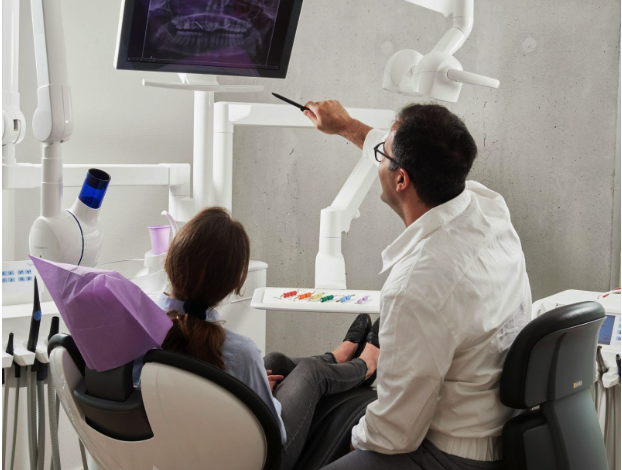
Modern dental care also looks different because of the tools being used. Digital imaging, faster procedures, and more precise diagnostics all play a role in making visits smoother.
These changes might not always be visible to patients, but they’re felt. Appointments are more efficient. Treatments are more predictable. And overall, the process feels less complicated.
Over time, that consistency builds trust. And trust changes how people approach care in the first place.
Why People Are Paying More Attention to Their Smile
There’s also a growing awareness of how much a smile affects everyday life. Not just in a big, noticeable way, but in subtle interactions, conversations, confidence, even how people carry themselves.
When oral health is stable, it removes one more thing to think about. You’re not worrying about discomfort or appearance. You’re just present.
That might seem small, but it adds up. And it’s part of why more people are choosing to stay consistent with care instead of waiting for problems to show up.
Small Changes That Make a Lasting Difference
What stands out most is that none of these changes are dramatic on their own. It’s not one big shift, it’s a series of smaller ones that build over time.
A better experience. More awareness. A little more consistency. Together, they change how dental care fits into everyday life.
And once that shift happens, it tends to stick. It becomes less about obligation and more about maintenance, quiet, steady, and part of a routine that actually works.
When Care Starts to Feel Effortless Again
At a certain point, things start to feel simple again. You go to appointments without overthinking them. You notice changes early instead of reacting late.
It’s not about doing more. It’s about doing things in a way that feels manageable and consistent.
And that’s really the difference. Dental care doesn’t have to feel like something separate from the rest of your life. When it’s done right, it just fits, quietly supporting everything else without needing constant attention.
By: Chris Bates