

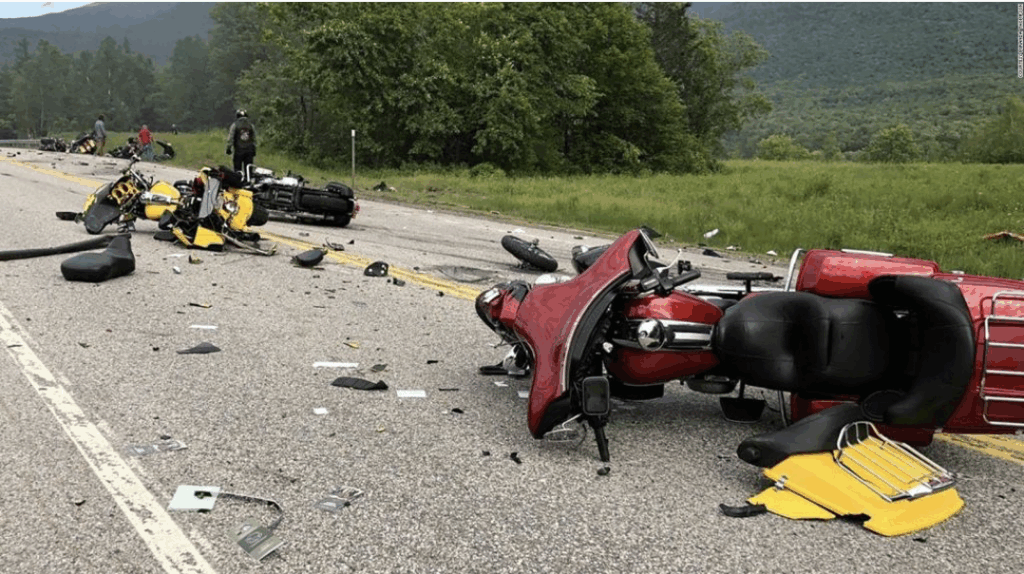
Motorcyclists face more serious risks than other types of vehicles. With no outer protection, just speed, balance, and the open air, one wrong move or bad surface can be life-threatening.
Most motorcycle accidents don’t just happen because of careless drivers. Poor road conditions play a huge part, too. Whether it’s a developed country or a developing one, poorly maintained roads remain a significant reason behind many of these crashes.
In such situations, if a motorcyclist is injured due to poor roads, the government or its agencies can be held responsible. The good part is that you have the right to take action. As a citizen, you can raise your voice and file a case against the concerned department. You may even be able to get compensation for motorcycle crash victims who suffer because someone didn’t do their job.
How Bad Roads Make Riding More Dangerous
Poor road conditions are dangerous to all forms of vehicles, and motorcyclists are particularly vulnerable to this, as even a minor hazard can lead to a severe, catastrophic injury. That’s because there’s no extra set of wheels to maintain the balance, or a strong frame to protect the rider, it’s just the bike and the road.
Common road hazards that cause the injury:
- Potholes
- Loose gravel or sand
- Cracks or uneven pavement
- Poor drainage
- Missing signs or poor lighting
Who Might Be Responsible for Bad Roads?
People are not perfect when it comes to driving. Road signs and other infrastructure is designed to minimize errors people could make. However, if roads are not properly maintained or the right signage is not used, it could lead to dangerous accidents.
Possible people or groups at fault:
- The city or state that owns and takes care of the road
- Construction companies that didn’t fix the road properly
- Private property owners, if the accident happened on their land
Determining who is responsible can be a challenging task. It depends on where you crashed and who is in charge of that road.
Rules and evidence for filing a claim against the government
Filing a claim against the government is entirely different from a regular lawsuit that has been filed in a motor vehicle accidents. Everything must be on point and supported by valid proof. Remember, you are going against the government, so ensure you follow all deadlines and present your evidence properly.
Here’s what usually applies to cases of these types:
- Short deadlines: You may only have a few months (sometimes as short as 30–180 days) to file a “notice of claim.”
- Notice first: Before filing a lawsuit, you must let the city or state know in writing that you plan to file a claim. This is often referred to as a “notice of claim.”
- Some agencies may be protected in certain situations. However, if they were negligent (such as ignoring a dangerous pothole), they can be held accountable.
These laws can change from state to state, so its important to check out your local laws.
Evidence needed
Strong evidence speaks in claims like these, and the important thing is how original and fresh the evidence is. Things that can be used as evidence include:
- Photos of the accident scene
- Pictures of your injuries and damage
- Police report
- Medical records
- Witness statements
- Prove the agency knew (or should have known) about the bad road
The more detailed your proof, the stronger your case. Collect all the information right after the accident or as soon as you are able to.
If you get hurt because of poor road conditions, don’t just think of it as bad luck. You might be able to get help and compensation. Talking to a lawyer can make things easier and give you a better chance to recover from your accident. Click here to learn more about your rights and how speaking with a lawyer could help you recover and move forward.
By: Chris Bates