

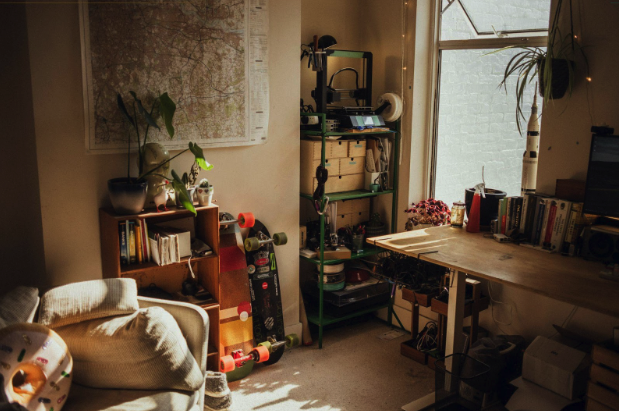
There’s a certain moment people recognize, even if they don’t always say it out loud. It’s when your home starts to feel just a little tighter than it used to. Not because the walls changed, but because everything inside them slowly added up. A few extra bins, seasonal gear, things you meant to go through months ago.
It rarely happens all at once. It’s gradual. You adjust, make space where you can, shuffle things around. But eventually, the effort of managing it all starts to outweigh the convenience of keeping it there.
Around Lakeland and across parts of Tennessee, where homes often carry a mix of practical storage and lifestyle items, tools, outdoor gear, keepsakes, that shift tends to happen quietly. It’s less about clutter and more about realizing your space isn’t working the way it used to.
How Space Gets Used Without You Noticing
Most homes don’t run out of space overnight. It happens in small decisions. You hold onto something because it still has value. You tuck something away because you’ll need it again. You reorganize instead of removing.
Over time, though, those decisions stack up. Closets become harder to navigate. Garages stop functioning as garages. Spare rooms turn into storage areas without ever being labeled that way.
What’s interesting is how quickly people adapt to it. You stop expecting things to feel open. You start working around your space instead of letting it work for you. That’s usually the point where something needs to change, even if it’s not immediately obvious what that change should be.
The Shift From Managing Space to Creating It
There’s a difference between organizing and actually creating space. Organizing can help for a while, it makes things look better, maybe even feel a bit easier. But it doesn’t always solve the underlying issue if there’s simply too much competing for the same square footage.
Some people try to downsize what they own, which works in certain situations. Others take a more flexible approach, deciding that not everything needs to live inside the home all the time. That’s where options like self storage in Tennessee come into play, not as a last resort, but as a way to separate everyday living from everything else.
The moment you remove even a portion of that overflow, something shifts. Rooms start to feel like themselves again. You’re not constantly adjusting or stepping around things. It’s subtle, but noticeable.
Why Open Space Changes How a Home Feels
There’s a reason people react differently to a room that feels open versus one that feels crowded. It’s not just about appearance, it’s about how easy it is to exist in that space.
When there’s room to move, to sit, to use an area for its intended purpose, everything feels more natural. You don’t have to think about where things go or what needs to be moved first. It just works.
What Research Says About Clutter and Stress
There’s actual research behind this feeling.
Studies from the American Psychological Association (APA) have found that cluttered environments can increase stress levels and make it harder to focus, especially in spaces meant for rest or daily living.
That lines up with what people tend to notice on their own. When things are crowded, even slightly, it creates a kind of background tension. Not overwhelming, but persistent. And once it’s gone, the difference is hard to ignore.
Seasonal Living Brings Its Own Challenges
In Tennessee, seasons don’t just change the weather, they change how people live. Summer brings outdoor gear, lake days, and tools that see constant use. Fall and winter shift things indoors, bringing in a different set of items altogether.
The challenge is that all of it exists at the same time, even if it’s not being used. Off-season items still take up space, which makes it harder for current-season needs to fit comfortably.
Without a system in place, homes end up holding everything at once, even though only part of it is relevant at any given time. That’s where things start to feel crowded, even if the home itself hasn’t changed.
The “I Might Need This” Habit
One of the biggest reasons space fills up is hesitation. Not indecision exactly, but that small voice that says, “I might need this later.”
And sometimes that’s true. But more often, those items sit untouched, taking up room that could be used for something else. The problem isn’t keeping things, it’s keeping everything within reach all the time.
Once people start separating what they need regularly from what they just want to hold onto, decisions get easier. It’s less about getting rid of things and more about deciding where they belong.
Homes Work Better When They Match Daily Life
A home feels different when it aligns with how you actually live. When the kitchen is used for cooking instead of storage. When the garage can hold a car again. When a spare room is available for guests instead of boxes.
That kind of alignment doesn’t happen by accident. It usually comes from small changes that build over time, clearing out a space, moving items elsewhere, rethinking what needs to stay.
The result isn’t just visual. It changes how you move through your day. Things take less effort. There’s less friction in simple tasks. And that adds up quickly.
Small Adjustments, Long-Term Impact
Most people don’t need a major overhaul to feel better about their space. It’s usually smaller adjustments that make the biggest difference. Removing a few items, opening up a room, creating just a bit more breathing room.
What’s surprising is how lasting that impact can be. Once a space feels easier to use, people tend to maintain it without much effort. It becomes the new baseline.
Over time, that shift carries into other areas. You start to notice where things feel off, where space isn’t working the way it should. And slowly, those areas improve too.
Finding a Balance That Feels Sustainable
At the end of the day, it’s not about having less or having more. It’s about finding a balance that actually works for your life. A home should feel usable, not crowded. Comfortable, not overfilled.
For some people, that means reorganizing what they already have. For others, it means creating a bit of distance between everyday living and everything else they own.
Either way, the goal is the same, to make space feel like something that supports your life, instead of something you constantly have to manage. And once that balance is there, it tends to stay.
By: Chris Bates