

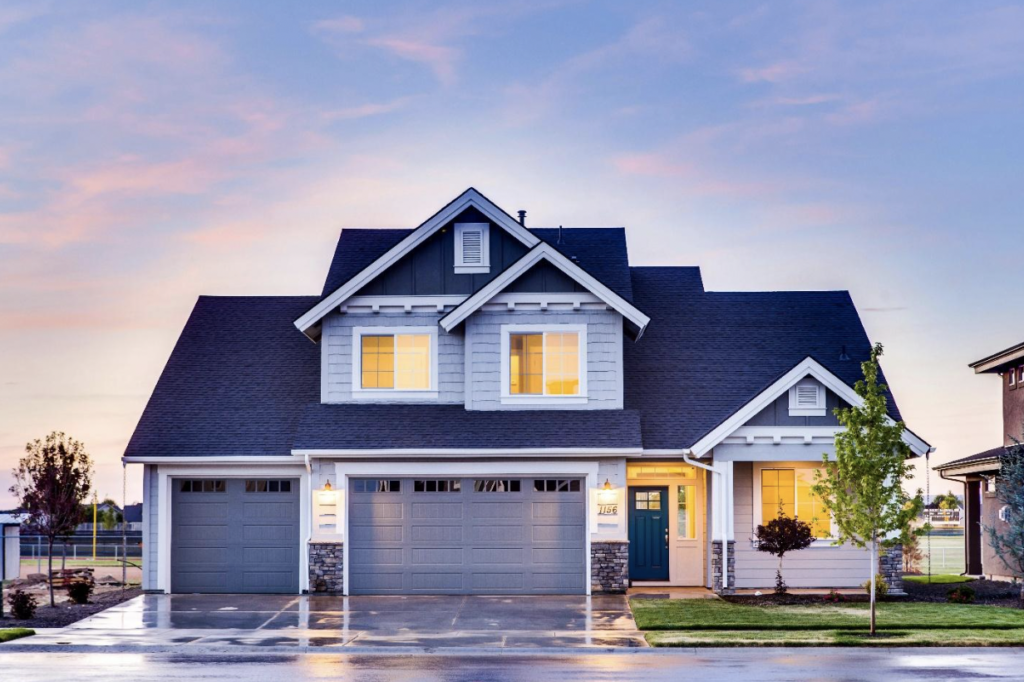
Photo by Pexels
Severe storms can leave homeowners feeling overwhelmed, especially when the roof—the home’s first line of defense—takes the brunt of the damage. High winds, hail, heavy rain, and falling debris can compromise roofing materials in ways that aren’t always immediately visible. Knowing what steps to take after a storm can help prevent further damage, protect your property, and simplify the recovery process. Acting quickly and methodically is key to minimizing long-term costs and restoring peace of mind.
Prioritize Safety and Assess From a Distance
After a storm passes, safety should always come first. Avoid climbing onto the roof or walking around areas where debris, loose shingles, or damaged power lines may be present. Wet surfaces and unstable structures pose serious risks, especially immediately following severe weather.
Begin your assessment from the ground. Look for obvious signs such as missing shingles, sagging rooflines, exposed underlayment, or debris resting on the roof. Inside the home, check ceilings and attic spaces for water stains, drips, or damp insulation. This initial visual review helps you identify potential issues without putting yourself in danger.
Prevent Further Damage With Temporary Measures
If storm damage has exposed parts of your roof, taking steps to prevent additional water intrusion is critical. Temporary solutions such as tarping damaged areas or covering exposed sections can help protect your home until professional repairs are made. These measures are especially important if rain is forecasted in the days following the storm.
Temporary fixes are not meant to replace permanent repairs, but they can significantly reduce secondary damage to insulation, drywall, and electrical systems. Homeowners often turn to professionals like Ace Roofing for emergency services that stabilize the roof quickly while a long-term repair plan is developed.
Document the Damage Thoroughly
Proper documentation plays a major role in both insurance claims and repair planning. Take clear photographs and videos of all visible damage, including wide shots and close-ups. Be sure to document both exterior and interior issues, such as missing shingles, dents from hail, water stains, and debris impact points.
Keep records of the storm date, weather conditions, and any temporary repairs made. Written notes and visual evidence help support insurance claims and ensure accurate estimates from roofing professionals. The more thorough your documentation, the smoother the claims and repair process is likely to be.
Contact Your Insurance Provider Promptly
Once damage is documented, notify your insurance provider as soon as possible. Many policies have time limits for reporting storm damage, and delays can complicate the claims process. Provide your insurer with photos, descriptions of the damage, and any immediate actions taken to prevent further issues.
An insurance adjuster may schedule an inspection to evaluate the extent of the damage. It’s helpful to have a roofing professional involved during this process to ensure all affected areas are identified. Clear communication with your insurer helps set expectations regarding coverage, deductibles, and repair timelines.
Schedule a Professional Roof Inspection
Even if storm damage appears minor, a professional inspection is essential. Some issues—such as lifted shingles, punctures, or compromised flashing—may not be obvious to an untrained eye. Left unaddressed, these hidden problems can lead to leaks, mold growth, or structural deterioration over time.
A qualified roofing professional will assess both visible and underlying damage, recommend appropriate repairs, and determine whether replacement is necessary. Professional evaluations provide clarity, helping homeowners avoid unnecessary repairs while ensuring critical issues are not overlooked.
Understand Repair vs. Replacement Options
After inspection, homeowners must decide whether repair or replacement is the best course of action. Minor damage may be resolved with targeted repairs, such as replacing shingles or sealing flashing. However, widespread damage, aging materials, or repeated storm exposure may make full replacement more cost-effective in the long run.
Your roofing professional can explain the pros and cons of each option based on roof age, material condition, and insurance coverage. Understanding these factors allows you to make informed decisions that balance immediate needs with long-term durability.
Plan Repairs Strategically and Stay Informed
Once repairs or replacement are approved, schedule work promptly to reduce exposure to future weather events. Stay informed throughout the process by asking questions about materials, timelines, and warranties. Clear communication ensures expectations are met and helps avoid surprises.
After repairs are complete, consider preventive measures such as routine inspections, improved ventilation, or upgraded materials to better withstand future storms. Proactive maintenance strengthens your roof’s resilience and reduces the likelihood of repeat damage.
Conclusion
Storm damage to your roof can be stressful, but knowing how to respond makes a significant difference in the outcome. By prioritizing safety, preventing further damage, documenting issues, working with your insurance provider, and relying on professional inspections, you can protect your home and avoid costly complications. With timely action and informed decisions, recovery becomes more manageable, and your roof can continue to provide reliable protection against the elements.
By: Chris Bates