

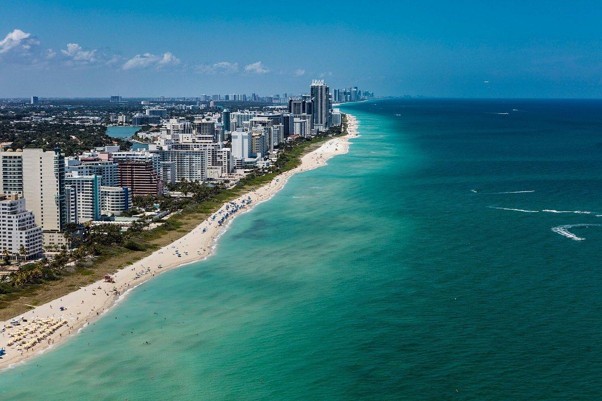
Florida has a way of overwhelming first-time visitors before they’ve even left the airport. The state is enormous, the distances between attractions are deceptive on a map, and the infrastructure is built almost entirely around the assumption that you have a car. Arriving without a plan for getting around is the most common mistake first-timers make, and it shapes the entire trip from the moment the plane lands. A little preparation before departure makes the difference between a holiday that flows and one that spends its first day recovering from avoidable friction.
Ground Transport Is the Decision That Unlocks Everything Else
Florida does not work like a European city break or a package holiday to a resort where everything is within walking distance. Outside of a few walkable downtown cores, the state demands mobility. Theme parks, beaches, state parks, food worth eating, and towns worth spending time in are spread across hundreds of miles, connected by highways that are not served by meaningful public transport. Deciding how you’ll move around before you book anything else is the starting point. Many first-timers find that choosing to rent a car from the airport on arrival – rather than relying on rideshares or shuttle services – is the decision that gives the trip its shape.
Peer-to-peer platforms have changed this calculation considerably, making it possible to book a specific vehicle from a local host rather than joining a queue at a traditional rental desk. The flexibility that follows from having your own transport from day one is hard to overstate.
Knowing Where You’re Actually Going Saves More Time Than Any Hack
Florida’s geography confuses people who haven’t visited before. The distances that look manageable on a map are not always manageable in practice – Orlando to Miami is a four-hour drive, Orlando to Pensacola is closer to seven. Trying to cover both coasts and the Keys in a single week-long trip usually means seeing all of them badly.
A more useful approach is to anchor the trip to a single region and explore it thoroughly. Central Florida, with Orlando as a base, gives access to both coasts within a couple of hours and sits within reach of some genuinely undervisited state parks and small towns. South Florida is a different trip entirely – more urban, more culturally dense, better for food and nightlife than for beaches and open road. The Panhandle is quieter, cheaper, and has some of the best beaches in the state, but it is far from everywhere else.
The Weather Shapes What a Trip Can Actually Be
Florida’s climate varies more than most visitors expect, and the timing of a trip changes what’s possible. The dry season runs roughly from November through April, with cooler temperatures, lower humidity, and the period when outdoor activities are most enjoyable. Summer brings intense heat and afternoon thunderstorms that are brief but serious, and the Atlantic hurricane season runs from June through November, peaking in September.
None of this makes Florida unworthwhile in summer, but it does mean that itineraries built around outdoor time need to front-load activity into mornings and accept that afternoons may need to be spent indoors. Booking accommodation with a pool becomes less of a luxury and more of a practical necessity between June and September.
Budgeting Realistically Matters More Here Than in Most US Destinations
Florida has a reputation as an affordable US destination that does not always hold up on the ground. Theme park tickets, in particular, have increased substantially over recent years, and a single day at a major park can account for a significant portion of a trip’s total budget. Visitors who arrive without having looked at entry costs in advance are regularly caught out.
Food costs vary dramatically depending on where you eat. The tourist-facing restaurants near major attractions are expensive and rarely the best option. Moving even a short distance from the main strips – which requires transport – brings prices down considerably and quality up. This is another reason why mobility from day one pays dividends throughout the trip.
A Few Small Decisions Have an Outsized Effect on the Experience
The visitors who tend to enjoy Florida most are the ones who build in more time than they think they need, resist the urge to pack the itinerary, and leave room for the unplanned. The state rewards the detour – the roadside citrus stand, the small town with an unexpectedly good cafe, the beach that doesn’t appear in any travel guide because it doesn’t need to.
That kind of trip requires a car, a loose plan, and the willingness to adjust both when something better presents itself. Getting those foundations right before departure is the best preparation any first-time Florida visitor can make.