

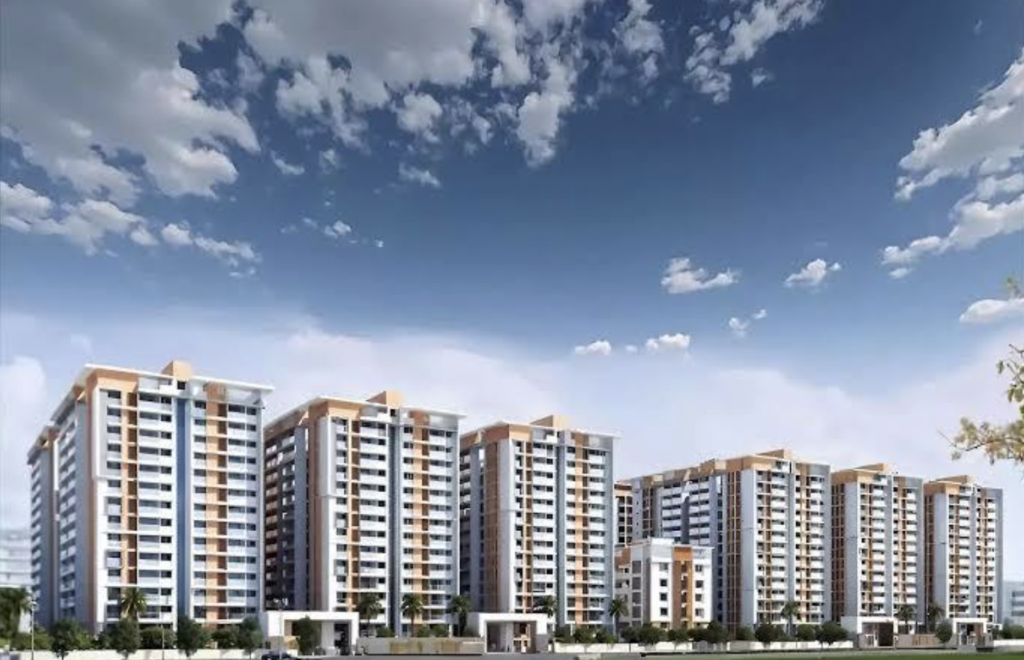
Investing in premium residential areas can offer both lifestyle benefits and strong financial returns, but it also requires careful planning and informed decision-making. Buyers need to evaluate multiple factors, from location and design to long-term costs and market trends, to ensure they make a smart and sustainable investment.
Key Considerations for Choosing a Location
Choosing where to buy a luxury home is crucial, so learn what matters most before you decide. Read more to find out!
Proximity to Amenities
Access to nearby amenities greatly affects daily life and property value in high-end properties. Buyers often seek locations close to top schools, shopping centers, and recreational spots.
In premium residential areas, being within a short drive or walk to grocery stores, hospitals, parks, or gyms adds comfort and saves time.
Real estate experts link strong demand in luxury real estate to easy access to modern services such as public transport networks and upscale restaurants. Properties that offer quick connections to job hubs or airports also hold higher market value over time.
Neighborhood amenities remain a major factor for those considering property investment and long-term ownership satisfaction.
Future Development and Growth Potential
Living near top amenities supports a comfortable lifestyle, but future development and growth potential also shape property value. Cities like Austin and Charlotte gained over 20 percent in property values between 2020 and 2023 due to new jobs, tech hubs, and better schools. Many buyers who move across the country are drawn to these markets for exactly that reason.
Planned projects such as parks or retail centers can boost luxury real estate prices even more.
Check for signs of strong local investment. New roads, hospitals, or business zones show that the area may attract more buyers in the future. Growth often leads to higher resale values and better returns on your property investment.
Consider market trends to help decide if now is a smart time to buy high-end properties in sought-after locations.
Evaluating Architectural Design and Quality
Check the style and strength of each home, then keep reading to learn what makes these details matter for your property investment.
Materials and Craftsmanship
High-end properties often use top-quality materials. This choice makes a big difference in how long homes last. Strong materials also enhance the beauty of the house. Quality craftsmanship shows in small details, like trim and finishes.
Well-done work ensures everything fits together perfectly.
Smart home technology is now common in luxury real estate. It offers modern comforts and increases the value of the property. Buyers should consider features like smart locks, energy-efficient appliances, and automated systems that control lighting or climate.
These upgrades improve living conditions and enjoyment while increasing market value over time.
Integration of Smart Home Technology
Smart home technology makes living in premium areas even better. Buyers often look for homes with gadgets that add comfort and safety. Features like smart thermostats, security cameras, and automated lighting are popular. These tools can save energy and money.
High-end properties may include systems that connect to your smartphone or tablet. This allows easy control of various home functions from anywhere. Investing in homes with this tech improves market value, as many buyers prefer modern features today.
Homes with smart capabilities stand out in the real estate market and attract more attention.
Assessing Financial and Ownership Costs
Understanding the costs of ownership is key before you invest. Taxes and insurance can add up quickly. Maintenance costs are another factor to consider. Keep these in mind to avoid surprises later on.
Want to know more?
Tax Implications and Insurance Requirements
Investing in premium residential areas comes with its own set of costs. Buyers need to understand these costs to avoid surprises later.
- Property taxes can be high in luxury neighborhoods. Expect to pay more than average rates, which may impact your budget.
- Homeowner’s insurance is essential for protecting your investment. Premium properties often require higher coverage limits due to their value.
- Some areas have specific tax incentives for property owners. Research local programs that may lower your overall tax burden.
- Special assessments can occur, especially if the neighborhood improves infrastructure. Buyers should be prepared for potential extra costs.
- Understand how property taxes are assessed in your area. Rates can vary widely based on location and property value.
- Upgrading security features may raise insurance premiums further. Investigate how safety features affect your overall insurance costs.
- Mortgage interest deductions can change depending on the market value of the home. Be aware of current laws related to tax benefits on mortgage interest.
Buyers must conduct a thorough financial review before purchasing luxury real estate. Being informed will lead to better investment decisions at every step.
Maintenance and Upkeep Expenses
Owning a luxury home comes with ongoing costs. Maintenance and upkeep are key to keeping the property in good condition.
- Regular maintenance is essential for preserving property value. This includes tasks like landscaping, cleaning gutters, and servicing appliances.
- Homeowners should expect to set aside funds for routine repairs. Fixing leaks or replacing worn-out parts can arise unexpectedly.
- High-end properties often require specialized services. This could mean hiring professionals for landscaping or pool maintenance.
- Energy efficiency upgrades can reduce long-term costs. Installing smart home technology may save money on utilities over time.
- Insurance premiums can be higher in premium areas. It’s crucial to understand these costs upfront when buying a luxury home.
- Homeowners’ association fees may apply in certain neighborhoods. These fees cover shared amenities but add to monthly expenses.
- Property taxes may be substantial in upscale locations. Buyers should research tax rates in the area before purchasing.
- Keeping the interior updated adds value but also incurs cost. Whether it’s new paint or remodeled rooms, budget accordingly.
Investors interested in luxury living should carefully evaluate Bethesda real estate, as its appeal can be significantly influenced by upcoming developments and neighborhood enhancements.
Understanding Market Value and Investment Potential
Market value shapes your investment choices. Knowing price trends can guide you in making smart decisions. It affects both buying and selling your home. Interested in learning how to gauge market trends? Keep reading!
Historical Price Trends
Prices in premium residential areas often reflect local demand and major economic events. Here is a summary of recent historical price trends in top luxury markets:
| City | 2015 Average Price / sq.ft. | 2020 Average Price / sq.ft. | 2023 Average Price / sq.ft. | 5-Year Growth (%) | Notable Factors |
|---|---|---|---|---|---|
| New York (Manhattan) | $2,200 | $2,400 | $2,600 | 8.3 | Luxury condo demand; Central Park vicinity; COVID-19 impact in 2020 |
| Los Angeles (Beverly Hills) | $1,300 | $1,600 | $1,900 | 18.7 | Entertainment industry growth; major celebrity purchases |
| San Francisco (Pacific Heights) | $1,150 | $1,400 | $1,600 | 14.3 | Tech sector boom; limited new inventory |
| Miami (Fisher Island) | $1,800 | $2,100 | $2,300 | 9.5 | Increased demand for waterfront homes; international buyers |
| Chicago (Lincoln Park) | $950 | $1,050 | $1,200 | 14.3 | Urban revitalization; proximity to downtown |
- Price growth varies by region, with Los Angeles leading in recent years.
- Areas near parks, water, or downtown attract higher appreciation.
- Luxury neighborhood prices usually withstand wider market slowdowns.
- Major events like the 2020 pandemic can slow or pause growth.
- Limited inventory and high demand often drive continued price increases.
Future Resale Value
Historical price trends show how property values have changed over time. Future resale value is important for buyers of luxury real estate. A strong location can lead to higher future prices.
Premium residential areas often attract wealthy buyers, which keeps demand high.
Investing in neighborhoods with new developments can raise home values. Buyers should look at the plans for local growth, such as schools and parks. Quality homes with smart technology also appeal to future buyers.
All these factors help increase the chances of a good return on investment when it’s time to sell the property.
Importance of Privacy, Security, and Exclusivity
Privacy and security are essential in premium residential areas. High-end properties often come with gated entrances and security guards. These features help keep residents safe from unwanted visitors.
Many luxury homes also have advanced security systems. Cameras, alarms, and smart locks provide extra protection.
Exclusivity adds to the allure of these neighborhoods. Homeowners enjoy a sense of belonging in close-knit communities. Limited access to certain areas creates a tranquil environment for families.
This privacy can improve living experiences and increase property value over time. Investing in such locations ensures both safety and comfort for homeowners.
Conclusion
Investing in premium residential areas takes thought. Choose a location close to amenities and with growth potential. Look for quality materials and smart home features when evaluating homes.
Understand the costs of ownership, taxes, and maintenance. Consider privacy and security as key factors too. A wise investment can lead to great returns in value over time.
By: Chris Bates