

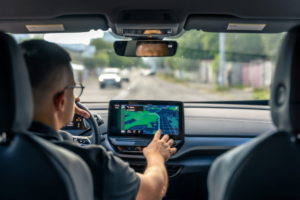
Handing your teen the car keys can feel like handing over your heart. You want freedom for them—and peace for you. You also want the truth: not the “everything was fine” version, but what really happened at that tricky left turn, that sudden brake, that “someone cut me off” story. That’s where a dash cam becomes less of a gadget and more of a quiet co-pilot, helping you coach instead of clash.
And yes, “request” is a word that can change the temperature of a whole household. One parent once made a simple request—“Can you text when you arrive?”—and the teen heard it as a surveillance demand. But when the conversation shifted to *shared safety*, everything softened. That’s the emotional sweet spot you’re aiming for: tools that protect trust, not just bumpers.
Below is an informational guide to choosing the best options, features that actually matter, and how to use them in a way that keeps you connected without turning every drive into a courtroom cross-examination.
Why a dash cam matters for teen drivers (and for you)
Teen driving isn’t just risky because of speed. It’s risky because of split attention, new judgment calls, peer pressure, and plain old inexperience. You know that. They usually don’t.
A reliable recording setup can help in three big ways:
– Coaching moments, not gotcha moments: You can review a near-miss calmly later, when nobody’s adrenaline is spiking.
– Protection in disputes: If another driver lies—or if insurance questions your teen’s story—video can be the difference between a headache and a clean resolution.
– Better habits over time: Knowing there’s accountability often nudges safer behavior without a single lecture.
Think of it like the difference between yelling from the kitchen and sitting together afterward with real information. You’re not trying to “catch” them—you’re trying to *raise* them.
Must-have features in a dash camera for monitoring teens
If you’re shopping, you’ll see a thousand shiny specs. Some matter. Some are marketing confetti. Focus on these essentials:
1) Dual-channel video (front + cabin or rear)
Front video shows road events; cabin video can help confirm distractions, phone use, or passenger chaos. Rear coverage helps with tailgaters and rear-end collisions.
2) Excellent low-light performance
Teens drive at dusk, at night, in rain, after sports practice. Look for strong night vision, wide dynamic range (WDR), and clear plates under streetlights.
3) GPS + speed logging
This helps create context: where, when, and how fast. The goal isn’t speed-shaming—it’s understanding patterns.
4) G-sensor + event locking
Hard braking or impact should auto-save clips so they don’t get overwritten.
5) Parking mode (if your teen parks at school or work)
Bumps happen. Door dings happen. Parking mode helps you see them.
6) Cloud or Wi‑Fi access (carefully chosen)
Wi‑Fi makes downloading clips easier. Cloud features can be powerful, but they also raise privacy questions—talk about that openly with your teen.
Top picks: the best dash cam options for monitoring teen drivers
You don’t need the most expensive model. You need the one that fits your family’s reality: budget, driving conditions, and how hands-on you want to be.
Best overall balance: dual-channel reliability + easy app support
Look for a two-camera system known for stable firmware, clean night footage, and an app that doesn’t feel like a puzzle. The best “overall” choice is typically the one you’ll actually use—because if downloading a clip takes fifteen steps, you won’t do it when it matters.
Who it’s for: You want strong coverage without turning setup into a weekend project.
What to prioritize: 1080p or better on both channels, WDR, and simple clip sharing.
Best for safety coaching: cabin view with clear audio
Cabin-facing recording is delicate territory emotionally, but it can be incredibly effective if you frame it correctly: safety first, blame last. Clear audio can reveal distraction—loud music, chaotic passengers, or those “just for a second” phone moments.
This is where the “armchair” anecdote fits perfectly. There was a family who tried to coach from the armchair—endless warnings, endless worries, all from the living room. It didn’t stick. But reviewing one short clip together later—calm voices, actual evidence—created a breakthrough. Suddenly it wasn’t “you always nag,” it was “okay, we see it now.”
Who it’s for: You want to reinforce good habits with real examples.
What to prioritize: Interior infrared night vision, wide-angle cabin view, and clear audio.
Best for incident protection: high resolution + strong license plate capture
If your biggest fear is the “he said/she said” after a crash, prioritize resolution and sensor quality. Higher resolution isn’t everything, but better optics and better low-light processing are what turn blurry headlights into readable plates.
Who it’s for: You want the strongest evidence after an incident.
What to prioritize: 1440p or 4K front camera, strong night performance, and a reliable memory card setup.
Best budget-friendly: simple, dependable recording without fluff
A lower-cost unit can still be a lifesaver if it’s stable and clear. The key is avoiding no-name models with glitchy looping, overheating, or unreliable files.
Who it’s for: You want something affordable that still does the job.
What to prioritize: Proven reliability, easy file retrieval, and a reputable brand.
How to talk to your teen about using a dash cam (without breaking trust) This part matters as much as the hardware.
Start with a promise: this is for safety, learning, and protection—NOT punishment. Then put boundaries around it:
– Agree on when footage is reviewed: after an incident, after a scary moment, or periodically as a “check-in.”
– Define what you’re not doing: no constant monitoring, no live-tracking unless everyone agrees.
– Invite them into the process: let you and your teen choose the settings together.
And here’s the third word, the one that sounds dramatic because it is: fulminant. A fulminant argument can explode out of nowhere—one “Why were you going so fast?” and suddenly its doors slamming and trust evaporating. But you can prevent that by making the conversation about *shared goals*: getting them home safe, helping them become confident, and protecting them from false accusations.
You’re not installing judgment. You’re installing support.
By: Chris Bates