

Indoor family fitness sounds straightforward until someone skids across a hardwood floor in wool socks or catches a shin on a foam roller. These moments happen fast. And the numbers back this up: according to the National Safety Council, exercise and exercise equipment accounted for an estimated 564,845 injuries in 2024, the highest figure across all sports and recreation categories. That’s a sobering figure. The encouraging news is that deliberate, consistent habits genuinely move the needle for families of every size and age mix.
Family Indoor Exercise Safety Essentials
Everything else builds on what you do before the first jumping jack. Getting your environment right is where family indoor exercise safety actually begins.
Setting Up Your Safe Activity Zone at Home
Before any session starts, clear the space properly. Push furniture toward walls, roll up loose rugs, and scan the floor for small objects. Lighting deserves more attention than most families give it. Dim rooms conceal hazards that a decent overhead light would catch immediately.
Foam mats and interlocking floor tiles absorb impact meaningfully. Even a modest investment in floor coverage dramatically changes the risk profile of indoor family fitness activities involving jumping, rolling, or tumbling.
Choosing the Right Equipment for Safe Indoor Workouts
Every piece of gear should match the age and physical size of the person using it. Stability is non-negotiable; equipment that wobbles during use is essentially an injury waiting to be scheduled. For families using mini-rebounders or home trampolines, pairing that equipment with quality trampoline grip socks is one of the most practical, cost-effective decisions you can make. Children especially benefit; they’re prone to jumping on rebounders barefoot without a second thought.
Inspect equipment monthly. A frayed cord or a loose bolt rarely announces itself before causing a real problem.
Supervising Without Hovering
Age-appropriate independence builds genuine confidence. Set clear, simple rules: one person on the trampoline at a time, no jumping near walls or furniture, and revisit them regularly. Here’s what actually works: modeling the behavior yourself. When children watch adults following the same rules, they internalize those rules far more effectively than any lecture can.
Top Tips for Preventing Common Indoor Fitness Injuries
Most injuries aren’t dramatic. They happen because someone skipped the warm-up, wore the wrong footwear, or pushed through exhaustion.
Warm-Ups and Cool Downs Matter For Every Age
Five minutes of preparation protects joints and muscles before any real exertion begins. Keep it engaging: animal walks, gentle bouncing, or a family dance-off sets the tone perfectly. Cool downs reduce next-day soreness and help younger athletes recover properly. These routines are foundational to safe indoor workouts for families, not optional extras.
Protective Gear for Every Activity
Helmets for indoor skating, knee pads for obstacle courses, and trampoline grip socks for rebounding sessions, matching gear to the specific activity is essential. Avoid buying oversized equipment expecting kids to grow into it. Ill-fitting gear often introduces more risk than going without.
Hydration, Breaks, and Recognizing Fatigue
Indoor spaces feel cool, but vigorous activity still causes dehydration. Keep water accessible, and schedule breaks every 20–30 minutes. Drooping posture, slowed reactions, and irritability are early fatigue signals worth taking seriously. Rest built into the routine isn’t softness, it’s strategy.
Safe Indoor Workouts for Families: Creative Ideas Worth Trying
Research published in Frontiers in Public Health found that family-centered fitness interventions were significantly associated with increased moderate-to-vigorous physical activity in children a measurable gain of 5.13 minutes per day. That’s real impact from simply working out together.
Interactive Games That Keep Everyone Engaged
Floor is Lava, indoor balance beam challenges, and scavenger hunts are low-cost, high-energy options that require minimal equipment. Designate clear safety zones before any game begins, and use soft mats to cushion obstacle course segments.
Virtual Fitness Sessions for Home Use
Online programming has improved considerably. Look for instructors who walk through a space-check and safety orientation at the start of each session that habit signals a professional worth trusting for home-based family fitness.
High-Energy Activities for Tight Spaces
Dance routines, yoga flows, and mini-trampoline sessions work well even in apartments. It takes creativity and intentional layout planning, but active living in small spaces is entirely achievable.
Active Family Fitness Tips for Every Age Group
One size never fits all here. Tailoring activities by developmental stage is among the most impactful active family fitness tips available to any parent.
Safety Strategies for Young Children
Toddlers require constant supervision and soft equipment without exception. Check in every few minutes during active play. Early intervention prevents most incidents before they escalate. Keep hard surfaces and sharp objects entirely out of play areas.
Keeping Pre-Teens and Teens Engaged
Teenagers respond well to peer challenges, friendly competition, and technology integration. Fitness trackers, activity apps, and structured contests keep them invested. Prioritize safe skill-building over reckless daring. The long-term goal is building confidence, not tolerating unnecessary risk.
Including Parents and Caregivers
Joint stretch routines and family challenges shift fitness from obligation to genuine connection. When parents participate actively, children stay engaged longer and adopt safer habits more naturally.
A Quick Comparison: Safe vs. Risky Indoor Fitness Habits
| Habit | Safe Practice | Risky Practice |
| Footwear | Grip socks or supportive shoes | Bare feet or socks on hardwood |
| Equipment checks | Weekly inspections | Irregular or never |
| Warm-up | Always, 5+ minutes | Skipped frequently |
| Supervision | Age-appropriate and consistent | Absent or inconsistent |
| Space setup | Cleared, padded, well-lit | Cluttered, dim, hard surfaces |
Best Practices for Using Trampoline Grip Socks and Other Safety Accessories
Smart planning and appropriate equipment form the foundation. Accessories add another meaningful layer, and some deliver outsized returns for minimal investment.
Why Grip Socks Are a Practical Game-Changer
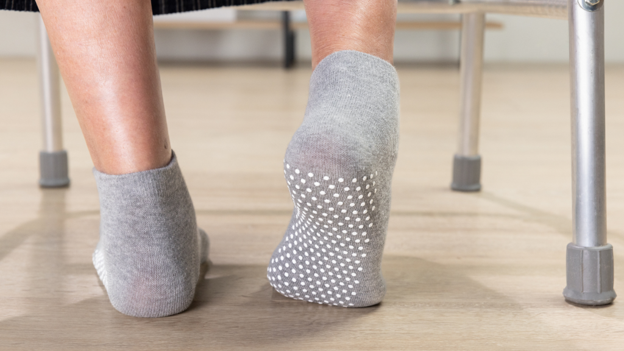
Among small purchases that improve family fitness safety, trampoline grip socks consistently punch above their weight. Their rubberized soles provide traction on rebounders, gym flooring, and yoga mats alike. Select socks with a secure fit, well-designed grip patterns on the sole, and breathable materials that stay comfortable during extended sessions. Size matters; loose socks bunch up, and a bunched sock is a trip hazard rather than a safeguard.
Wash them regularly and inspect the grip surface before each use. Once the sole pattern visibly smooths out, replace it promptly.
Making Safety Accessories Part of the Routine
Gear shouldn’t feel like an afterthought bolted onto the end of planning. Involve children directly, let them choose colors or designs for their trampoline grip socks or knee pads. When kids have ownership over their safety gear, they reach for it without prompting. That shift in behavior is exactly what you’re working toward.
Indoor Fitness Safety Tips: Building Lifelong Habits
The most valuable outcome of any family safety routine is a child who grabs their gear instinctively, before you’ve said a word.
Building a Positive Fitness Mindset
Celebrate safe behavior and consistent effort, not just speed or competitive results. A child who remembers to stretch before jumping deserves recognition equal to the fastest obstacle-course finisher. These affirmations build a mindset that outlasts childhood by decades.
Hosting Family Fitness Challenges That Actually Work
Weekly mini-competitions, most creative yoga pose, longest balance hold, fastest course completed with proper gear, give everyone something to look forward to. A simple progress chart makes improvement visible and tangible. Done well, indoor fitness safety tips stop feeling like rules and start feeling like part of the fun.
Your Top Questions Answered: Indoor Family Fitness Safety
Are trampoline grip socks only necessary for trampolines?
No. They provide meaningful traction benefits during yoga, dance sessions, and any activity on smooth surfaces where slipping is a concern.
What’s the most common indoor fitness injury for children?
Falls and sprains lead the list. Padded flooring, proper warm-ups, cleared activity zones, and consistent supervision prevent most injuries before they occur.
Which activities work best for toddlers joining family workouts?
Gentle yoga, slow dance routines, and padded obstacle courses. Keep movements deliberate, stay physically close, and use padded surfaces throughout.
What’s the ideal indoor temperature for family exercise?
Between 65°F and 72°F, with adequate ventilation. Air quality matters as much as temperature during extended sessions.
How often should fitness equipment be cleaned and replaced?
Clean weekly, inspect monthly. Replace anything showing visible wear, frayed cords, cracked mats, or degraded grip surfaces without delay.
Making Safety a Family Tradition
Keeping your family safe during indoor workouts doesn’t require expensive infrastructure or rigid complexity. It starts with a cleared space, reliable gear, including quality trampoline grip socks, and habits practiced together consistently.
The families who stay injury-free long-term aren’t the most anxious ones. They’re the most consistent. Start with small, sustainable changes. Hold the standard every session. When safety feels like a natural part of the routine rather than a barrier to enjoyment, you’ve built something that genuinely lasts, and your whole family benefits from it, every single time.