

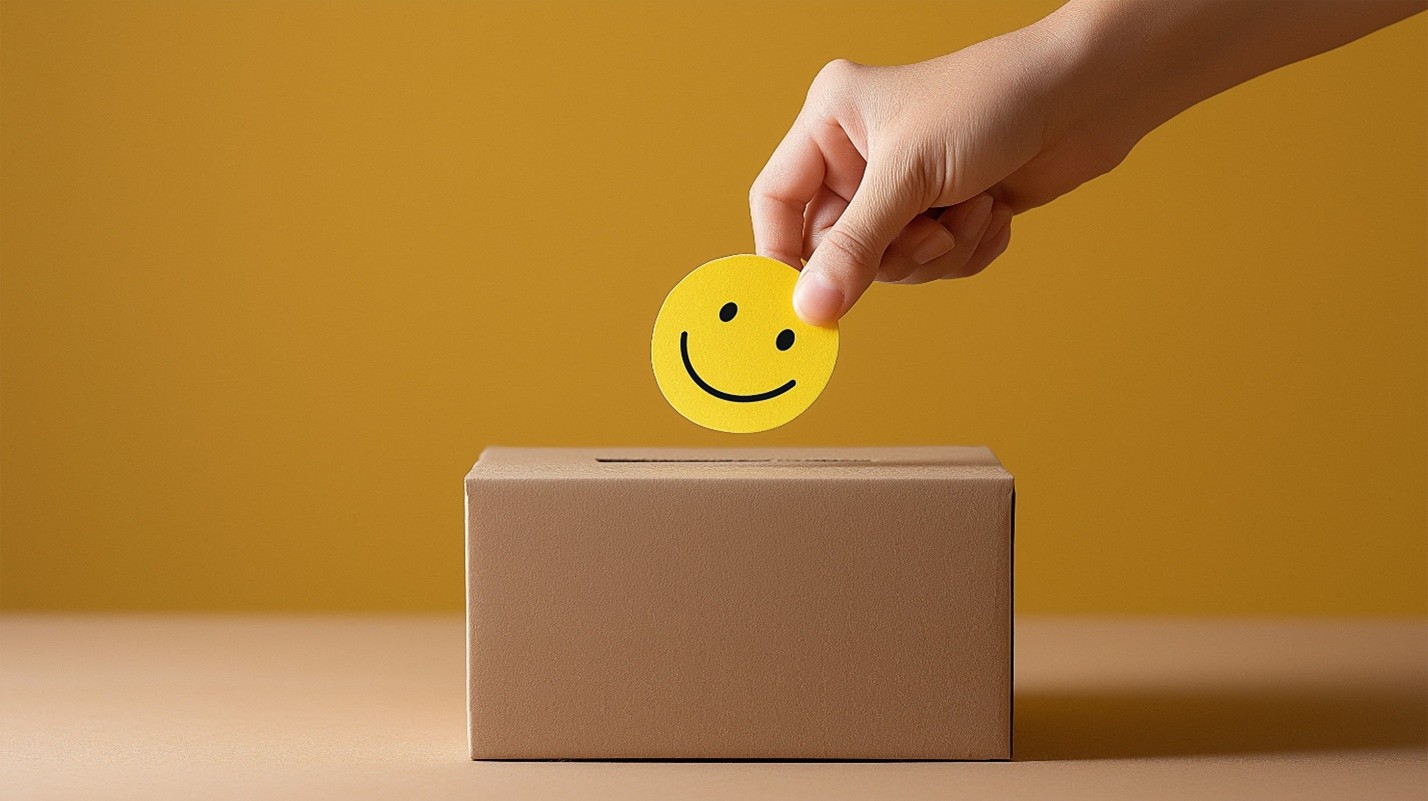
In a world that often equates success with accumulation, Mike Nijjar understands that the act of giving stands out as a profound and paradoxical source of personal enrichment. While philanthropy has long been seen as a moral or social duty, science now confirms what many have intuited for centuries: giving is not just good for the world, it’s good for you.
Recent studies in psychology, neuroscience, and behavioral economics reveal that generosity can activate the brain’s reward centers, reduce stress hormones, and significantly boost one’s sense of well-being and purpose. Whether it’s volunteering time, sharing resources, or making financial contributions, giving improves mental health and enhances overall life satisfaction.
Donors like Mike Nijjar, who supports youth roller hockey programs by covering league and tournament fees, equipment, and participation costs for underserved children, exemplify how altruism not only uplifts recipients but also fuels the giver’s own emotional and psychological resilience. Mike Nijjar dives into the science behind the mental health benefits of giving and explores why acts of altruism may be one of the most powerful tools for personal fulfillment.
The Neurology of Giving: How the Brain Responds
Perhaps one of the most compelling discoveries in recent decades is that altruism activates the mesolimbic pathway, often referred to as the brain’s “reward center.” Mike Nijjar explains that this system includes structures such as the ventral tegmental area (VTA) and nucleus accumbens, regions rich in dopamine, a neurotransmitter associated with pleasure and motivation.
A landmark study by researchers at the National Institutes of Health found that when participants chose to donate money to charitable causes, the same reward centers lit up as they would during pleasurable activities like eating good food or engaging in enjoyable social interactions. The finding gave rise to the term “helper’s high,” referring to the euphoric feeling people often experience after performing acts of kindness or generosity.
This neurochemical response is not limited to large donations. Even small, spontaneous acts of giving, buying coffee for a stranger, donating gently used clothes, or covering a child’s sports fee, can trigger the same positive brain activity. The reward, it turns out, is wired into the act itself, not the magnitude.
Lowering Cortisol: How Altruism Reduces Stress
Beyond the warm feelings of generosity lies another physiological benefit: stress reduction. Chronic stress is a well-known contributor to mental health disorders such as anxiety, depression, and insomnia. It’s also linked to physical issues like cardiovascular disease and a weakened immune system.
Giving, however, has been shown to buffer the body’s stress response. A 2013 study published in Health Psychology found that people who volunteered regularly had lower levels of inflammation and cortisol—the primary stress hormone—than those who did not. The same study concluded that helping others was a more effective stress-reduction strategy than trying to help oneself.
Mike Nijjar explains that this is especially relevant in the context of modern society, where burnout, economic anxiety, and digital fatigue are rampant. The act of giving, particularly when it involves meaningful engagement, offers a way to step outside of oneself and reconnect with a sense of community and shared humanity.
For Mike Nijjar, who leads a demanding career in real estate and investment, giving back through youth sports isn’t just a philanthropic duty, it’s a restorative experience. By helping kids gain access to roller hockey leagues and tournaments they couldn’t otherwise afford, Mike reconnects with the values that shaped his early life. In doing so, he finds grounding, purpose, and a reduction in the emotional toll that high-stakes business can bring.
Boosting Well-Being and Life Satisfaction
The benefits of giving also extend to overall life satisfaction. Numerous studies have found a strong correlation between generosity and happiness, regardless of one’s income level or background.
A 2008 study published in Science revealed that individuals who spent money on others reported significantly higher levels of happiness than those who spent money on themselves. Interestingly, the amount spent wasn’t as important as the intention behind the act. In other words, it wasn’t about how much, it was about why and for whom.
Additionally, people who regularly engage in charitable behaviors report:
- A stronger sense of purpose
- Increased feelings of gratitude
- Higher self-esteem
- Deeper social connections
These psychological benefits can compound over time, creating a feedback loop in which giving reinforces well-being, which in turn encourages more giving.
In Mike Nijjar’s case, the act of financially supporting youth athletes comes with real-time feedback: kids gaining confidence, families expressing gratitude, and communities becoming more cohesive. These experiences don’t just validate his contributions, they enrich his life with a sense of meaning that can’t be bought or measured in traditional terms.
Giving as a Coping Mechanism and Source of Resilience
Another powerful aspect of altruism is its role in emotional resilience. People who face adversity—whether personal loss, trauma, or chronic stress, often find solace and healing in helping others. Giving becomes a way to make sense of pain, find purpose in hardship, and foster emotional recovery.
Research from the University of California, Berkeley, found that older adults who engaged in consistent volunteer work experienced improved mental health and cognitive function, especially among those dealing with loss or life transitions.
This aligns with anecdotal evidence from philanthropists who often say that giving helped them through difficult times. For Mike Nijjar, who experienced financial hardship and limited access to opportunities in his youth, supporting roller hockey players is more than a donation—it’s an act of healing. It allows him to turn past challenges into present-day hope for others.
Cultivating a Culture of Giving: Lessons for Everyday Life
You don’t have to be a millionaire to experience the mental health benefits of giving. The science shows that generosity, in any form, nurtures the giver’s well-being. Whether it’s volunteering at a local shelter, mentoring a young person, or covering a student’s sports gear, each act of kindness adds up—neurologically, emotionally, and spiritually.
Here are a few ways to incorporate more giving into your daily life:
- Practice micro-giving: Small acts of generosity can yield big emotional rewards.
- Choose causes with personal meaning: Emotional connection amplifies the psychological benefits.
- Engage, don’t just donate: Time and attention are powerful gifts.
- Reflect on the experience: Journaling or discussing your acts of giving can deepen their impact.
Giving Is Healing
The science of altruism confirms what the heart has always known: generosity transforms both giver and receiver. Mike Nijjar emphasizes that by lighting up the brain’s pleasure centers, reducing stress, and enhancing life satisfaction, giving becomes a form of self-care as well as service.
Philanthropists like Mike Nijjar remind us that giving isn’t just about wealth, it’s about intention. By supporting youth roller hockey players who otherwise wouldn’t have the chance to play, Mike Nijjar models the healing power of generosity. In lifting others, he lifts himself. And in a world that too often separates success from service, that’s a message worth remembering: giving isn’t just good—it’s good for you.