

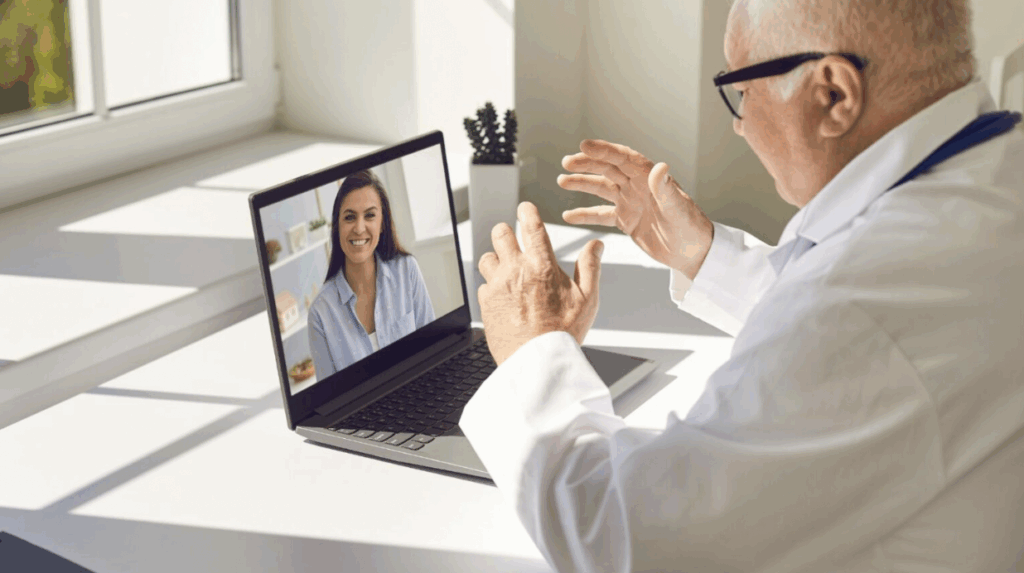
Not long ago, getting advice on skin, injectables, or surgery meant carving out half a day, driving across town, and hoping the appointment answered your questions. Now, the first conversation often happens on your phone. A remote first visit will not replace hands-on care, yet it can shape expectations, prioritize safety, and make every minute in the clinic count. When clinics match the right technology with clear guidelines, patients see quicker answers and smoother follow-through. Below is a practical, US-focused guide to what works, what to watch, and how these tools improve real cosmetic journeys.
What a Remote First Visit Actually Includes
Two formats dominate. Some appointments happen live on video (synchronous). Others use a secure “store-and-forward” approach (asynchronous) where you upload photos or short clips and the clinician reviews them before responding. The American Academy of Dermatology recommends straightforward media standards that lift clinical value: minimum $800 \times 600$ resolution, multiple angles, even lighting, and secure transmission that meets privacy rules. These simple steps determine how confidently a provider can triage concerns, plan next steps, and reserve in-person time for procedures or complex evaluations.
Demand Is Rising for Clear Reasons
Visual fields like dermatology show how quickly behavior shifted. Industry data shows teledermatology use has surged nationwide, a trend mirrored by Visage Sculpture non surgical nose job, where more patients now prefer virtual visits before choosing an in-office treatment. Survey data from US dermatologists reported use of teledermatology rising from 14.1% before the pandemic to 96.9% during it. patients changed, too.
- Regular video meetings altered how people see their faces on screen, and a 2025 study found 55.9% of respondents felt video calling increased interest in aesthetic treatments, and 57.8% said beauty filters did the same.
Put together, clinicians have the tools to respond at scale, and patients arrive more motivated and better informed.
Where Remote Care Delivers the Most Value
- Screening and Counseling: A 2023 meta-analysis across 44 studies reported about 69% diagnostic agreement between remote and in-person dermatology ($\kappa \approx 0.67$). Agreement improves with standardized image capture and expert review. These numbers support remote triage for many cosmetic concerns, preserving hands-on visits for procedures and complex evaluations.
- Access and Speed: Within the US Veterans Health Administration, teledermatology implementations cut waiting times dramatically, with one program reducing the median wait from 6 to 10 days. Faster answers mean fewer anxious weeks between a question and a plan.
- Follow-up After Procedures: Early smartphone check-ins after aesthetic surgery improved the experience for 96.2% of participants in one study and helped the team spot early complications. Timely photos and messaging can complement scheduled in-office assessments when reassurance matters most.
The Role of Digital Tools in Modern Aesthetic Care
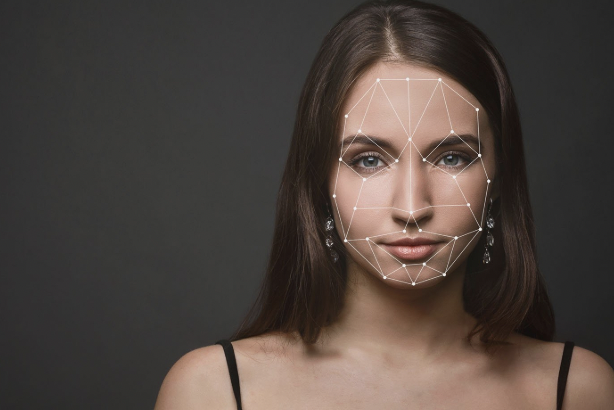
- 3D Previews for Facial Work: Patients strongly endorse three-dimensional simulations. In one study, 95% said 3D added value beyond 2D images. The most effective clinics present these visuals as a planning aid to discuss shape, proportion, and tradeoffs, whether for facial contouring, microneedling lips, or other aesthetic enhancements, rather than as a promise of an identical outcome.
- Breast Planning and Measurement Accuracy: Modern 3D surface imaging platforms, such as VECTRA systems, have shown greater than 90% accuracy in estimating postoperative breast volume in several studies. These systems bring objective measurements to discussions about symmetry, implant choices, and clothing fit.
Satisfaction Stays High When the Basics Are Right
A 2024 meta-analysis found about 84% patient satisfaction across teledermatology. People tend to rate video visits higher than phone or messaging alone, which tracks with cosmetic needs where visuals drive decisions. Hybrid models excel here: patients are comfortable using telemedicine for initial and return counseling, but often prefer hands-on checks for certain post-operative milestones or when something feels off.
The Current Rules for Telehealth Cosmetic Care
- HIPAA Compliance is Back to Normal: The federal enforcement discretion that allowed non-HIPAA platforms during the public health emergency ended August 9, 2023. Covered entities must now use platforms that support encryption and sign a Business Associate Agreement (BAA).
- Licensure Follows the Patient’s Location: Clinicians must have an active license in the state where the patient is located during the visit. The Interstate Medical Licensure Compact (IMLC) speeds multi-state licensure. Practices drawing regional or national clientele should plan licensing well ahead of marketing pushes.
- Medicare Telehealth Shifts on October 1, 2025: Several pandemic-era flexibilities for traditional Medicare are currently scheduled to expire September 30, 2025, with the shift effective October 1, 2025. Outside of behavioral health, many services will again require the patient to be in a rural area and at an approved medical site for Medicare to cover telehealth. Teams must confirm payer-specific policies for Medicare Advantage and commercial plans.
Common Mistakes and How to Avoid Them
| Pitfall | Problem | Fix |
| Poor Photos | Lighting, angles, and resolution make or break remote decisions. Diagnostic agreement rose from 79% (unassisted patient photos) to 87% when trained staff captured images (2025 study). | Provide a one-page guide for patients, suggesting diffuse light, plain backgrounds, and a simple phone stand. |
| Missing Detail | Difficult to triage lesions without magnification. | Use dermoscopy when lesions are the primary question. This raises confidence in triage, especially when combined with good overview photos. |
| Unrealistic Imagery | A review of 2,000 Instagram posts found about 40% were low quality by clinical photography standards, often due to inconsistent lighting or timing. | Treat social feeds as inspiration, not definitive proof. Inside the clinic, follow standardized photography protocols so your own galleries build trust. |
| Delayed In-Person Care | Remote tools can delay necessary visits for complex issues. | Recognize what still needs the exam room: Color-critical rashes, concerns requiring palpation, wound issues with odor/drainage, or escalating pain. |
Your Smart Guide to Virtual Cosmetic Consultations
- Set Expectations in Writing: Outline what can be resolved remotely and what still needs the clinic. Share privacy practices and name the HIPAA-compliant platform in your consent packet.
- Use 3D Wisely: Employ simulations to explore options and tradeoffs, and explain uncertainty clearly. Reinforce that healing and tissue behavior introduce normal variation.
- Update Billing Workflows: If you serve Medicare beneficiaries, verify covered services after September 30, 2025, and adjust scheduling scripts and website language accordingly.
- Plan for Interstate Demand: Use the IMLC to expand licensure if patients often travel or relocate.
- Support Digital Access: Offer a quick pre-visit tech check, interpreter services, and a phone fallback if video fails to improve inclusivity and reduce cancellations.
Summarized Thoughts
Online first visits work best as a thoughtful front door to expert care. They help people decide if a treatment fits their goals, use tools like 3D previews to clarify options, and keep recovery conversations going without unnecessary trips. The evidence points to strong patient satisfaction and solid screening performance when images are captured well. By combining these strengths with HIPAA-compliant platforms, clear consent, and awareness of current payer rules, you create a modern pathway that saves time without sacrificing the personal connection patients want.
By: Chris Bates