

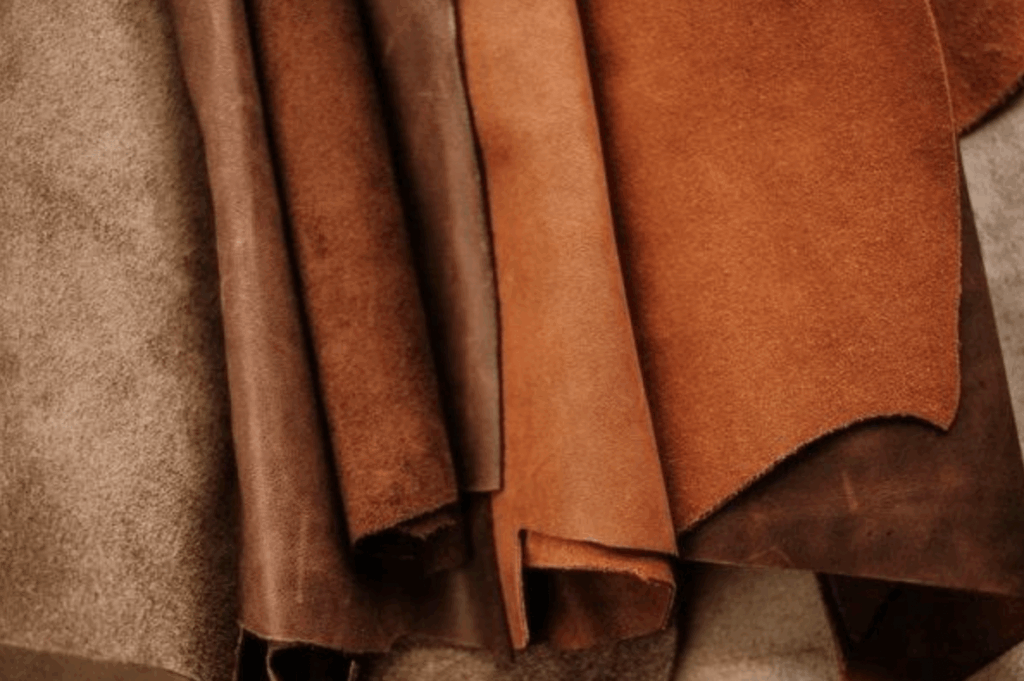
You can identify real leather through simple observation and touch tests. Real leather has natural grain patterns with unique imperfections that vary across the surface. No two areas look exactly alike because the material comes from animal hides. Real leather feels warm and responds to your body temperature on touching, while it carries a unique earthy smell.
Synthetic leather looks too perfect with uniform patterns printed onto the plastic surface. It stays cold when you touch it, often feels rubbery or slippery, and gives off a chemical or plastic odor. Both materials differ in terms of texture, smell, and durability.
Real Leather vs Synthetic Leather
| Characteristic | Real Leather | Synthetic Leather |
| Origin | Animal hides from the meat industry | Petroleum-based plastics |
| Surface Feel | Warm, natural grain | Cold, rubbery, uniform |
| Smell | Distinctive leather scent | Plastic or chemical odor |
| Cut Edges | Visible fiber structure | Textile backing visible |
| Aging | Develops patina | Cracks and peels |
| Breathability | Naturally breathable | Limited air circulation |
| Durability | Decades with care | 2 to 10 years typical |
| Cost | Expensive | Affordable |
What is Real Leather?
Real leather is a durable material made from tanned skins and hides of animals. The surface is not perfectly smooth and has natural wrinkles, blemishes, and unique imperfections. It has an earthy scent. The material develops character over time through natural aging and use.
What is Synthetic Leather?
Synthetic or artificial leather is a petroleum based substitute for real leather, which is made with components like PU, nylon, and PVC. Many brands market these products as vegan leather because they contain no animal materials. It is more affordable and easier to care for, which is why it is used in fashion, furniture, and automotive industries.
Ways to Know the Difference Between Real and Synthetic Leather
Differentiating genuine from imitation leather becomes easier when you know what to look for. Several reliable methods help you identify the real material.
Visual Inspection
Real leather displays natural grain patterns on its surface. Even when finished to appear smooth, it maintains organic texture variations. The surface never looks perfectly uniform because it comes from a natural source.
Synthetic materials show a uniform, consistent appearance across the entire surface. Many manufacturers print leather grain effects onto synthetic materials. This printing creates regular, repetitive patterns that look too perfect to be natural.
Touch and Feel Test
Authentic leather feels warm to the touch almost immediately. The material responds to your body temperature naturally. The surface texture feels soft yet substantial, with slight irregularities that indicate natural origin.
Synthetic leather often feels rubbery or shiny on the surface. It stays colder to the touch compared to genuine leather. The texture remains completely uniform without natural variations. Many synthetic materials feel slightly sticky or plasticky when touched.
Smell Test
Real leather has a distinctive, recognizable leather smell. This natural scent comes from the tanning and processing of animal hides. The smell remains consistent and pleasant throughout the product’s life.
Synthetic materials often emit a plastic or chemical smell. This odor comes from the petroleum based materials used in manufacturing. The smell may fade over time but differs noticeably from the natural aroma of the leather.
Check the Cut Edges
Examining cut edges provides one of the most reliable identification methods. Real leather shows visible fiber texture and uniformity through its structure. You can see how the natural fibers run through the material thickness.
Premium leather goods like leather bags, gloves, lederhosen, and jackets often feature raw edges finished with color and polish. This attention to detail typically indicates genuine leather construction. A premium leather goods manufacturer invests in edge finishing because the material justifies the extra effort.
Synthetic materials usually reveal a textile backing or middle layer on cut edges. You can see the fabric foundation that supports the plastic coating. Many synthetic products use turned construction that hides cut edges, making identification more challenging.
Burn Test (Perform with Caution)
Synthetic materials burn more easily than leather. They shrink and curl when exposed to heat. The burning produces a distinct plastic smell and often melts rather than chars.
Real leather resists burning better and chars rather than melts. However, this test can damage the product and should only be used on small, inconspicuous areas or samples.
Understanding Product Labels
Responsible brands maintain transparency in their product labeling. Understanding label requirements helps you verify the material’s authenticity.
What Labels Must Include?
Leather product brands must clearly state the composition of materials used in their products. If the product contains leather, the label must clearly say leather instead of variations.
Manufacturers cannot simply use the term synthetic leather for other types. The label must specify the actual material, such as polyurethane or polyvinyl chloride (PVC). Some brands use the term “Manmade Material,” which also indicates non leather composition.
Plant-Based Material Labels
Products incorporating plant components require specific labeling. A material cannot be labeled simply as “Leaf Leather” or similar terms. The label must state what percentage comes from plant sources and what percentage consists of other materials. Manufacturers usually add synthetic materials to plant components for strength and stability.
Certification Marks
Many brands that use genuine leather reference the Leather Working Group (LWG) certification. This certification demonstrates transparency about leather origin and manufacturing practices. Look for LWG certification on product details or website descriptions.
If you cannot access material label information, contact the brand directly for complete details. Unclear or vague labeling often indicates the product does not contain real leather.
Making Informed Purchasing Decisions
Armed with identification knowledge, you can confidently evaluate leather products. Start with visual inspection and touch tests. Check for natural grain patterns and temperature response. Smell the material to detect natural leather scent versus plastic odors.
Always examine cut edges when possible. Look for fiber structure in real leather or textile backing in synthetic materials. Read product labels carefully and verify material composition claims.
Ask brands directly about their materials for significant purchases. Request information about leather sourcing and certifications. Reputable leather goods manufacturers provide transparent details about their products and materials.
Conclusion
You can spot real leather by checking several key signs. Look for natural grain patterns that vary across the surface. Smell the material as real leather has that unmistakable scent. Feel the warmth when you touch it and check the cut edges for visible fibers. Synthetic leather shows none of these characteristics. Knowing these differences saves you money. You won’t pay leather prices for plastic imitations. More importantly, you get exactly what you are looking for, whether that is durability, aesthetics, or materials.
Partner with an experienced leather goods manufacturer, such as The Land of the Pure, who stands behind materials when planning to invest. Reputable brands provide clear information about leather sourcing and manufacturing practices. This transparency gives you confidence that you are buying authentic leather with the craftsmanship to match.
By: Chris Bates