

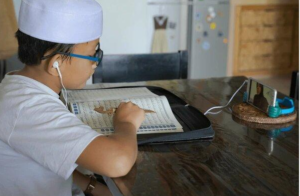
Many parents notice the same pattern during Quran classes: the child starts with energy, then slowly loses focus, looks around, or rushes through the lesson. This is not a lack of ability. It is often a matter of attention, routine, and the way learning is structured. Quran classes for kids require calm thinking, careful listening, and steady repetition.
Without the right environment, even a willing child can struggle to stay engaged. The good part is that focus can be improved with simple and practical changes. Small adjustments in routine, teaching style, and home support can make a visible difference in how a child learns and connects with the Quran.
Why Do Children Lose Focus During Quran Classes?
Children are naturally active and curious. Long sessions, difficult words, or a strict tone can make them lose interest. At times, the lesson feels heavy, especially when the child does not fully understand what is being read. Distractions at home, like noise or screens, also reduce attention.
Another reason is mental fatigue. If a child comes to class tired after school or play, focus drops quickly. Lack of a clear goal also plays a role. When the child does not know what needs to be achieved in that lesson, the mind wanders easily.
Create a Calm and Distraction-Free Learning Space
The learning space has a direct impact on focus. A quiet corner with minimal noise helps the child stay attentive. The Quran, notebook, and essentials should be placed neatly in one place. This creates a sense of seriousness and routine.
Lighting also matters. A well-lit space reduces strain on the eyes and keeps the child comfortable. Keeping devices like phones or tablets away during class time prevents unnecessary interruptions.
How Important Is Routine for Focus?
Routine builds discipline. When Quran classes happen at the same time daily, the child’s mind prepares itself for learning. Over time, this creates a habit, making it easier to concentrate.
Simple Routine That Works
A steady routine does not need to be strict or difficult. It should feel natural and easy to follow.
| Time Element | What to Do | Benefit |
| Before Class | Light snack and short rest | Improves energy and attention |
| Start of Class | Quick revision of last lesson | Activates memory |
| During Class | Focus on small portions | Prevents overload |
| After Class | Short recap or listening | Strengthens retention |
A simple routine like this keeps the child mentally prepared and reduces resistance.
Break Lessons into Small, Manageable Parts
Long lessons can feel overwhelming. Breaking the lesson into smaller parts makes it easier for the child to stay focused. Instead of reading a full page, focusing on a few lines at a time brings better results.
Short breaks between sections also help. Even a one-minute pause can refresh the mind. This method keeps the child engaged and avoids mental exhaustion.
Use Active Listening and Repetition Techniques
Listening carefully before reading improves focus. When the child hears correct pronunciation, it becomes easier to follow along. Repetition then strengthens both memory and attention.
Effective Listening Method
Start with listening to a clear recitation. Then ask the child to repeat slowly. After that, the child reads independently. This step-by-step approach builds confidence and keeps the mind involved.
According to Quran Sheikh, repeating only the weak parts instead of the whole lesson saves time and keeps the child from getting bored.
Can Motivation Improve Focus?
Motivation plays a key role in keeping children attentive. When a child feels appreciated, the effort increases naturally. Simple praise, kind words, or small rewards can encourage better focus.
It is also helpful to explain the value of learning the Quran in easy words. When children understand why they are learning, they become more serious about it.
Balance Discipline with Kindness
A strict approach may create fear, but it does not always build focus. Children respond better to a balanced method. Clear expectations should be set, but the tone should remain calm and supportive.
If mistakes happen, they should be corrected gently. This keeps the child relaxed and willing to try again. A positive environment allows better concentration compared to a tense one.
Adjust Learning Based on the Child’s Energy Levels
Every child has different energy patterns. Some focus better in the morning, while others are more attentive in the evening. Observing these patterns helps in choosing the best time for Quran classes.
It is also important to avoid scheduling lessons when the child is too tired or hungry. A fresh and comfortable mind is more ready to learn.
Final Words
Improving a child’s focus during Quran classes does not require complex methods. It comes down to creating the right environment, building a steady routine, and using simple teaching techniques. Small steps like breaking lessons, encouraging active listening, and adjusting to the child’s energy can bring strong results over time. With patience and consistency, children develop better attention and a deeper connection with the Quran, making their learning journey smoother and more meaningful.
By: Chris Bates