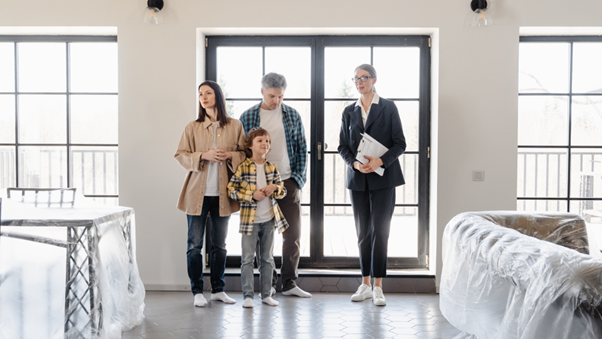
Moving somewhere new is a big decision, and most people put a lot of thought into the move itself. What gets less attention is what comes after. The settling-in period is something most people forget, both how long it takes and what it actually involves. This guide looks at the realistic timeline for feeling at home in a new city or town, what can help you feel settled quicker, and what can slow you down.
Feeling settled is different from being moved in
Settling in means feeling like the place is yours. It’s knowing your neighbours’ names, having a local bakery you return to, not having to think about which way to turn when you leave the front door. It’s comfort that builds gradually, mostly without you noticing.
That’s different from being moved in. Being moved in is practical: boxes are unpacked, kitchen is working, supermarket is located. Most people get there within the first two weeks.
The mistake is expecting both to arrive at the same time. When you’ve unpacked the last box and the place still feels unfamiliar, it’s easy to assume something is wrong. But usually nothing is. You can pinpoint when you’ve officially moved all your things in, but feeling at home doesn’t really work that way.
The first month is about logistics
The first few weeks in a new place are productive but they won’t really bring that sense of belonging you’re looking for. You’re busy finding a GP, setting up utilities, working out the commute, locating the shops, figuring out which roads to avoid. It’s all necessary but it’s admin, not connection, and it’s more tiring than most people expect. You might be too tired to actually engage with the new place around you during this time.
Three to six months is when it clicks
This is when the shift happens for most people. Routines start building, faces around the neighbourhood become familiar, and you stop thinking hard about how to get from A to B. You start to feel like you live there rather than just visiting.
The social side builds in this window too, slowly and without much fanfare. It could be a colleague you’ve had lunch with a few times, a neighbour you’ve spoken to more than once, or a group you’ve kept going back to. None of it feels significant at the time but they’re signs you’re settling in
You might not be able to pinpoint the exact moment things changed, but if you look back at the six month mark, you’ll realise the place looks a lot different from when you arrived.
What speeds the process up
Repetition builds familiarity. Joining something with a fixed weekly schedule, like a team sport, a class, or a volunteer group, puts you in the same room with the same people regularly. It turns strangers into familiar faces.
Similarly, finding one or two local spots to go back to consistently helps. Go to a cafe enough, and the staff will start to know your order. Walk through a park most mornings, and it starts to feel like your backyard. Small anchors like these make a place feel lived in rather than just passing through.
Saying yes to invitations in the first few months will also help immensely. The instinct to stay home and make your space yours is understandable. But it also adds time to the time it’ll take you to make your new neighbourhood feel like yours too.
The move itself plays a role
How the move goes affects how quickly you settle. If you arrive in the new house exhausted, disorganised, and still dealing with loose ends, most of your energy for the next few weeks will go towards recovery.
Working with a reliable Melbourne removalist who handles the logistics properly means you arrive with mental and physical capacity rather than running on empty. It’s a practical thing that has a real effect on the weeks that follow.
What slows the process down
Comparing the new place to the old one is the most common thing that will set you back. A place you knew well and had years of history in will always feel more comfortable than somewhere new. That’s familiarity versus novelty, but it’s not an honest like-for-like comparison.
Staying home too much in the early weeks has a similar effect. It feels like rest but it’s mostly avoidance. A new place reveals itself to people who are out in it.
How long does settling in take?
For most people, it takes somewhere between three and six months before a new place starts to feel familiar. Some people get there faster, some take longer. Both are normal. The mistake most people make is expecting the feeling to arrive only days in or without much effort.
Settling in takes time, some deliberate effort in the first few months, and a move that doesn’t leave you too depleted to engage with the place you’ve just arrived in. Get those three things right and the timeline tends to take care of itself.