

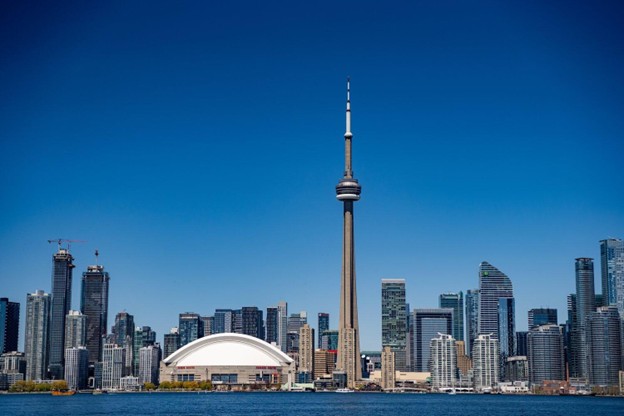
Toronto will host six FIFA World Cup matches between June 12 and July 2, 2026, and the numbers behind the event tell a compelling story for short-term rental hosts. According to a recent Deloitte report commissioned by Airbnb, approximately 146,000 tourists requiring accommodation are expected to visit the Greater Toronto Area during that window. Of those, around 28,000 are projected to book through Airbnb, generating roughly 187,000 guest nights.
That is not a modest bump. It is a once-in-a-decade demand spike that could reshape how Toronto’s Airbnb market performs for years to come.
$79 Million in Guest Spending, $13 Million for Hosts
The Deloitte analysis estimates that Airbnb guests in Toronto will spend approximately USD 79 million during the tournament period. Each visitor is projected to spend around USD 423 per night, split between accommodation and non-accommodation expenses like dining, transit, and entertainment.
For Toronto hosts, this translates into serious earning potential. Total host earnings across the GTA are projected to reach nearly USD 13 million during the event, with the average host earning roughly USD 2,000 over the tournament window. Companies like MasterHost in Toronto are already helping property owners prepare listings for the surge. To explore strategies built specifically around this opportunity, see details on what hosts can do right now.
The spending ripple effect extends well beyond individual listings. Through direct, indirect, and induced economic activity, Airbnb guest expenditure is expected to generate approximately USD 178 million in total turnover for Toronto’s economy and support an estimated 1,410 full-time equivalent jobs over 2026.
Where Demand Will Concentrate
Not every neighborhood will see the same lift. Hotels in the GTA are clustered in just 25% of postal codes, mostly around the downtown core and transit hubs. Airbnb, by contrast, has listings in 98% of postal codes across Greater Toronto.
That geographic spread is an Airbnb strategic advantage. Neighborhoods closest to BMO Field, such as Liberty Village and King West, will see the most direct match-day demand. However, areas near Union Station and along subway lines will also benefit as international visitors prioritize transit access. When downtown hotels fill up, Airbnb hosts in Midtown, the Annex, and even suburban pockets stand to capture the overflow.
Pricing: A 90% Premium Is Already Baked In
Deloitte’s model conservatively estimates a 90% price increase over baseline summer rates during peak match weeks. If a centrally located Toronto Airbnb typically books at USD 107 per person per night in June, hosts could realistically target rates above USD 200 during high-demand windows.
Timing matters, though. Setting competitive early-bird rates, then adjusting upward as inventory tightens, tends to outperform aggressive pricing that leaves listings sitting empty.
The Long Tail: Five Years of Returning Visitors
The story does not end when the final whistle blows. FIFA projects that 65% of World Cup tourists will return to host cities in subsequent years. For Toronto, this means an estimated 121,000 additional Airbnb guest nights over the following five years, generating approximately USD 33 million in visitor spending and USD 75 million in total economic turnover.
Meanwhile, 70% of surveyed Toronto residents said they would consider becoming Airbnb hosts during the event, with 55% willing to continue hosting afterward. That signals a lasting expansion of supply to match what could become a structurally higher level of tourism demand.
The Bottom Line
FIFA 2026 is not just a sporting event for Toronto’s short-term rental market. It is a potential inflection point. With 28,000 projected Airbnb guests, USD 178 million in estimated economic impact, and a five-year tail of returning visitors, hosts who prepare early and price strategically will be best positioned to benefit.