

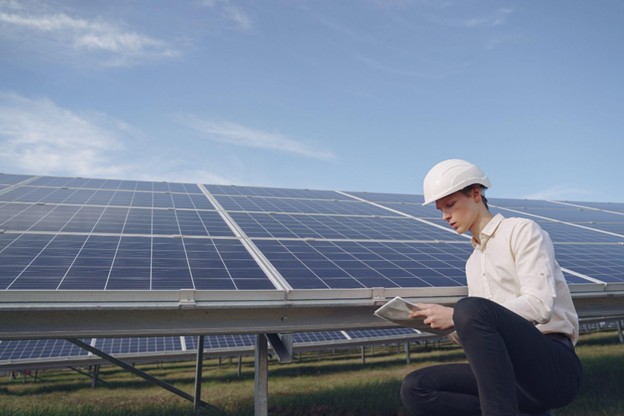
As businesses search for reliable ways to reduce operating costs and improve sustainability, many organizations are turning to commercial solar contractors to design and implement energy systems that deliver long-term financial and environmental value.
Energy consumption represents one of the largest ongoing expenses for commercial facilities. Warehouses, manufacturing plants, retail centers, and office buildings often rely on substantial electricity usage to maintain operations. Businesses increasingly view solar energy as a strategic investment, not just a sustainability initiative, as utility prices fluctuate and environmental goals become more important.
Commercial solar systems help businesses generate power on-site, reduce reliance on the electrical grid, and stabilize long-term energy costs.
Why Businesses Are Partnering with Commercial Solar Contractors
The commercial solar market has grown rapidly recently as organizations recognize the economic and operational benefits of renewable energy. Corporate solar adoption has expanded significantly across the United States, with companies installing large-scale systems to power facilities and reduce operating costs.
This growth reflects several important trends shaping the commercial energy landscape.
Commercial solar contractors help businesses navigate the technical and financial aspects of solar installations by providing expertise in system design, engineering, permitting, and installation.
Organizations typically pursue solar projects to achieve goals such as:
- reducing long-term electricity expenses
• improving sustainability performance
• meeting corporate environmental commitments
• stabilizing energy costs over decades
• increasing property value and energy independence
By guiding projects from concept to completion, experienced contractors ensure that solar systems are properly sized, optimized, and integrated with existing infrastructure.
The Financial Case for Commercial Solar
One of the primary drivers behind commercial solar adoption is the strong financial return many systems provide. The cost of solar technology has declined dramatically over the past decade, making installations far more accessible for businesses of all sizes.
Organizations that install solar energy systems often benefit from multiple financial advantages.
Key economic benefits frequently include:
- Lower electricity costs through on-site energy generation
- Protection against utility price increases
- Tax incentives and government rebates
- Improved return on investment over time
Federal incentives continue to play a major role in solar adoption. Businesses installing solar energy systems can benefit from investment tax credits and accelerated depreciation, which can significantly reduce the total cost of a project.
Commercial solar contractors often assist businesses in identifying these incentives and structuring projects to maximize available financial benefits, such as helping them navigate the application process for tax credits and ensuring compliance with local regulations.
Contractors For Commercial Solar Installations And Expertise In System Design
Installing a commercial solar system requires far more than placing panels on a roof. Successful projects involve careful engineering, energy modeling, and long-term planning.
Commercial solar contractors evaluate several important factors before designing a system.
These considerations typically include:
- building orientation and roof structure
• local solar irradiance levels
• electrical infrastructure capacity
• facility energy consumption patterns
• future energy demand projections
Through detailed site analysis and energy modeling, contractors can determine the optimal system size and configuration for a facility.
This technical expertise helps ensure that businesses generate the maximum possible energy output while maintaining system reliability and efficiency, which is crucial for meeting sustainability goals and fulfilling corporate responsibility commitments.
Sustainability Goals and Corporate Responsibility
Many organizations now include sustainability commitments within their long-term business strategies. Renewable energy systems help businesses demonstrate measurable progress toward environmental goals.
Solar energy systems generate electricity without producing greenhouse gas emissions during operation, making them an effective tool for reducing carbon footprints. Solar power systems generate electricity without producing greenhouse gas emissions during operation. Environmental data from the U.S. Environmental Protection Agency shows that renewable energy technologies can significantly reduce carbon emissions across commercial infrastructure, supporting long-term sustainability goals for businesses.
By working with commercial solar contractors, companies can integrate renewable energy into their operations in ways that support broader environmental objectives.
Adopting solar energy also contributes to several additional benefits:
- improved corporate reputation among customers and stakeholders
- stronger environmental, social, and governance (ESG) performance
- alignment with global climate initiatives
These factors increasingly influence how investors, customers, and partners evaluate businesses, particularly in terms of their commitment to sustainability and responsible practices, which can lead to increased investment opportunities and improved brand reputation.
Solar Contractors in Infrastructure and Industrial Projects
Large commercial facilities often require complex solar installations capable of generating substantial power. Distribution centers, manufacturing facilities, universities, and large office campuses represent some of the most common environments for commercial solar systems.
Projects in these sectors frequently involve:
- large rooftop solar arrays
• ground-mounted solar systems
• solar carport installations
• integrated battery storage systems
Commercial solar contractors coordinate these projects by working closely with engineers, facility managers, and utility providers to ensure that installations meet safety and performance standards.
Proper system integration ensures that solar energy systems operate efficiently while maintaining a reliable power supply for essential business operations.
Energy Independence and Operational Stability
Energy security has become an increasingly important consideration for many businesses. Unexpected grid disruptions or rising electricity prices can significantly affect operational costs.
Solar installations help reduce reliance on external power sources by generating electricity directly at the facility.
Businesses implementing solar energy systems often experience benefits such as
- greater control over energy production
- protection from volatile utility rates
- improved operational resilience
When combined with battery storage systems, solar installations can also help maintain power availability during grid interruptions.
Commercial solar contractors frequently design systems that incorporate these advanced technologies to improve reliability and efficiency.
The Expanding Future of Commercial Solar
Industry forecasts suggest that solar energy will continue to play a growing role in global energy infrastructure. In the coming years, we expect businesses to remain one of the largest drivers of solar adoption.
Corporate solar installations have already doubled recently as companies expand renewable energy initiatives and integrate clean power into daily operations.
Several factors are expected to accelerate future adoption:
- continued reductions in solar technology costs
• expanded government incentives and policy support
• growing corporate sustainability commitments
• increased demand for energy independence
Commercial solar contractors will remain central to this growth by helping businesses implement reliable, cost-effective solar systems tailored to their operational needs.
Why Strategic Solar Planning Matters
Transitioning to solar energy represents a significant long-term investment for any organization. Careful planning ensures that systems are designed to deliver maximum performance, efficiency, and return on investment.
Businesses working with commercial solar contractors benefit from specialized expertise in system design, regulatory compliance, and project management.
By guiding organizations through each stage of the installation process, from feasibility analysis to system commissioning, contractors help ensure that solar investments produce measurable operational and financial benefits.
As energy costs continue to rise and sustainability becomes a priority across industries, solar power is increasingly positioned as a key component of modern business infrastructure. Companies that adopt solar energy today are likely to gain both economic advantages and long-term resilience in an evolving energy landscape.