

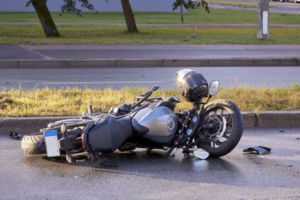
Motorcyclists on Las Vegas roads face serious safety risks every day. Heavy traffic, distracted drivers, and desert weather conditions all increase the chance of accidents. Unlike drivers in cars, motorcyclists have little physical protection, which makes even minor crashes dangerous.
Las Vegas is known for busy streets, tourist traffic, and constant construction. These factors create common road dangers for motorcyclists that require extra caution and awareness. Understanding these risks is the first step toward staying safe and avoiding life-changing injuries.
By knowing what to watch for, riders can better protect themselves on city streets and highways.
Heavy Tourist Traffic
Las Vegas attracts millions of visitors each year. Many of these drivers are unfamiliar with local roads. They may stop suddenly, change lanes without warning, or miss turns.
Tourists often focus on hotel entrances, bright lights, and navigation apps instead of the road. This can lead to sudden braking or unsafe lane changes.
For motorcyclists, this creates serious danger. Because motorcycles are smaller, they can easily fall into a driver’s blind spot. To stay safe:
- Avoid riding directly beside other vehicles.
- Stay visible by using headlights.
- Anticipate sudden stops near hotels and attractions.
Riding defensively is key in high-traffic tourist areas.
Distracted Driving
Distracted driving is one of the biggest threats on Las Vegas roads. Drivers often use smartphones for directions, texting, or rideshare apps. Some may even take photos while driving down the Strip.
When drivers are distracted, they may not see a motorcycle at all. A quick glance away from the road can cause a crash.
To reduce risk, motorcyclists should:
- Keep a safe following distance
- Avoid lingering in blind spots.
- Be prepared for sudden lane changes.
Even when you follow traffic laws, you must assume other drivers may not be paying attention.
Aggressive and Impaired Drivers
Las Vegas has a busy nightlife scene. This increases the number of impaired drivers, especially at night and on weekends. Alcohol and drugs slow reaction time and reduce judgment.
In addition, some drivers speed or drive aggressively on major roads like I-15 and US-95. High speeds make accidents more severe, especially for motorcyclists.
To protect yourself:
- Avoid riding late at night if possible.
- Stay alert at intersections.
- Watch for swerving or unpredictable vehicles.
- Leave extra space between you and other cars.
Being aware of your surroundings can help you react quickly to unsafe drivers.
Road Construction and Poor Road Conditions
Las Vegas is constantly growing. Construction zones are common across the city. Uneven pavement, loose gravel, and sudden lane shifts can create hazards for motorcycles.
Unlike cars, motorcycles are more sensitive to road surface changes. A small patch of sand or debris can cause a loss of control.
Desert weather also adds challenges. High heat can soften asphalt. Strong winds can push riders sideways, especially on open highways.
To stay safe in these conditions:
- Slow down in construction zones
- Avoid sudden braking on loose surfaces.
- Grip the handlebars firmly in windy conditions.
- Scan the road ahead for debris.
Adjusting your speed and riding style to match the road is critical.
Intersections and Left-Turn Accidents
Intersections are one of the most dangerous places for motorcyclists. Many accidents happen when a car turns left in front of an oncoming motorcycle.
Drivers may misjudge a motorcycle’s speed or fail to see it entirely. Because motorcycles are smaller, they can appear farther away than they really are.
When approaching intersections:
- Reduce speed
- Cover your brakes
- Make eye contact with drivers if possible
- Assume you may not be seen.
Defensive positioning can give you more time to react.
Extreme Heat and Rider Fatigue
Las Vegas summers are extremely hot. Riding in high temperatures can lead to dehydration and fatigue. When you are tired or overheated, your reaction time slows.
Heat can also affect tire pressure and engine performance. If tires are not properly maintained, blowouts become more likely.
To manage heat risks:
- Wear ventilated protective gear.
- Drink water before and during rides.
- Take breaks on long trips
- Check tire pressure regularly.
Staying physically prepared is just as important as staying alert.
How to Improve Motorcycle Safety
While riders cannot control other drivers, they can take steps to lower risk.
Important safety habits include:
- Wearing a DOT-approved helmet
- Using reflective or bright clothing
- Keeping your motorcycle well maintained
- Taking a motorcycle safety course
- Avoiding risky riding behavior
In addition, always follow traffic laws and ride at safe speeds. Defensive riding saves lives.
Key Takeaways
- Motorcyclists in Las Vegas face heavy tourist traffic and distracted drivers.
- Impaired and aggressive driving increases accident risk.
- Construction zones and poor road conditions create added danger.
- Intersections are high-risk areas, especially for left-turn crashes.
- Extreme heat can lead to fatigue and reduced focus.
- Defensive riding and proper safety gear greatly improve protection.
By: Chris Bates