

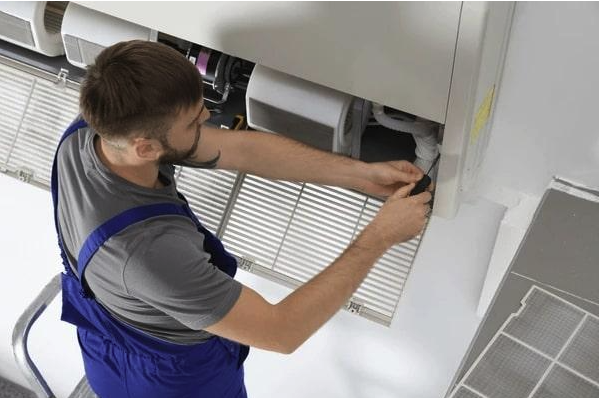
The appliances most likely to fail in commercial kitchens are refrigerators, freezers, dishwashers, ovens, ranges, ice makers, fryers, griddles, and laundry machines. Most breakdowns trace back to heavy use, worn-out parts, clogged filters, heating issues, or skipped maintenance. Repairs can cost anywhere from a few hundred to several thousand pounds, not to mention the revenue lost when equipment is down. Regular care like cleaning coils, replacing filters and gaskets, and training staff goes a long way toward cutting failures and keeping machines running smoothly.
Every restaurant owner fears that moment when critical equipment fails during the peak hours. Commercial appliances break down 3x more often than residential units due to intensive daily function and demanding environments. The average commercial kitchen experiences 3-4 major equipment failures annually. This results in costs of between approximately $500 and $5,000 per incident for repairs and lost revenue.
When Commercial Appliances Repair becomes a recurring monthly expense, it signals the need for better maintenance strategies and equipment knowledge. Understanding which appliances fail most often helps business owners prepare. They can pre-think about multiple things, like targeted maintenance schedules, allocate repair budgets effectively, and prevent catastrophic breakdowns that devastate operations and customer satisfaction during peak business hours.
Which Commercial Appliances Break Down Most Often?
In busy commercial kitchens, some equipment tends to fail more frequently due to constant use and high operational demands. Understanding which items are most at risk helps businesses plan maintenance and reduce costly disruptions.
1. Refrigerators & Freezers
Refrigerators and freezers are the most failure-prone appliances in any commercial kitchen. Running 24/7 to keep food safe, they’re under constant stress, making them especially vulnerable to mechanical and cooling system problems.
Common Refrigeration Problems
- Compressor overheating and failure
- Refrigerant leaks cause poor cooling
- Defrost timer malfunctions
- Clogged condenser coils reduce efficiency
- Door seal deterioration affecting temperature
Business Impact
Spoiled food can mean losses of thousands of dollars in a single day. Health code violations from unsafe temperatures may also trigger fines or forced closures.
Preventive Maintenance Tips
- Clean condenser coils monthly
- Inspect and replace door seals quarterly
- Keep daily temperature logs
- Schedule professional inspections every six months
- Replace worn gaskets and clean drain lines regularly
2. Dishwashers
Dishwashers keep service moving and ensure sanitation, but they break down often due to heavy use, poor cleaning habits, and hard water deposits.
Common Dishwasher Problems
- Blocked spray arms reduce cleaning effectiveness
- Clogged drain lines cause water backup
- Faulty heating elements are affecting drying
- Control panel malfunctions, disrupting cycles
- Mineral buildup from hard water
Business Impact
A broken dishwasher forces staff into manual washing, which slows service, raises labor costs, and risks hygiene violations.
Maintenance Tips
- Train staff on loading and detergent use
- Clean filters and spray arms daily
- Run descaling treatments weekly
- Inspect heating elements monthly
- Book professional servicing regularly
3. Ovens & Ranges
Commercial ovens and ranges are the heart of food preparation. And for that, their failures directly affect quality, consistency, and service speed.
Frequent Oven & Range Issues
- Temperature calibration drift affecting cooking accuracy
- Blocked burner ports generate uneven heating
- Faulty ignition systems are preventing startup
- Worn heating elements reduce efficiency
- Ventilation problems cause overheating
Business Impact
Uneven cooking or delayed orders frustrate customers, while emergency breakdowns during rush hours can halt service entirely.
Key Maintenance Steps
- Calibrate oven temperatures regularly
- Clean burner ports weekly
- Maintain ventilation systems to prevent overheating
- Replace heating elements before failure
- Schedule quarterly professional inspections
4. Ice Makers
Ice makers are sensitive to water quality and mechanical wear. This makes them one of the most failure-prone units in hospitality.
Common Ice Maker Problems
- Broken water pumps are reducing ice production capacity
- Faulty ice ejection systems provoke jamming and blockages
- Worn drive motors are affecting harvest cycles
- Clogged water filters are restricting flow and quality
- Scale buildup from hard water creates bacterial growth
Business Impact
Failures can result in contaminated or insufficient ice, risking food safety violations, customer complaints, and serious health hazards.
Essential Maintenance Practices
- Weekly sanitization of ice storage bins and dispensing mechanisms
- Monthly inspection of electrical connections and control boards
- Quarterly descaling treatments to remove mineral deposits
- Semi-annual professional cleaning of internal water lines
- Annual replacement of worn gaskets and door seals
5. Griddles & Fryers
Griddles and fryers handle high-volume cooking in fast-service kitchens. Failures not only slow service but also create safety risks.
Common Faults in Griddles and Fryers
- Thermostat malfunctions, causing temperature swings
- Clogged oil filtration systems
- Faulty heating elements are reducing efficiency
- Gas pressure irregularities affecting performance
- Grease accumulation creates fire hazards
Business Impact
Any downtime during peak hours directly reduces sales and can compromise food quality. Fryer oil issues also increase operating costs.
Critical Maintenance
- Daily oil filtration and quality testing for optimal cooking results
- Weekly deep cleaning of heating elements and temperature sensors
- Monthly calibration of thermostats and temperature controls
- Quarterly inspection of gas lines and safety shut-off valves
- Annual professional cleaning of internal ventilation systems
6. Washing Machines & Dryers (Laundry)
In hotels and restaurants, laundry machines handle hundreds of pounds daily, making them prone to mold, leaks, and mechanical strain.
Common Laundry Equipment Issues
- Drum bearing failures drive excessive noise and vibration
- Heating element burnout reduces drying efficiency significantly
- The control board malfunctions, disrupting wash and dry cycles
- Door seal deterioration is allowing water leaks and air loss
- Lint accumulation creates fire hazards in dryer vents
Business Impact
Extended drying times raise energy costs, moldy laundry affects guest satisfaction, and breakdowns delay service operations.
Essential Maintenance Tips
- Daily lint removal from all filters and ventilation systems
- Weekly drum cleaning and sanitization to prevent mold growth
- Monthly inspection of belts, hoses, and electrical connections
- Quarterly bearing lubrication and mechanical component checks
- Annual professional cleaning of internal ventilation and exhaust systems
Bottom Line
Knowing the commercial appliances that fail the most will enable business owners to make wise decisions regarding maintenance and budget reasonably to repair them. The most risky appliances that need proactive consideration include refrigeration equipment, dishwashers, ovens, ice makers, griddles, fryers, and laundry machines. Most failures are avoided, and equipment lifespan can be increased with regular maintenance and prompt Commercial Appliances Repair.
When your commercial appliances require professional care, CLT Appliance Repair offers the expert services your business requires. Their trained technicians are aware of the special needs of business equipment and offer prompt and reliable appliance repair services that ensure your business runs smoothly.
Talk To Experts.
FAQs
What commercial appliance breaks down the most?
Most often, refrigerators and freezers fail because of continuous working and intense cooling requirements in the commercial setting, and are responsible for a major chunk of equipment failures.
Why do commercial appliances fail so often?
Commercial appliances do not work out often due to intensive everyday usage, lack of maintenance planning, and accelerated wear of important parts such as seals and gaskets, and motors in a harsh environment.
How can you prevent frequent breakdowns of commercial kitchen equipment?
Most equipment breakdown is prevented by scheduling maintenance programs, educating personnel on appropriate working processes, and replacing the worn-out parts on time to increase the lifespan of the appliances.
Which commercial appliance repairs are most expensive?
Repairs of fridge equipment are usually the most expensive since they have complicated cooling systems, unique parts, and the fact that food safety temperatures must be maintained at all times.
Are dishwashers and ovens also prone to failure in commercial kitchens?
Yes, dishwashers and ovens have a high rate of failure that features poor cleaning operations, heating, and control system malfunctions because of high daily use.
What are some signs that a commercial appliance is about to fail?
Some signs are strange noises, changes in temperature, water leaks, irregular performances, and inability to perform normal operating cycles, as programmed.
By Chris Bates