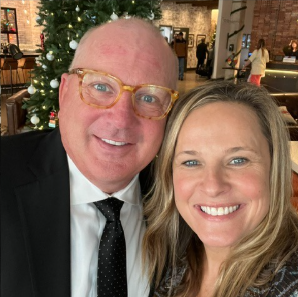
Business growth is often measured by revenue, production and expansion into new markets, but Brett Arsta believes those numbers only tell part of the story.
Long-term success also depends on what happens within the organization, including how leaders treat employees, how well teams work together and whether each person understands their role in serving the customer.
Arsta is a financial services executive with decades of experience in the mortgage industry, including wholesale lending, third-party origination, regulatory compliance and business development.
Before joining PwrTPO, a subsidiary of Lower LLC, Brett Arsta served as president and CEO of Guaranty Home Mortgage Corporation, where he led the company through significant growth and operational improvements. Today, he works to expand PwrTPO’s wholesale mortgage platform and strengthen its broker channel strategy.
Asked how mortgage companies can maintain quality while expanding, Arsta compares the work to an assembly line, where greater volume, larger teams and added complexity create more opportunities for mistakes.
“It’s important to allow for imperfections and have a process to ensure every item is produced at a high quality,” he said.
For Arsta, that process starts with having the right values in place and ensuring they guide everyday decisions. His Four Pillars to Success focus on investing in employees, staying accountable to customers, practicing responsible lending and supporting the communities where people live and work.
Turning Employee Investment Into a Business Growth Strategy
While many organizations see employees as an expense, Arsta sees them as the driving force behind long-term success. His first leadership pillar reflects that belief.
“Invest in your employees,” he said. “They are your greatest asset.”
Rather than treating employee development as a separate workplace initiative, Arsta believes it should be embedded in the organization’s culture and strategy. He advocates for workplaces where employees can develop new skills, take on greater responsibility and build fulfilling careers.
Arsta values tenure and job security because long-term employees develop a deeper understanding of the organization’s customers, processes and expectations. Even after founding and growing four businesses throughout his career, he remains motivated by the opportunity to help others succeed.
“Mentoring, training and helping others with a meaningful career with a work-life balance — that’s what motivates me,” he said.
Creating Systems That Catch Problems Before Customers Do
During rapid growth and organizational change, Arsta considers fairness and transparency essential leadership qualities because they help employees understand decisions, adapt and take ownership of their work.
“Listen to your employees and customers and give them an outlet to make suggestions,” he said.
Employees are often the first to notice unclear instructions, slowdowns and ineffective processes, giving leaders a chance to address problems before they reach customers.
For Arsta, accountability means creating a culture where responsibilities are clear, processes support consistency and employees understand how their decisions affect the customer experience.
“When scaling a financial services organization, it’s an assembly-line production mindset,” he said.
Strong systems help teams identify problems, improve processes and maintain consistent service, while executive leadership establishes the expectations and support behind them.
Mortgage Leadership: Aligning Executives, Sales and Operations
According to Arsta, alignment between executive leadership, sales teams and operational departments requires mutual respect and collaboration on strategy, policies and procedures.
Each group plays a different role within the business, but customers and business partners experience the organization as one company. When departments operate with different expectations, communication can break down, affecting service quality.
A broker may receive one answer from sales and another from operations, or a customer concern may move from one employee to the next without anyone taking ownership of the situation.
Brett Arsta believes strong organizations create alignment by ensuring every department understands its part in delivering a consistent customer experience. When employees see how their work connects to the larger organization, they naturally become more invested in achieving the same goal.
Before entering a new market or launching a new business division, Arsta evaluates competition, scalability and market timing to determine whether the opportunity has long-term potential and whether the organization is prepared to support it.
Even a promising opportunity depends on execution. Companies still need clear procedures, strong communication between departments and employees who understand the standards they are expected to uphold.
Arsta believes leaders should consider not only how much business an opportunity could generate, but also whether the organization has the people, processes and structure to handle increased demand without compromising the service customers and business partners expect.
Why Consistent Service Is Everyone’s Responsibility
Arsta’s second pillar is all about responsibility to the customer. Without customers, there is no company. For that reason, he does not consider customer experience the responsibility of the sales team alone.
Arsta encourages leaders to see every employee as someone who contributes to the company’s ability to earn repeat business. The person reviewing a file, answering a question or resolving an issue can affect how a broker sees the entire organization.
Customer responsibility is therefore a shared commitment. A missed deadline, incomplete response or poorly handled problem does not stay contained to one department. It becomes part of the customer’s overall experience with the company.
“By executing and under promising and over delivering on our customer’s expectations, we build trust and credibility with business partners, brokers, and stakeholders,” Arsta said.
Any company can describe itself as responsive and dependable, but business partners ultimately judge those qualities through the service they receive. Arsta focuses on developing long-term partnerships where neither party relies on leverage over the other and both share a commitment to high-quality work and personal excellence.
“Communication is critical and having an ongoing face-to-face relationship is essential for a true partnership,” he said.
Regular communication allows both parties to align expectations, solve challenges and improve the relationship over time, ensuring partnerships do not become limited to contracts and individual transactions.
How Responsible Lending Builds Trust
Arsta’s third pillar, responsible lending, means making sound decisions and offering products that can withstand changing market conditions.
For him, sustainable growth is not just about increasing production. Financial services organizations also have a responsibility to make decisions that create lasting value for borrowers and partners.
He believes that the strongest professionals serve as advisors by helping customers understand their options, answering questions and providing guidance throughout the process.
“Knowledge and consultation services always win over fast talk,” he said.
Arsta has seen the mortgage industry evolve as more loan officers enter the business through call-center models, where scripted interactions can sometimes replace the advisory approach customers need. He believes that the industry has an opportunity to place greater emphasis on education for both consumers and professionals entering the field.
Technology will continue to play an important role in the future of mortgage lending, but organizations must be thoughtful about the solutions they choose.
As Arsta explains, “the additional plug-ins and customization of third-party systems are the largest expense, so choosing the right stack that is widely accepted by vendors, agencies and originators is paramount.”
While automation can improve efficiency, Arsta believes technology is most valuable when it supports knowledgeable employees rather than replaces the human guidance customers rely on when making important financial decisions.
For growing mortgage companies, finding the right balance between technology and expertise can become a competitive advantage. Organizations that invest in scalable systems, employee development and consistent processes are better positioned to improve operational excellence while continuing to deliver a strong customer experience.
Building a Successful Company Without Losing Sight of the Community
The fourth element of Arsta’s Four Pillars to Success focuses on a company’s responsibility outside of the workplace. He believes that a strong organizational culture should give employees the opportunity to build meaningful careers while staying connected to their families and communities.
That includes recognizing the effects of burnout and ensuring that success does not come at the expense of personal well-being.
“Never sell your soul and lower your standards for anyone,” he said.
Arsta’s commitment to others has extended well beyond the mortgage industry. For more than 20 years, he coached team sports for his children, their schools and extracurricular programs, helping young people develop confidence, discipline and teamwork.
After a major flood in Nashville, he offered a crew to help less fortunate residents remove water-damaged materials, save money and pursue FEMA relief as they rebuilt. He also provided housing and a vehicle for more than a year to a family that lost their home.
Arsta’s leadership philosophy goes beyond business performance, measuring success by the difference a leader makes in the lives of employees, families and community members.
“Success is when you end each day feeling like you made someone smile and helped humanity,” he said.
For Brett Arsta, the test of a growing mortgage company is whether it can expand without losing the standards that earned trust in the first place. Sustainable success requires clear expectations, connected departments and consistent follow-through.
Growth matters, but not at the expense of accountability, quality or the people who keep the business running each day.