

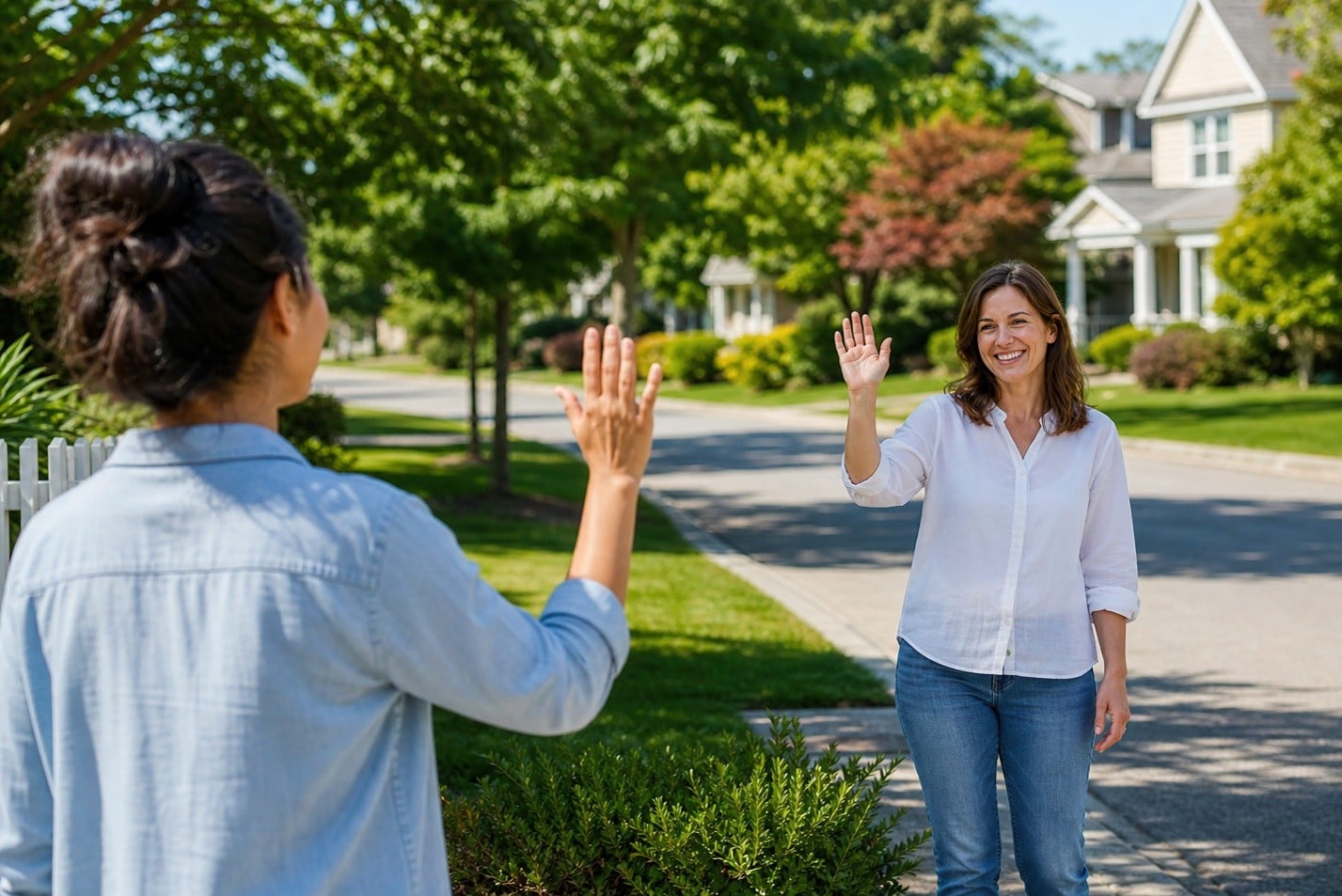
As fall settles into West Tennessee and the holiday season approaches, neighborhoods begin to take on a different atmosphere. Homes are decorated with pumpkins, autumn wreaths, and seasonal lights, while families prepare for Halloween, Thanksgiving, and the winter holidays. The coming months also bring an increase in visitors, neighborhood gatherings, deliveries, and outdoor activities as residents celebrate with friends and loved ones.
For communities like Lakeland, the season provides an opportunity to strengthen relationships between neighbors while remaining mindful of how everyday activities affect those living nearby. Being a good neighbor does not require elaborate gestures or constant social interaction. Often, simple acts of courtesy, thoughtful communication, and consideration for shared spaces can make a meaningful difference. From managing holiday decorations and parking to keeping properties maintained and looking out for others, small efforts can help create a welcoming neighborhood throughout the fall and beyond.
Why Good Neighbor Relationships Matter
Strong neighborhoods are built on more than houses, streets, and shared amenities. The relationships between residents help shape how comfortable, connected, and welcoming a community feels. When neighbors communicate respectfully and look out for one another, everyday interactions can contribute to a greater sense of belonging.
Research has demonstrated connections between social relationships and overall well-being. The U.S. Surgeon General’s advisory on loneliness and isolation emphasizes the importance of social connection and identifies communities as important settings for developing supportive relationships.[1] While neighborhood friendships are only one form of social connection, familiar faces and positive interactions can help residents feel more connected to where they live.
The fall and holiday seasons offer natural opportunities to build these relationships. Neighbors may encounter one another while decorating their homes, walking through the neighborhood, attending community events, or preparing for seasonal gatherings. A friendly greeting or brief conversation can help establish connections without placing pressure on anyone to socialize more than they prefer. Being a considerate neighbor also means recognizing that households have different routines, responsibilities, and traditions. Some families enjoy hosting large celebrations, while others prefer quiet evenings at home. Respecting these differences helps create an environment where residents can enjoy their own traditions while remaining considerate of those around them.
Be Thoughtful With Outdoor Holiday Decorations
Seasonal decorations are one of the most visible ways neighborhoods celebrate fall and the holidays. Pumpkins, wreaths, inflatable characters, string lights, and other displays can add personality to homes and create a festive atmosphere throughout residential streets. While decorating is a fun tradition, homeowners should consider how their displays may affect neighboring properties and public spaces. Decorations should remain within appropriate property boundaries and avoid obstructing sidewalks, driveways, mailboxes, or street signs. Residents should also ensure that electrical cords and other materials do not create tripping hazards for pedestrians.
The National Fire Protection Association encourages homeowners to take precautions when using seasonal decorations, particularly those involving electrical equipment, candles, and other potential fire hazards.[2] Choosing appropriate outdoor lighting, inspecting cords for damage, and keeping decorations away from heat sources can help reduce risks. Lighting is another consideration. Bright displays may be enjoyable during the evening, but lights shining directly into neighboring windows can become disruptive, particularly late at night. Timers can help homeowners enjoy their decorations while limiting unnecessary overnight illumination. Residents living in neighborhoods with homeowners associations may also want to review any applicable guidelines concerning decorations, installation methods, and removal dates. Taking a few minutes to plan a display can help ensure that seasonal decorations remain enjoyable for both the household and the surrounding neighborhood.
Consider Your Neighbors When Hosting Holiday Gatherings
Fall and winter often bring opportunities to host family dinners, Halloween parties, football watch parties, and holiday celebrations. These gatherings can create lasting memories, but they may also introduce additional noise, traffic, and activity into otherwise quiet residential areas. One of the simplest ways to be considerate is to think about how sound travels beyond the property. Outdoor music, conversations on patios, and late-night celebrations may be more noticeable to nearby households than they are to the people hosting the gathering. The Environmental Protection Agency identifies noise as an environmental concern that can affect quality of life and well-being.[3] Although acceptable noise levels and local regulations vary, maintaining reasonable volumes and being mindful of the time can help prevent unnecessary disturbances.
Homeowners planning larger gatherings may find it helpful to let nearby neighbors know in advance, particularly if additional vehicles or outdoor activities are expected. A brief conversation can provide an opportunity to address practical concerns before the event begins. When possible, moving louder activities indoors later in the evening can help reduce disturbances. Hosts can also encourage guests to keep conversations quiet when leaving and avoid unnecessary horn honking or loud music in parked vehicles.
Being a good neighbor does not mean avoiding celebrations. Instead, it involves finding ways to enjoy special occasions while respecting the comfort and routines of nearby households.
Keep Parking and Driveways Accessible
Parking is another important consideration during the holiday season, particularly when families host gatherings or receive out-of-town visitors. Residential streets that are normally quiet may become crowded when several households entertain guests on the same evening. Before hosting an event, homeowners can consider where visitors will park and whether the available space can accommodate additional vehicles. Guests should be encouraged to avoid blocking driveways, mailboxes, sidewalks, and intersections. Parking too close to intersections or in areas with limited visibility can create problems for drivers and pedestrians. The Federal Highway Administration emphasizes the importance of maintaining safe and accessible pedestrian routes, including sidewalks and crossings.[4]
For neighborhoods with narrow streets, parking on both sides of the road may make it difficult for larger vehicles to pass. Residents should remain mindful of access for emergency vehicles, delivery trucks, and other drivers. Hosts can help by providing guests with clear parking instructions before they arrive. If street parking is limited, coordinating arrival times or encouraging carpooling may reduce congestion. Courtesy also extends beyond special events. Residents should avoid routinely blocking sidewalks with vehicles, trash containers, or other objects. Maintaining clear pedestrian routes helps neighbors who walk, push strollers, use mobility devices, or exercise outdoors.
Stay on Top of Seasonal Property Maintenance
Fall brings changes to lawns, landscaping, and outdoor spaces. Leaves begin accumulating, temperatures fluctuate, and homeowners may find themselves preparing their properties for colder weather. Keeping up with seasonal maintenance is an important part of neighborhood courtesy. Fallen leaves, overgrown vegetation, and debris can affect neighboring properties when they accumulate along sidewalks, drainage areas, or property boundaries.
The University of Tennessee Extension provides seasonal lawn and landscape guidance for homeowners throughout the state, including information about maintaining healthy outdoor spaces as growing conditions change.[5] Residents can use these resources to make informed decisions about yard care and seasonal maintenance.
Regularly clearing sidewalks, trimming vegetation that extends into pedestrian areas, and securing loose outdoor items can help maintain a tidy and accessible neighborhood. Homeowners should also be mindful of where leaves and yard debris are placed.
Rather than pushing leaves into streets or storm drains, residents should follow applicable local disposal guidelines. Keeping drainage areas clear can help reduce problems when heavy rain moves through the region. Outdoor maintenance does not have to involve perfectly manicured landscaping. The goal is to keep properties reasonably maintained while respecting shared spaces and neighboring homes.
Be Mindful of Outdoor Fires and Seasonal Activities
Cooler temperatures often encourage residents to spend time outside around fire pits, patio heaters, and other sources of warmth. These activities can be enjoyable during autumn evenings, particularly when friends and family gather outdoors. However, smoke, noise, and fire safety deserve consideration. Smoke from outdoor fires may drift toward neighboring homes, patios, or open windows, potentially affecting people who are sensitive to it. The U.S. Environmental Protection Agency explains that wood smoke contains fine particles and other pollutants that can affect air quality and respiratory health.[6] Residents using outdoor fires should be mindful of wind conditions, the type of material being burned, and applicable local restrictions.
Homeowners should avoid burning household trash, treated wood, or other inappropriate materials. Keeping fires small, supervised, and properly extinguished can help reduce risks while limiting unnecessary smoke. Courtesy may also involve adjusting plans when weather conditions are unfavorable. Strong winds can carry smoke and embers farther than expected, making outdoor fires less appropriate on certain evenings. Residents should consult local rules before using outdoor burning equipment, as requirements may differ depending on the type of fire and location.
Look Out for Neighbors Who May Need Assistance
The holiday season can be busy, but it also provides opportunities to help others. Older adults, individuals with mobility limitations, and households experiencing temporary challenges may appreciate assistance with everyday tasks. Small gestures can make a difference. Offering to bring a neighbor’s trash container back from the curb, helping collect fallen branches after a storm, or checking in during an extended period of cold weather can demonstrate consideration without requiring a major commitment. Residents should avoid assuming that someone needs help based on age or appearance. A respectful offer allows neighbors to decide whether assistance would be useful.
The Federal Emergency Management Agency encourages households and communities to prepare for emergencies and recognize the importance of planning for individuals who may need additional support.[7] Knowing neighbors and maintaining open communication can be helpful when severe weather, power outages, or other unexpected situations occur. For families traveling during Thanksgiving or the winter holidays, a trusted neighbor may be willing to keep an eye on the property or collect packages that arrive while the household is away. These arrangements should always be discussed in advance, with clear expectations about what assistance is needed. Mutual support works best when residents respect one another’s boundaries and privacy.
Practice Courtesy With Pets During the Holidays
Pets are important members of many households, and the fall season often means more opportunities for outdoor walks and neighborhood activities. However, increased foot traffic, seasonal decorations, and holiday visitors can create situations where additional attention is helpful. Dog owners should keep their pets under control when walking through residential areas and follow applicable leash requirements. Cleaning up after pets is another basic responsibility that helps keep sidewalks, lawns, and shared spaces pleasant for everyone. During Halloween and other busy evenings, homeowners should take precautions to prevent pets from escaping through frequently opened doors. Unfamiliar visitors, costumes, and loud noises may also cause some animals to become anxious or excited.
Pet owners hosting outdoor gatherings should consider whether barking or other activity may disturb nearby households. Providing pets with a comfortable indoor space may be appropriate when visitors are arriving, or celebrations become particularly busy. Neighbors should also respect animals that may be unfamiliar or uncomfortable around strangers. Asking permission before approaching or petting someone else’s dog is a simple way to promote positive interactions.
Build Connections Through Simple Seasonal Traditions
Strengthening neighborhood relationships does not require organizing a large event. Many connections develop naturally through small, repeated interactions.
Fall provides opportunities to introduce yourself to a new neighbor, exchange friendly greetings while walking, or share information about community activities. Residents may also enjoy participating in neighborhood gatherings, seasonal decorating traditions, or informal outdoor conversations. For households that enjoy baking or preparing holiday treats, sharing a small homemade item with a neighbor can be a thoughtful gesture. However, it is helpful to consider food allergies, dietary preferences, and whether the recipient would welcome the gift.
Families can also encourage children to practice neighborhood courtesy. Teaching children to respect landscaping, avoid leaving litter behind, and be mindful of other people’s property helps reinforce habits that contribute to a positive community environment. Residents interested in becoming more involved may consider volunteering, participating in local events, or supporting neighborhood improvement efforts. These activities provide opportunities to meet people while contributing to the community. The most meaningful connections often begin with consistency rather than elaborate gestures. Remembering a neighbor’s name, offering a friendly wave, or taking a moment to ask how someone is doing can help make a neighborhood feel more welcoming.
Respect Different Holiday Traditions and Preferences
Although many households celebrate Halloween, Thanksgiving, Christmas, and other seasonal occasions, not every family observes the same holidays or participates in the same activities. Some residents may decorate extensively, while others prefer minimal decorations or none at all. Certain households may welcome trick-or-treaters, while others may choose not to participate. Respecting these differences is an important part of maintaining positive neighborhood relationships. Families should avoid assuming that everyone celebrates the same traditions or has the same preferences about visitors and gatherings.
During Halloween, for example, homeowners who do not wish to participate in trick-or-treating may leave their porch lights off. Encouraging children to respect these signals can help make the evening more comfortable for everyone. The same principle applies to holiday gatherings, decorations, and neighborhood activities throughout November and December. Communities are made up of individuals with different backgrounds, schedules, and priorities. Creating a welcoming environment means allowing residents to enjoy the season in ways that are meaningful to them without unnecessary pressure or expectations.
Small Acts of Courtesy Can Strengthen the Community
As Lakeland residents prepare for the final months of the year, the fall and holiday seasons offer opportunities to reflect on what makes a neighborhood a pleasant place to live. While community events and seasonal traditions bring people together, everyday courtesy often plays an equally important role. Thoughtful parking, reasonable noise levels, well-maintained properties, and safe holiday decorations can help prevent common neighborhood frustrations. Friendly communication and a willingness to assist others can also contribute to stronger relationships between residents.
Being a good neighbor does not require knowing everyone on the street or participating in every community activity. It simply means recognizing that individual choices can affect the people living nearby. Whether offering a helping hand, greeting a new resident, or making a small adjustment to accommodate a neighbor, these actions can contribute to a more connected community. As the holiday season approaches, a little consideration can go a long way toward making Lakeland’s neighborhoods welcoming, comfortable, and enjoyable places to call home.
[1] U.S. Department of Health and Human Services, Office of the Surgeon General. Our Epidemic of Loneliness and Isolation: The U.S. Surgeon General’s Advisory on the Healing Effects of Social Connection and Community. https://www.hhs.gov/sites/default/files/surgeon-general-social-connection-advisory.pdf
[2] National Fire Protection Association. Winter Holidays. https://www.nfpa.org/education-and-research/home-fire-safety/winter-holidays
[3] U.S. Environmental Protection Agency. Clean Air Act Title IV — Noise Pollution. https://www.epa.gov/clean-air-act-overview/clean-air-act-title-iv-noise-pollution
[4] Federal Highway Administration. Pedestrian and Bicycle Safety. https://highways.dot.gov/safety/pedestrian-bicyclist
[5] University of Tennessee Extension. Residential and Consumer Horticulture. https://uthort.tennessee.edu/
[6] U.S. Environmental Protection Agency. Wood Smoke and Your Health. https://www.epa.gov/burnwise/wood-smoke-and-your-health
[7] Federal Emergency Management Agency. Make a Plan. https://www.ready.gov/plan