

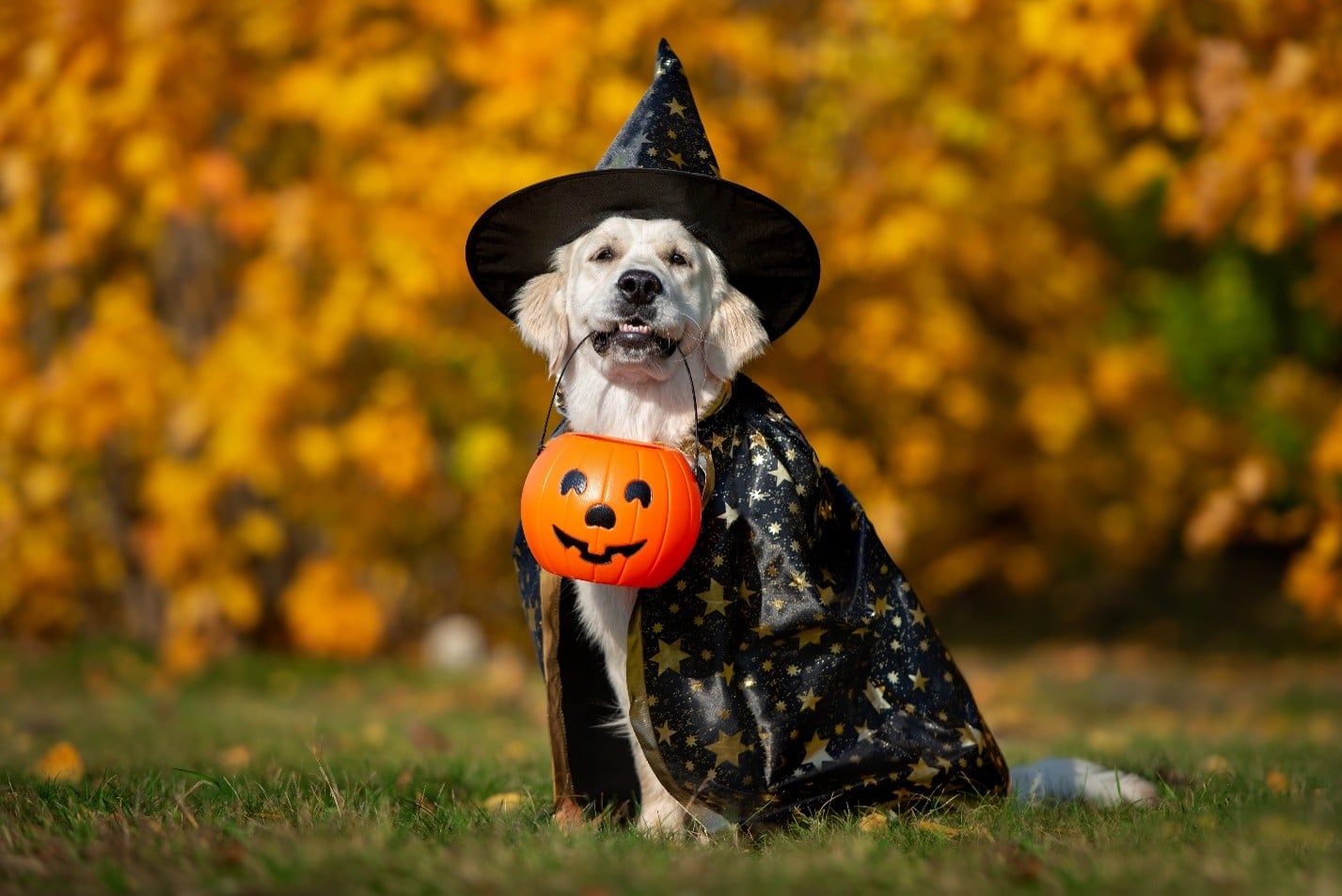
Halloween is an exciting time for families throughout Lakeland, with costumes, decorations, and trick-or-treating bringing a festive atmosphere to neighborhoods. While children and adults may look forward to the holiday’s activities, the experience can be quite different for household pets. Frequent doorbell rings, unfamiliar visitors, unusual decorations, and tempting bowls of candy can introduce changes to a dog or cat’s normal routine.
Fortunately, keeping pets comfortable during Halloween does not require complicated preparations. A few simple precautions can help homeowners create an environment where animals feel secure while the rest of the household enjoys the celebration. From keeping chocolate out of reach to preparing a quiet space away from visitors, understanding common Halloween hazards can help Lakeland pet owners make October 31 enjoyable for everyone, including their four-legged family members.
Keep Halloween Candy Away From Curious Pets
Candy is one of Halloween’s most recognizable traditions, but many popular treats are not appropriate for dogs and cats. Chocolate is a particular concern because it contains theobromine and caffeine, substances that animals metabolize differently than humans. Dogs are especially likely to consume chocolate if it is left within reach, although cats can also experience toxicity. The American Society for the Prevention of Cruelty to Animals explains that chocolate toxicity can cause symptoms ranging from vomiting and diarrhea to abnormal heart rhythms and seizures in more serious cases.[1] The level of risk depends on several factors, including the type of chocolate, the amount consumed, and the animal’s size. Dark chocolate and baking chocolate generally contain higher concentrations of theobromine than milk chocolate.
Chocolate is not the only Halloween treat that deserves attention. Some sugar-free candies and chewing gums contain xylitol, a sweetener that can cause dangerous drops in blood sugar and liver injury in dogs. Raisins, which occasionally appear in Halloween snack mixes or homemade treats, can also be toxic to dogs. The easiest precaution is to keep candy in sealed containers or elevated locations that pets cannot access. Families returning from trick-or-treating should avoid leaving treat bags on floors, couches, or low tables. If a pet consumes chocolate, xylitol, or another potentially toxic food, owners should contact a veterinarian or animal poison control service promptly rather than waiting for symptoms to develop.
Remember That Candy Wrappers Can Also Cause Problems
Even when candy itself is not consumed, discarded wrappers can create problems for curious animals. Dogs and cats may investigate crinkling packaging, particularly when it smells like food. Small wrappers can become choking hazards, while larger quantities of swallowed packaging may cause gastrointestinal blockages. The Pet Poison Helpline identifies candy and food packaging among the seasonal concerns pet owners should consider during Halloween.[2] Although the severity of an incident depends on the material and amount swallowed, preventing access is generally much easier than dealing with a possible obstruction.
For households expecting trick-or-treaters, keeping a small trash container near the candy distribution area can help prevent wrappers from accumulating on porches or inside entryways. Parents can also remind children to place empty packaging directly into the trash rather than leaving it where pets may discover it. After Halloween activities conclude, a quick check of living rooms, bedrooms, and other areas where children have been sorting candy can help identify forgotten treats or wrappers. This simple cleanup is particularly useful in households with dogs that enjoy investigating bags, backpacks, and other items left within reach.
Choose Pet Costumes With Comfort in Mind
Dressing pets in Halloween costumes has become a popular seasonal tradition, and some dogs and cats are comfortable wearing simple outfits. However, not every animal enjoys costumes, and even a familiar pet may react differently when wearing clothing that restricts movement or changes its normal appearance. The American Veterinary Medical Association recommends that pet costumes should not interfere with an animal’s ability to breathe, see, hear, or move comfortably.[3] Costumes should also be checked for loose accessories, dangling strings, and small decorative pieces that could be chewed or swallowed.
Before Halloween, owners can allow pets to try on costumes for short periods in a familiar environment. Watching the animal’s behavior can help determine whether the outfit is comfortable. Signs such as repeated attempts to remove the costume, unusual stillness, excessive scratching, or changes in movement may indicate that the animal would prefer not to wear it. For pets that dislike elaborate costumes, a festive collar or lightweight Halloween bandana may be a better option. There is no need to force an animal to participate in costume activities, and many pets will be perfectly content enjoying the evening without dressing up.
Prepare for Frequent Doorbell Rings and Visitors
One of the biggest changes pets experience during Halloween is the steady arrival of unfamiliar people. Dogs that normally greet occasional visitors may become excited when the doorbell rings repeatedly, while cats may prefer to retreat to quieter areas of the home. For animals that are sensitive to noise or unfamiliar activity, creating a comfortable space away from the front entrance can make the evening easier. A bedroom, office, or other quiet room equipped with familiar bedding, toys, and water can provide a place where pets can relax without constant interruptions.
The Humane Society of the United States encourages pet owners to consider how Halloween activities may affect their animals and to provide a secure environment during trick-or-treating.[4] Keeping pets away from the front door can also reduce the possibility of an accidental escape when visitors arrive. Owners can prepare this space before trick-or-treating begins, allowing pets time to settle into their surroundings. Familiar sounds, such as quiet music or a television playing at a comfortable volume, may help reduce the impact of doorbells and neighborhood activity. For dogs accustomed to crates, a familiar crate may provide a comfortable retreat when used appropriately. However, animals should not be confined in unfamiliar spaces simply because visitors are expected. The goal is to provide a secure and predictable environment rather than introduce another source of stress.
Be Mindful of Loud Noises and Unusual Decorations
Halloween decorations can transform familiar homes into unfamiliar environments. Motion-activated skeletons, talking figures, flashing lights, and sound effects may entertain visitors, but they can also startle pets that do not understand what is happening. Dogs and cats have sensitive hearing, and sudden noises may cause some animals to bark, hide, or become restless. Even pets that are usually comfortable around visitors may react differently when decorations begin moving or making unexpected sounds.
Homeowners can reduce unnecessary stress by keeping particularly loud decorations away from areas where pets spend most of their time. If an animal appears uncomfortable around a decoration, moving it or turning it off may be a simple solution.
Pets should also be supervised around electrical decorations, extension cords, and battery-operated accessories. Curious animals may chew cords or investigate small objects that could be swallowed. Decorations with dangling strings or loose pieces are best kept out of reach. Candles deserve additional attention. The National Fire Protection Association recommends using battery-operated candles or glow sticks instead of open flames in Halloween decorations.[5] Flameless options can help reduce fire hazards, particularly in households with pets that may accidentally knock over decorations.
Make Sure Pets Cannot Slip Out the Front Door
Halloween often means opening the front door dozens of times throughout the evening. With trick-or-treaters arriving in groups, homeowners may be focused on distributing candy and greeting visitors rather than watching where their pets are standing. Even animals that rarely attempt to leave home may become curious about the unusual activity outside. A dog might try to follow visitors down the walkway, while a cat could slip through an open doorway without immediately being noticed. Keeping pets in a separate room during the busiest trick-or-treating hours is one of the simplest ways to prevent accidental escapes. Baby gates or other barriers may also help in some households, although they should not be relied upon if an animal can easily jump over or move around them.
Pet owners should also check that identification tags are securely attached and that microchip registration information is current. The American Veterinary Medical Association emphasizes that microchips can help reunite lost pets with their owners when registration information is kept up to date.[6] For households planning to distribute candy outdoors, setting up a table near the driveway or porch may reduce the number of times the front door needs to be opened. This arrangement can make greeting trick-or-treaters easier while helping maintain a quieter environment indoors.
Consider Whether Pets Should Participate in Trick-or-Treating
Some families enjoy bringing their dogs along while children go trick-or-treating. For pets that are comfortable around crowds, costumes, and unfamiliar environments, a short neighborhood walk may be enjoyable. However, Halloween outings are not suitable for every animal. Owners should consider their dog’s temperament, comfort around children, and reaction to unfamiliar sounds before deciding whether to bring it along. A normally relaxed dog may become overwhelmed by groups of excited children, unusual costumes, or sudden noises.
Dogs accompanying families should remain on secure leashes and wear properly fitted collars or harnesses. Owners should also avoid allowing pets to approach unfamiliar children or other animals without permission. For many pets, remaining at home in a familiar environment may be the more comfortable choice. Cats, in particular, are generally better off staying indoors rather than participating in neighborhood activities. Pet owners who do bring dogs outside should remain attentive to dropped candy, food wrappers, and other objects that may be scattered along sidewalks. Carrying water and keeping the outing relatively short can also help make the experience more manageable.
Keep Outdoor Pets and Neighborhood Animals in Mind
Halloween preparations should also account for animals that spend time outdoors. Dogs should have access to a secure, comfortable environment, and cats that normally spend time outside may benefit from remaining indoors during the evening’s busiest activities.
Increased pedestrian traffic, unfamiliar visitors, and changes in neighborhood noise levels can make outdoor environments less predictable for animals. Bringing pets inside before trick-or-treating begins can help prevent unnecessary stress and reduce the chance of an animal wandering away.
Residents should also remember that neighborhood cats and other animals may be attracted to seasonal decorations. Loose strings, artificial spiderwebs, and discarded food can create hazards for pets and wildlife. Black cats are especially associated with Halloween imagery, but their coat color does not make them different from other domestic cats. Like any pet, they benefit from secure surroundings, identification, and attentive care. Homeowners who notice an unfamiliar animal wandering through the neighborhood should avoid making assumptions about its behavior. A calm approach and appropriate assistance from local animal services, when necessary, can help protect both the animal and nearby residents.
Help Pets Return to Their Normal Routine
Once trick-or-treating ends, pets may need a little time to settle down after an unusually active evening. Returning to familiar routines can help animals relax, particularly if they spent several hours hearing unfamiliar sounds or remaining in a separate room. Owners can begin by removing candy, discarded wrappers, and decorations that may have been moved during the festivities. Checking doors and gates before allowing pets outside is another useful precaution, especially if visitors have been entering and leaving the property.
For dogs, a familiar evening walk or quiet playtime may help restore their normal routine. Cats may prefer to return to their usual resting areas once the house becomes quieter. Pet owners should continue observing their animals for unusual behavior, particularly if there is reason to believe they may have eaten something inappropriate. Symptoms such as repeated vomiting, weakness, tremors, or significant changes in behavior warrant prompt veterinary attention.
A Pet-Friendly Halloween Starts With Simple Preparation
Halloween is an opportunity for Lakeland families to enjoy neighborhood traditions, creative costumes, and time together. For households with pets, including animals in holiday planning can help make the celebration more comfortable for everyone.
Keeping candy out of reach, securing decorations, preparing a quiet space, and preventing accidental escapes are practical steps that do not require major changes to Halloween plans. Paying attention to each pet’s individual personality and comfort level can also help owners decide which activities are appropriate.
As October 31 approaches, residents can take a few minutes to consider how their dogs and cats may respond to the evening’s festivities. Some pets may enjoy greeting familiar visitors, while others will be happiest relaxing away from the excitement.
With a little preparation, Halloween can remain a fun and memorable occasion for Lakeland families while ensuring their pets have a safe, comfortable place to enjoy the holiday in their own way.
[1] American Society for the Prevention of Cruelty to Animals (ASPCA). Animal Poison Control: Chocolate. https://www.aspca.org/pet-care/animal-poison-control/people-foods-avoid-feeding-your-pets
[2] Pet Poison Helpline. Pet Poison Helpline. https://www.petpoisonhelpline.com/
[3] American Veterinary Medical Association. Halloween Safety for Pets. https://www.avma.org/resources-tools/pet-owners/petcare/halloween-safety-pets
[4] Humane Society of the United States. Keeping Pets Safe During Halloween. https://www.humanesociety.org/
[5] National Fire Protection Association. Halloween Fire Safety. https://www.nfpa.org/education-and-research/home-fire-safety/halloween
[6] American Veterinary Medical Association. Microchipping of Animals. https://www.avma.org/resources-tools/pet-owners/petcare/microchipping-animals