
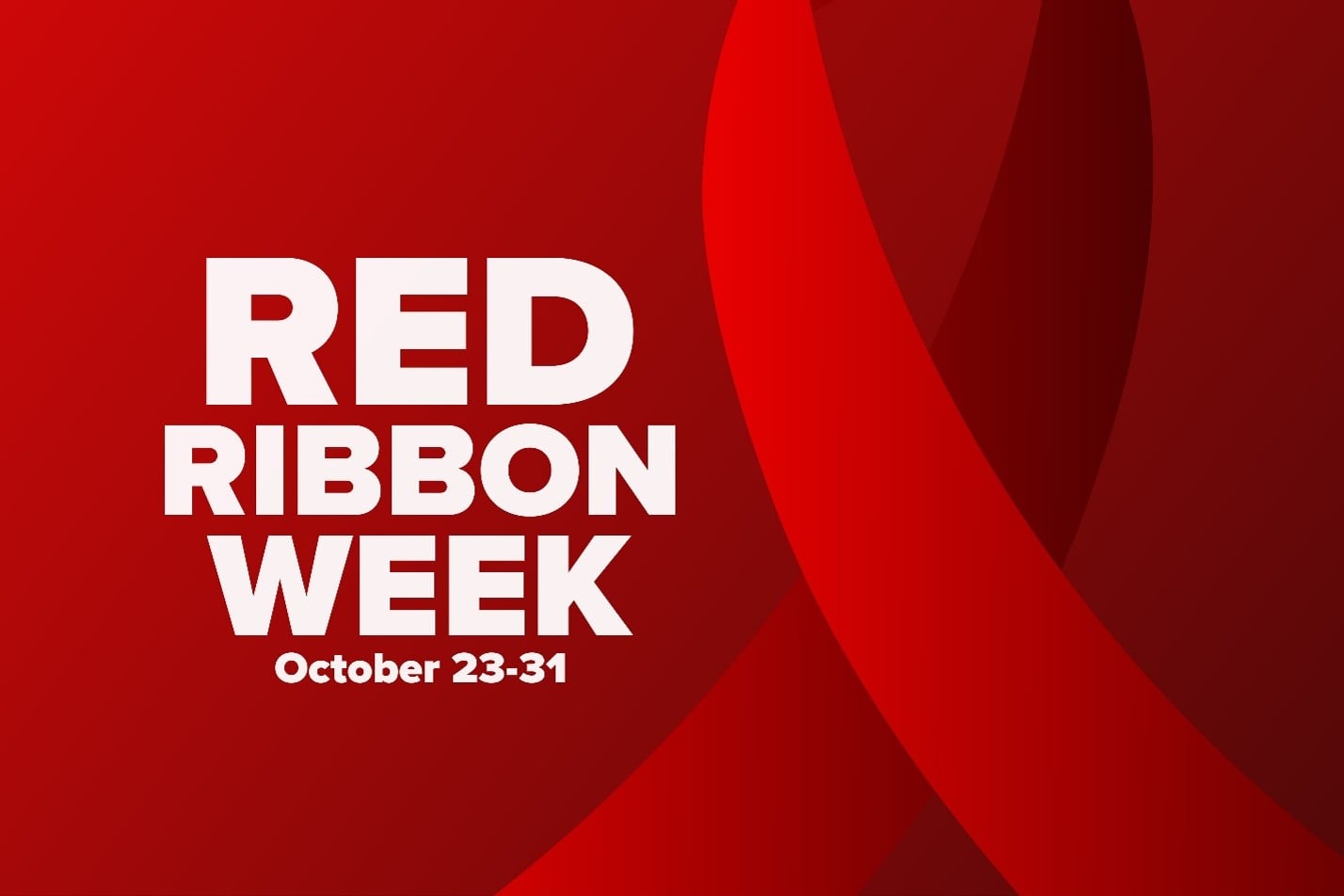
Each October, schools, families, and communities across the United States participate in Red Ribbon Week, a national awareness campaign dedicated to encouraging healthy choices and preventing substance misuse. Observed annually from October 23 through October 31, the campaign provides an opportunity to educate young people about the risks associated with drugs and alcohol while promoting positive decision-making, personal responsibility, and supportive relationships.
For families in Lakeland and throughout West Tennessee, Red Ribbon Week serves as a reminder that conversations about healthy choices can begin at home and continue in classrooms, recreational programs, and everyday interactions. Although the observance lasts just over a week, its central message extends throughout the year. By encouraging open communication, providing age-appropriate education, and helping children develop confidence in their decisions, parents, educators, and community members can contribute to a healthier environment for young people.
What Is Red Ribbon Week?
Red Ribbon Week is recognized as one of the nation’s largest drug prevention awareness campaigns. The observance encourages individuals, schools, and communities to demonstrate their commitment to preventing substance misuse and supporting healthy lifestyles. Participants often wear red ribbons, organize educational activities, and take part in events designed to reinforce the importance of making informed decisions.
According to the National Family Partnership, which coordinates the national Red Ribbon Campaign, the observance takes place each year from October 23 through October 31.[1] Schools and community organizations participate in different ways, including themed dress-up days, classroom discussions, poster contests, and educational presentations.
Although Red Ribbon Week is frequently associated with elementary and middle schools, its message is relevant to people of all ages. The campaign emphasizes the importance of building environments where children and teenagers feel supported, informed, and comfortable asking questions about potentially harmful substances.
For parents, the observance can also serve as a starting point for discussions about peer pressure, personal boundaries, and responsible decision-making. These conversations do not have to be complicated or intimidating. Simple, honest discussions that reflect a child’s age and understanding can help establish a foundation for future communication.
The History Behind the Red Ribbon Campaign
Red Ribbon Week began as a tribute to Enrique “Kiki” Camarena, a special agent with the U.S. Drug Enforcement Administration who was killed in Mexico in 1985 while investigating drug trafficking. Following his death, friends, family members, and community supporters began wearing red ribbons to honor his memory and demonstrate their opposition to illegal drug activity. The movement gradually expanded beyond its original community, eventually developing into a national awareness campaign. In 1988, the National Family Partnership helped establish the first nationwide Red Ribbon Week, bringing schools and organizations together around a shared prevention message.
The Drug Enforcement Administration recognizes Red Ribbon Week as an opportunity to honor Camarena’s legacy while encouraging communities to promote drug prevention education.[2] Over the decades, the observance has become a familiar part of the October calendar in schools throughout the country. While the campaign’s origins are connected to law enforcement and drug trafficking prevention, its modern educational focus also includes helping young people develop healthy habits and understand the consequences of substance misuse. The annual observance provides an opportunity to discuss these topics in a constructive, age-appropriate manner.
Why Substance Misuse Prevention Matters for Young People
Childhood and adolescence are important periods for developing habits, learning independence, and practicing decision-making. As young people grow older, they may encounter new social situations, increased responsibilities, and opportunities to make choices without direct adult supervision. Substance misuse prevention education aims to help children and teenagers understand potential risks before they encounter difficult decisions. Rather than relying exclusively on warnings, effective prevention efforts can include accurate information, supportive relationships, and opportunities to practice healthy coping and communication skills.
The Centers for Disease Control and Prevention identifies substance use among young people as a public health concern and emphasizes the importance of prevention efforts that address individual, family, school, and community factors.[3] These approaches recognize that young people’s decisions are influenced by their environments and the support systems available to them. For families, prevention can begin with everyday conversations about health, friendships, and personal goals. Encouraging children to ask questions and discuss situations they encounter can help them develop the confidence to make thoughtful choices. It is also important to approach these discussions without unnecessary fear or judgment. Young people may be more willing to communicate openly when they know adults will listen respectfully and provide accurate information.
How Schools Participate in Red Ribbon Week
Schools play an important role in Red Ribbon Week because they provide opportunities to reach students through educational activities and shared experiences. Many schools recognize the observance with themed days, classroom projects, assemblies, and activities that encourage students to reflect on healthy choices. Popular traditions include wearing red clothing, creating prevention-themed posters, decorating classroom doors, and participating in schoolwide challenges. These activities can help make the campaign engaging for younger students while introducing important concepts in an accessible way.
For older students, Red Ribbon Week may provide opportunities for more detailed discussions about peer pressure, substance misuse, mental well-being, and decision-making. Educators can incorporate age-appropriate lessons that encourage students to think critically about situations they may encounter. The Substance Abuse and Mental Health Services Administration provides prevention resources designed to help schools, families, and communities address substance use risks among young people.[4] Educational efforts are most useful when they provide reliable information and reinforce supportive environments rather than relying on scare tactics. Families interested in participating can check school newsletters, calendars, and announcements for information about local Red Ribbon Week activities. Individual schools may recognize the observance differently, and participation schedules can vary.
The Importance of Open Conversations at Home
Although schools often organize Red Ribbon Week activities, parents and caregivers have an important role in reinforcing prevention messages. Children frequently look to trusted adults for guidance when learning about unfamiliar subjects, making family communication a valuable part of prevention education. Parents can begin by asking children what they have learned during Red Ribbon Week and encouraging them to share their thoughts. These discussions may naturally lead to broader conversations about friendships, making decisions, handling uncomfortable situations, and asking for help when needed.
The National Institute on Drug Abuse emphasizes the importance of evidence-based approaches to preventing substance use among children and adolescents.[5] Prevention efforts can involve families, schools, and communities working together to address risks and strengthen protective factors. For younger children, conversations may focus on taking care of their bodies, understanding household rules about medications, and recognizing the importance of asking adults before consuming unfamiliar substances. Older children and teenagers may benefit from more direct discussions about alcohol, nicotine, cannabis, and other drugs. Parents do not need to have every answer immediately. If a child asks a difficult question, adults can acknowledge the question and look for reliable information together. Maintaining an open line of communication is often more valuable than trying to cover every possible situation in a single conversation.
Teaching Children to Navigate Peer Pressure
Peer relationships become increasingly important as children grow older. Friends and classmates can influence interests, activities, and social decisions, making it helpful for young people to develop skills for handling situations where they feel pressured to do something uncomfortable. Red Ribbon Week provides an opportunity to discuss how peer pressure works and why it is acceptable to make choices that differ from those of friends. Children can benefit from understanding that maintaining friendships does not require agreeing with every suggestion or participating in every activity.
Parents can help by practicing simple responses children might use when declining an invitation or leaving an uncomfortable situation. Role-playing can make these conversations more approachable, particularly for younger students who are still developing communication skills. It is also useful to emphasize that asking for help is a sign of good judgment. Children and teenagers should know they can contact a trusted adult if they feel unsafe, uncertain, or pressured. By focusing on confidence, communication, and problem-solving, families can help children develop skills that apply to many situations beyond substance misuse prevention.
Healthy Activities Can Support Positive Decision-Making
Encouraging healthy habits is another important part of supporting young people. Activities that provide opportunities for enjoyment, learning, and social connection can help children develop interests and build relationships with supportive peers and adults.
Sports, music, art, volunteering, outdoor recreation, and other extracurricular activities can contribute to a well-rounded lifestyle. These experiences may also help young people develop confidence, teamwork skills, and a sense of belonging. The CDC identifies strong connections with family members and schools as important protective factors associated with lower levels of certain health-risk behaviors among adolescents.[6] Creating opportunities for positive engagement can therefore be one component of a broader prevention approach.
For Lakeland families, these activities do not have to involve expensive programs or complicated schedules. Spending time outdoors, participating in community events, joining school organizations, or pursuing creative hobbies can provide meaningful opportunities for connection. Parents can also support healthy habits by encouraging adequate sleep, regular physical activity, and balanced routines. While these practices do not eliminate the possibility of substance misuse, they contribute to overall well-being and can help children develop positive approaches to managing everyday challenges.
How Communities Can Support Red Ribbon Week
Substance misuse prevention is not solely the responsibility of schools or individual households. Community organizations, youth programs, healthcare professionals, and local leaders can all contribute to environments that encourage healthy development.
During Red Ribbon Week, organizations may participate by sharing educational resources, recognizing the campaign through public displays, or supporting activities that bring families together. Community involvement can help reinforce the message that young people have access to adults and organizations that care about their well-being.
Businesses and neighborhood groups can also recognize the observance in simple ways, such as displaying red ribbons or sharing information about prevention resources. These gestures can help increase awareness without requiring large events or formal programming. For residents who want to become more involved, the National Family Partnership provides campaign materials and participation ideas that can be adapted for schools, families, and community organizations. Local participation may vary, so residents should check with individual schools and organizations for information about planned activities.
Keeping the Message Going Beyond October
Although Red Ribbon Week concludes on October 31, the conversations it encourages remain relevant throughout the year. Healthy decision-making develops over time through education, experience, and ongoing support from trusted adults. Parents can continue discussing substance misuse prevention as children grow and encounter new situations. These conversations may evolve from basic lessons about safety and health to more detailed discussions about social pressures, independence, and long-term consequences.
Schools and community organizations can also reinforce prevention messages through regular educational programming, student support services, and activities that encourage positive relationships. The most effective approach is often one that treats prevention as an ongoing part of supporting young people’s development rather than a subject addressed only during a designated awareness week.
Red Ribbon Week Encourages a Healthier Future
Red Ribbon Week provides an opportunity for families, educators, and community members to come together around the importance of healthy choices and substance misuse prevention. Through classroom activities, family discussions, and community participation, the annual observance encourages young people to think about their decisions and the support systems available to them.
For Lakeland residents, October 23 through October 31 can serve as a reminder of the value of open communication, positive role models, and supportive relationships. Whether participating in school activities, wearing red, or simply starting a conversation at home, families can recognize the campaign in ways that fit their individual circumstances.
The message behind Red Ribbon Week extends beyond avoiding harmful substances. It also emphasizes helping children develop confidence, recognize their strengths, and understand that they can seek guidance when facing difficult choices. As the 2026 observance continues, families throughout West Tennessee have an opportunity to reinforce these lessons and encourage habits that support health and well-being long after October ends.
[1] National Family Partnership. Red Ribbon Campaign. https://www.redribbon.org/
[2] U.S. Drug Enforcement Administration. Red Ribbon Week. https://www.dea.gov/redribbon
[3] Centers for Disease Control and Prevention. Substance Use Among Youth. https://www.cdc.gov/youth-behavior/risk-behaviors/substance-use-among-youth.html
[4] Substance Abuse and Mental Health Services Administration. Substance Use Prevention Resources. https://www.samhsa.gov/substance-use/prevention
[5] National Institute on Drug Abuse. Preventing Drug Use Among Children and Adolescents. https://nida.nih.gov/publications/preventing-drug-use-among-children-adolescents
[6] Centers for Disease Control and Prevention. School Connectedness Helps Students Thrive. https://www.cdc.gov/youth-behavior/school-connectedness/index.html