

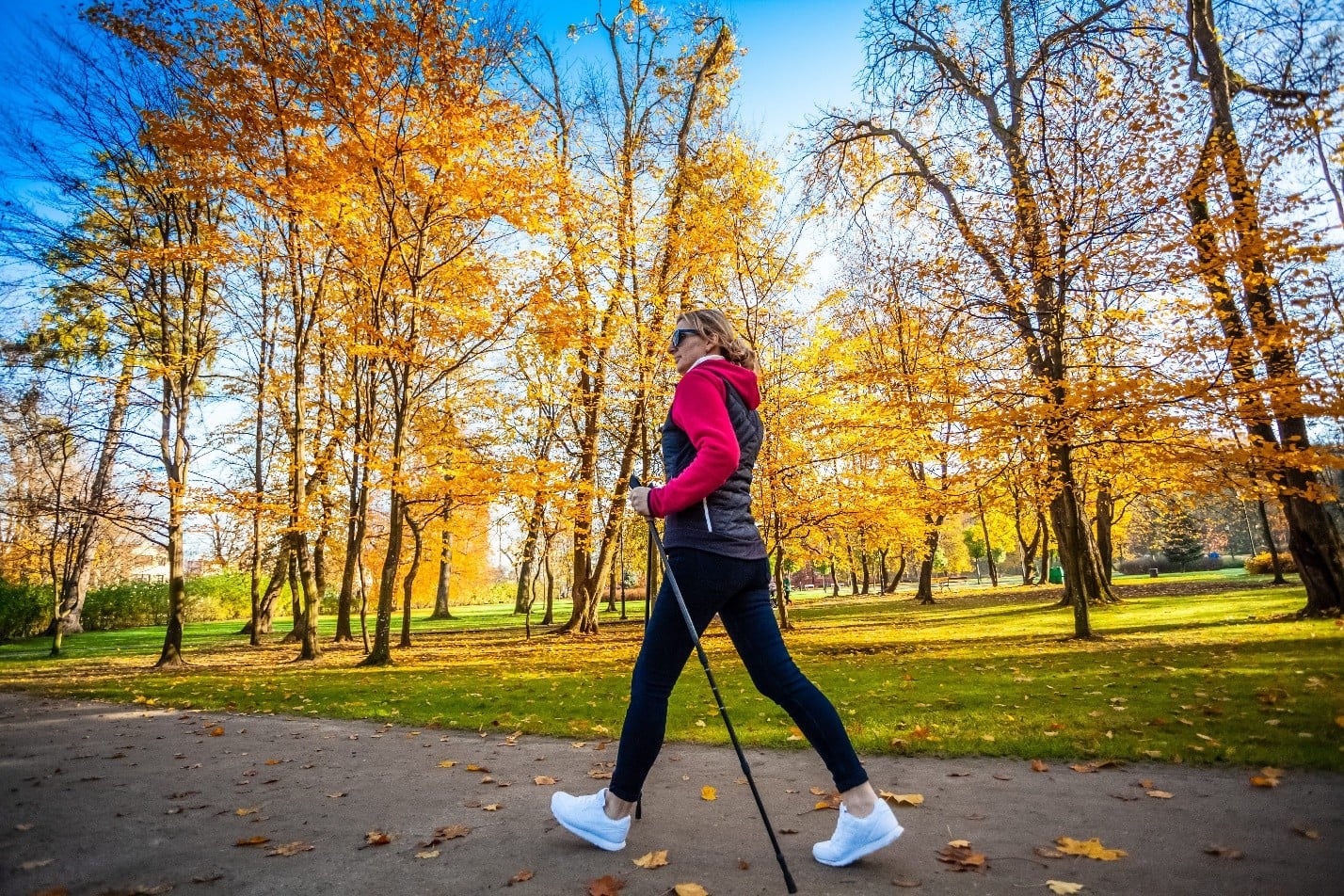
As temperatures begin to cool across West Tennessee, fall offers a welcome opportunity to spend more time outdoors. After months of summer heat and humidity, October and November often bring more comfortable conditions for activities such as walking, gardening, and enjoying neighborhood green spaces. For residents of Lakeland and surrounding communities, the changing season can also provide an ideal opportunity to establish a regular exercise routine.
Walking is one of the simplest and most accessible forms of physical activity. It requires little equipment, can be adjusted to accommodate different fitness levels, and fits into a variety of schedules. Whether taking a short walk around the neighborhood after dinner or enjoying a longer outing on a weekend, incorporating more movement into everyday life can provide meaningful physical and mental health benefits. With cooler weather and colorful scenery creating an inviting outdoor environment, fall can be an especially enjoyable time to get started.
Why Walking Is an Effective Form of Exercise
Walking may seem like a relatively simple activity, but it provides several important health benefits. Regular walking engages muscles throughout the body, supports cardiovascular health, and can help improve endurance over time. Because it is a weight-bearing activity, walking also contributes to maintaining bone health while generally placing less stress on the joints than higher-impact exercises such as running. According to the Centers for Disease Control and Prevention, regular physical activity can help reduce the risk of heart disease, stroke, type 2 diabetes, and certain cancers. Physical activity can also support better sleep, improve brain health, and help individuals maintain their ability to perform everyday tasks as they age.[1]
One of walking’s greatest advantages is its flexibility. Individuals do not need to complete lengthy workouts to begin experiencing benefits. A short walk during a lunch break, a few laps around the neighborhood, or an evening stroll can all contribute to overall activity levels. Walking can also be adapted to individual abilities and preferences. Some people enjoy a brisk pace that raises their heart rate, while others prefer a slower, more relaxed walk. Both approaches can provide opportunities for movement, and beginners can gradually increase their pace or distance as their comfort and endurance improve.
Cooler Temperatures Can Make Outdoor Activity More Comfortable
Tennessee summers are known for their heat and humidity, which can make outdoor exercise uncomfortable during much of the day. By late October, temperatures typically become more moderate, creating opportunities for walking without the intense heat associated with July and August. Cooler conditions can make physical activity feel more manageable, particularly for individuals who find exercising in hot weather unpleasant. The National Weather Service explains that high temperatures and humidity can increase the risk of heat-related illness, especially during prolonged outdoor activity.[2] Although hydration and weather awareness remain important throughout the year, fall often provides more comfortable conditions for spending time outside.
Autumn also brings changes to the surrounding landscape that can make walking more enjoyable. Colorful foliage, falling leaves, and seasonal decorations provide visual interest along familiar streets. Residents may find that a neighborhood route they have walked many times feels different as the seasons change. However, cooler weather does not mean every day will be ideal for outdoor exercise. Rain, wind, and fluctuating temperatures can affect walking conditions, particularly during early mornings and evenings. Checking the forecast and dressing appropriately can help make walks more comfortable.
Walking Can Support Mental and Emotional Well-Being
The benefits of walking extend beyond physical fitness. Spending time outdoors and engaging in regular movement can provide opportunities to relax, clear the mind, and temporarily step away from daily responsibilities. Research has linked physical activity with improvements in mental well-being, including reduced symptoms of anxiety and depression. The World Health Organization identifies regular physical activity as an important contributor to both physical and mental health.[3]
Walking outdoors can also provide a change of scenery, particularly for individuals who spend much of their day working indoors. A short afternoon walk may offer an opportunity to disconnect from screens, enjoy fresh air, and return to daily tasks feeling refreshed. For some residents, walking with a friend, spouse, or family member can make the activity more enjoyable. Conversations during a neighborhood walk can provide opportunities to connect without the distractions of television, phones, or busy schedules. Others may prefer walking alone as a quiet part of their daily routine. Listening to the sounds of nature, observing seasonal changes, or simply enjoying a few minutes of uninterrupted time can make walking a relaxing experience.
Start Small and Build a Consistent Routine
Beginning a walking routine does not require an ambitious fitness plan. In fact, starting with manageable goals may make it easier to establish a habit that lasts beyond the fall season. Someone who is not accustomed to regular exercise might begin with a 10- or 15-minute walk several days a week. As walking becomes more comfortable, the duration or frequency can gradually increase. This approach allows individuals to become familiar with their abilities without feeling pressured to complete long distances immediately.
The U.S. Department of Health and Human Services recommends that adults aim for at least 150 minutes of moderate-intensity aerobic activity each week, along with muscle-strengthening activities on two or more days. Brisk walking is one example of moderate-intensity physical activity.[4]
For beginners, however, the most important step is simply becoming more active. The federal guidelines emphasize that some physical activity is better than none, and individuals who are currently inactive can benefit from gradually increasing their movement. Setting realistic goals can also help maintain motivation. Rather than focusing exclusively on distance or speed, residents might aim to walk after dinner three evenings a week or take a short morning walk before beginning work. Over time, these smaller habits can become a regular part of daily life.
Find Opportunities to Walk Throughout the Day
One of the most convenient aspects of walking is that it can fit into everyday activities without requiring a separate trip to a gym or recreation facility. Small adjustments to daily routines can create additional opportunities for movement. Residents who work from home may find it helpful to take a short walk before starting the workday or during a lunch break. Those who spend long periods sitting at a desk can also use brief walking breaks to interrupt extended periods of inactivity. Walking after meals is another option. Families may enjoy taking a short stroll through their neighborhood after dinner, particularly while daylight remains available. These walks can become a simple way to spend time together while establishing a consistent routine.
Everyday errands can also provide opportunities for additional steps. Parking farther from a store entrance, taking a brief walk while waiting for an appointment, or choosing stairs when appropriate can help incorporate more movement into the day. For individuals who enjoy tracking progress, smartphone health applications or basic step counters can provide an estimate of daily activity. However, tracking devices are not necessary to benefit from walking, and residents can focus on consistency rather than meeting a specific step count.
Make the Most of Neighborhood Sidewalks and Local Green Spaces
Lakeland’s residential neighborhoods and community green spaces offer opportunities for residents to enjoy outdoor walking close to home. Rather than traveling to a distant destination, many individuals can begin by exploring familiar sidewalks and nearby public areas. Neighborhood walks can be particularly convenient because they allow residents to choose routes based on available time and personal preferences. A short loop around a residential block may be suitable for a quick break, while a longer route through adjoining streets can provide additional exercise.
Local parks can also offer a change of scenery for residents who prefer walking in a recreational setting. Lakeland’s public outdoor spaces provide opportunities to enjoy natural surroundings, observe seasonal changes, and spend time outside. The City of Lakeland maintains information about its parks and recreational amenities, including public spaces available for community use.[5] Residents can consult city resources when deciding where to enjoy outdoor activities.
For those who prefer a quieter environment, walking during less busy periods may provide a more relaxed experience. Early mornings, weekday afternoons, and other off-peak times can offer opportunities to enjoy outdoor spaces at a comfortable pace.
Regardless of the location, walkers should remain aware of their surroundings, use designated pedestrian areas when available, and follow posted park guidelines.
Turn Walking Into a Family Activity
Walking can be an enjoyable activity for the entire household, making it a practical option for families looking to spend more time together outdoors. Unlike some recreational activities that require specialized equipment or organized schedules, walking can be adapted to different ages and abilities. Parents with younger children can turn neighborhood walks into opportunities for exploration. Children may enjoy collecting observations about colorful leaves, identifying different types of trees, or noticing Halloween and fall decorations around the neighborhood.
Families can also create simple walking traditions, such as taking a stroll after Sunday dinner or visiting a nearby park on Saturday mornings. Establishing predictable routines may help children develop positive associations with physical activity. For households with dogs, regular walks can provide exercise and enrichment for pets as well. Owners should keep dogs leashed where required, clean up after them, and consider their pets’ individual exercise needs. Walking with others can also provide motivation. Friends or neighbors who establish regular walking times may find it easier to remain consistent because the activity becomes both a social opportunity and a healthy habit.
Stay Comfortable and Visible as Daylight Hours Shorten
Although fall brings more comfortable temperatures, it also means fewer daylight hours. As October transitions into November, sunset occurs earlier, and residents who typically walk after work may find themselves outdoors in lower-light conditions. The National Highway Traffic Safety Administration recommends that pedestrians use sidewalks when available, cross streets at designated crossings, and increase their visibility when walking near traffic.[6] Wearing reflective clothing or carrying a flashlight can be particularly helpful during early morning or evening walks.
Comfortable footwear is another important consideration. Shoes that provide appropriate support and fit properly can help make walking more enjoyable, especially for individuals who are gradually increasing their distance. Dressing in layers can also be useful during Tennessee’s changing fall weather. A lightweight jacket may be appropriate during cooler mornings, while a breathable shirt may be more comfortable as afternoon temperatures rise. Residents should also remain attentive to uneven sidewalks, fallen leaves, and wet surfaces. Choosing familiar routes and avoiding distractions while crossing streets can help make walking a comfortable part of the daily routine.
Keep the Habit Going Beyond the Fall Season
While autumn may provide the motivation to begin walking regularly, the benefits of physical activity extend throughout the year. Establishing a routine during October or November can create a foundation for maintaining healthy habits during winter and beyond. As temperatures become colder, residents may need to adjust their walking schedules or locations. Walking during warmer afternoon hours, choosing shorter outdoor routes, or using indoor spaces when weather conditions are unfavorable can help maintain consistency.
The key is finding an approach that fits individual preferences and responsibilities. Some people may enjoy walking every morning, while others prefer several longer outings throughout the week. There is no single schedule that works for everyone. It can also be helpful to recognize progress beyond distance or speed. Feeling more comfortable during walks, developing greater endurance, or simply looking forward to spending time outdoors can all be meaningful signs that a routine is becoming established.
Enjoy a Healthier Fall One Step at a Time
Fall offers Lakeland residents an opportunity to enjoy cooler weather while incorporating more movement into their daily lives. With colorful scenery, comfortable temperatures, and familiar neighborhoods providing convenient places to walk, the season can make beginning an exercise routine feel more approachable. Walking does not require expensive equipment, complicated schedules, or previous fitness experience. A comfortable pair of shoes, a suitable route, and a few minutes of available time are often enough to get started.
Whether walking with family, meeting a neighbor for an evening stroll, or enjoying a quiet moment outdoors, residents can make physical activity part of their everyday routines in ways that feel manageable and enjoyable. As autumn continues across West Tennessee, taking advantage of the season’s pleasant weather can be a simple way to support long-term health and well-being. Sometimes, developing a healthier lifestyle begins with something as straightforward as stepping outside and taking a walk.
[1] Centers for Disease Control and Prevention. Benefits of Physical Activity. https://www.cdc.gov/physical-activity-basics/benefits/index.html
[2] National Weather Service. Heat Safety. https://www.weather.gov/safety/heat
[3] World Health Organization. Physical Activity. https://www.who.int/news-room/fact-sheets/detail/physical-activity
[4] U.S. Department of Health and Human Services. Physical Activity Guidelines for Americans. https://odphp.health.gov/moveyourway/for-adults/
[5] City of Lakeland, Tennessee. Official City Website: Parks and Recreation Information. https://www.lakelandtn.gov/
[6] National Highway Traffic Safety Administration. Pedestrian Safety. https://www.nhtsa.gov/road-safety/pedestrian-safety