

Starting a new sport as an adult can feel challenging, especially if you have spent years away from organized physical activity. Work commitments, family responsibilities, and busy schedules often leave little time to explore new interests. However, getting active does not require years of athletic experience or exceptional fitness. With the right activity and a willingness to learn, adults can discover enjoyable ways to move more, build confidence, and meet new people.
For residents of Lakeland, Tennessee, recreational sports offer opportunities to develop new skills while making physical activity part of everyday life. Whether you prefer playing with others, exploring the outdoors, or learning something completely unfamiliar, there are options for different interests and experience levels. The key is to begin at a comfortable pace and choose an activity you genuinely enjoy.
Why Start a Sport as an Adult?
Sports provide more than a way to exercise. They can introduce structure into a weekly routine, create opportunities for social interaction, and give participants achievable goals to work toward.
For adults who spend much of the day sitting at a desk or driving, recreational activities can provide a welcome change of pace. Depending on the sport, participants may develop better coordination, balance, endurance, and mobility. Regular activity can also support overall health and help people manage stress.
There are social benefits, too. Joining a recreational class or playing with a group creates opportunities to meet people outside work and family circles. For someone new to an area or looking to expand their social network, learning a sport can be a natural way to connect with others.
You do not need to become a competitive athlete to enjoy these benefits. Learning a basic technique, completing a short session, or feeling more comfortable with a new activity can be rewarding achievements on their own.
Pickleball: An Easy Sport to Try With Others
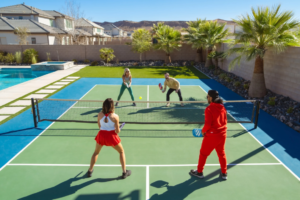
Pickleball is an appealing starting point for adults because it combines elements of tennis, badminton, and table tennis. Players use paddles to hit a lightweight plastic ball across a net, and the basic rules can be learned progressively.
Beginners can start by practicing their grip, serving, returning the ball, and moving around the court. Short practice sessions help develop coordination without the pressure of playing a competitive match. As confidence improves, players can try doubles games or join casual recreational sessions.
Adults who prefer additional guidance can explore beginner pickleball coaching to learn fundamental techniques and become more comfortable with the game. A structured introduction can be particularly helpful for those who have never played a racket sport.
Pickleball also offers a social atmosphere. Doubles games encourage communication, while recreational play allows beginners to learn from more experienced participants. The pace can vary considerably, so new players should choose a suitable level, wear supportive athletic shoes, and take breaks when necessary.
The best way to begin is to focus on enjoyment rather than winning. Once the basic skills become familiar, playing regularly can provide a convenient and engaging way to stay active.
Ice Skating: Learn a Completely New Skill
Trying a sport that feels unfamiliar can be an exciting way to challenge yourself. Ice skating, for example, combines balance, coordination, and movement while giving beginners the opportunity to develop a skill gradually.
The first sessions should focus on the basics: becoming comfortable standing on the ice, taking small steps, learning how to stop, and practicing simple movements. There is no need to attempt advanced turns or skate quickly. Progress comes from regular practice and becoming comfortable with each new skill.
Adults interested in learning can look into Nova ice school as a possible starting point. Checking the available instruction, lesson schedules, and facility information can help determine whether the program fits your needs.
Properly fitted skates and appropriate protective equipment are important for beginners. Follow rink rules, use recommended safety gear, and take breaks when needed. If you feel unsteady, give yourself time to practice rather than comparing your progress with experienced skaters.
Ice skating may take patience, but learning something new can be rewarding at any age. Each session provides another opportunity to improve your balance, gain confidence, and become more comfortable on the ice.
Walking and Hiking: Build Fitness Gradually
Walking is one of the simplest ways to begin an active lifestyle. It requires minimal equipment, can be adapted to different fitness levels, and fits into almost any schedule.
Adults returning to exercise might start with a 10- or 15-minute walk several times a week. As their endurance improves, they can gradually increase the duration or choose routes with more variety. Walking with a friend can make the experience more enjoyable, while exploring unfamiliar neighborhoods can help prevent the routine from becoming repetitive.
For those who enjoy spending time outdoors, hiking offers another option. Trails introduce different surfaces and terrain, making each outing a little different from the last. Beginners should select routes that match their experience, wear suitable footwear, carry drinking water, and check the weather before leaving.
Lakeland’s parks and outdoor spaces can provide convenient places to begin. Families and individuals can explore walking routes, enjoy green spaces, or combine a short walk with a relaxed picnic. The goal is to make movement a regular part of the week rather than treating it as an occasional event.
Swimming: A Low-Impact Activity
Swimming can be a good option for adults who want a full-body workout with less impact on their joints than many land-based sports. Water supports much of the body’s weight, allowing participants to adjust their effort according to their comfort and ability.
Adults who are unfamiliar with swimming can begin by learning basic water confidence, breathing techniques, floating, and fundamental strokes. Those who already know how to swim may prefer lap swimming or water-based fitness sessions.
Learning proper technique can make swimming more comfortable and efficient. It is important to use an appropriately supervised facility, follow pool rules, and avoid attempting distances or techniques beyond your current ability. Adults with health concerns or a prolonged period of inactivity may also benefit from professional medical guidance before starting a new exercise routine.
Cycling: Explore at Your Own Pace
Cycling offers another way to enjoy outdoor activity while exploring the surrounding area. Some adults prefer relaxed neighborhood rides, while others enjoy longer trips along suitable recreational routes.
If you have not ridden a bicycle in years, begin in a quiet, level area where you can practice starting, stopping, and steering safely. Check that the bicycle fits properly and that the brakes and tires are in good condition before heading out.
A properly fitted helmet is essential, and choosing routes that match your experience can make cycling more enjoyable. Beginners should pay attention to traffic, visibility, and local cycling rules.
Cycling can also become a shared activity. Friends can arrange a weekend ride, or couples can explore a route together. Starting with a short distance and gradually increasing it helps build confidence without turning the experience into a demanding fitness challenge.
How to Choose the Right Sport
With so many possibilities, it helps to consider your interests and practical needs before committing to an activity.
- Personal interests: Choose something you are curious about, whether it involves outdoor exploration, water, skating, or recreational games.
- Time commitment: Look for activities that fit your work schedule and other responsibilities.
- Fitness level: Beginner classes and introductory sessions can help you start at an appropriate pace.
- Equipment costs: Find out whether equipment can be rented or borrowed before making a purchase.
- Social preferences: Decide whether you would enjoy learning independently, practicing with a friend, or joining a group.
- Accessibility: Consider travel time, facility access, and the availability of sessions that suit your schedule.
Trying an introductory class, where available, can help you decide whether an activity is a good fit before making a longer commitment. It is also reasonable to try several sports before settling on one.
Make Progress Without Putting Pressure on Yourself
One common obstacle for adults is worrying about being inexperienced. It can feel uncomfortable to enter a class where other participants seem more skilled or to make mistakes while learning a new technique.
Remember that every experienced player or skater was once a beginner. Choose an environment that welcomes newcomers, ask questions when necessary, and give yourself permission to improve gradually.
Setting small goals can make progress easier to recognize. A new pickleball player might aim to maintain a short rally, while someone learning to skate might focus on stopping confidently. A beginner cyclist could work toward completing a familiar route with greater ease.
Avoid comparing your progress with other people. Differences in age, previous experience, fitness, and confidence mean that everyone develops at a different pace. Consistency matters more than immediate results.
Rest and recovery are equally important. Increase activity gradually, pay attention to discomfort, and seek professional guidance if you have medical conditions or concerns about exercise.
Turn a New Sport Into a Lasting Habit
The Centers for Disease Control and Prevention recommends that adults aim for at least 150 minutes of moderate-intensity aerobic activity each week, along with muscle-strengthening activities on two days. Beginners can build toward these recommendations gradually, starting with manageable amounts of activity and increasing as their abilities improve. See the CDC’s guidance on physical activity for adults.
A realistic routine might include one recreational sports session on the weekend and a few shorter walks during the week. Someone learning pickleball could practice regularly, while a beginner skater might alternate lessons with other activities that support general fitness.
Scheduling activities in advance can make it easier to stay consistent. Inviting a friend can also provide encouragement and turn exercise into a social commitment.
Most importantly, keep your routine flexible. If you discover that one sport is not enjoyable, try another. The purpose is not to force yourself into a particular activity but to find something that fits your lifestyle and motivates you to keep moving.
Take the First Step
It is never too late to explore a new sport, develop a skill, or discover a more enjoyable approach to physical activity. Adults in the Lakeland area can consider options such as pickleball, walking, swimming, cycling, and ice skating, each offering a different way to stay engaged and build confidence.
Start with one activity that interests you, find an appropriate beginner-friendly setting, and focus on learning rather than performance. With realistic goals and regular practice, a sport that once seemed unfamiliar can become a rewarding part of your everyday routine.
By: Chris Bates