

An old curio cabinet can be easy to overlook. Scratched wood, cloudy glass and dated hardware may make a once-impressive piece of furniture look ready for the curb. Look a little closer, though, and there may be plenty worth saving.
Curio cabinets were designed to display the things people valued, from family photographs and porcelain to travel souvenirs and collectibles. With vintage furniture finding its way back into modern interiors, restoring an existing cabinet can be more rewarding than replacing it with something new.
Better still, many curio cabinet restoration projects are achievable without professional woodworking experience. Yahoo states that the secret is knowing what to repair, what to leave alone and when an apparently simple DIY project requires an expert.
Start by Working Out What You Have
Before reaching for sandpaper, inspect the cabinet carefully.
Look for a manufacturer’s label, stamp or handwritten marking on the back, underside or inside a drawer. If you suspect the cabinet is genuinely antique, research it before making permanent changes. Refinishing valuable antique furniture can sometimes reduce its value rather than increase it.
Next, inspect its condition. Check whether the cabinet rocks, doors sit squarely, shelves are secure and hinges operate correctly. Look for cracks in the wood, water damage, missing veneer and evidence of wood-boring insects.
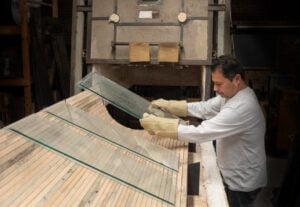
The glass deserves particular attention. Older curio cabinets can contain thin or difficult-to-replace panels. Cracked glass should generally be handled by a professional rather than removed by an inexperienced restorer.
Give Everything a Proper Clean
You might be surprised by how much of an old cabinet’s tired appearance is simply dirt.
Remove everything from the cabinet, including adjustable shelves, and vacuum loose dust from corners and tracks. Clean finished wood using a soft cloth and a small amount of appropriate wood cleaner. Avoid soaking the surface, particularly around joints and veneer.
Glass panels need a similarly careful approach. Lakeland Currents’ The Right Way to Clean High or Hard-to-Reach Windows offers useful advice on cleaning glass without causing unnecessary damage. For a curio cabinet, avoid abrasive materials and apply glass cleaner to your cloth rather than spraying it directly around wooden frames.
Once clean, you will have a much better idea of what actually needs restoring.
Decide Whether Refinishing Is Necessary
One of the most common beginner mistakes is assuming that restoration means stripping everything back to bare wood.
It doesn’t.
If the existing finish is reasonably intact, cleaning and polishing may be enough. Small scratches can sometimes be disguised with furniture touch-up products, while loose handles and hinges may simply need tightening.
If the finish is badly damaged, however, refinishing could give the cabinet a completely new life.
This approach fits with the advice in Lakeland Currents’ Cost-Effective Home Renovation Tips: Insights from James Thornton in Arizona, which highlights refurbishing existing furniture as one way to improve a home without automatically buying replacements.
Sand Carefully
If you decide to refinish your curio cabinet, remove the hardware and any removable glass shelves before beginning.
For solid wood, sanding can remove scratches and prepare the surface for a new finish. Start conservatively instead of immediately using extremely coarse sandpaper. Work in the direction of the wood grain and move gradually toward finer grits to achieve a smooth surface.
Be particularly careful with veneer. Unlike solid timber, veneer consists of a thin layer of real wood applied over another material. Aggressive sanding can cut straight through it, creating damage that is considerably harder to repair than the original scratch.
Wear eye protection and a suitable dust mask, and work in a well-ventilated area.
Choose Between Stain, Paint and the Existing Finish
This is where a curio cabinet restoration project can dramatically change the character of the furniture.
Wood stain is ideal if you want to preserve the visible grain and retain a traditional appearance. Paint offers considerably more freedom. An unfashionable dark cabinet can look completely different in a contemporary color, particularly when paired with new hardware.
There is also a third option: preserve the existing finish.
Vintage furniture does not have to look brand new. Small marks and variations can give an older piece character. Sometimes cleaner glass, polished wood and a few subtle repairs are all that is necessary.
Lakeland Currents’ Top 6 Small Changes That Make a Big Impact in Home Aesthetics also points to changing cabinet and drawer hardware as a relatively simple way of refreshing a room. The same principle works particularly well with older furniture.
Pay Attention to the Hardware
Handles, hinges, locks and catches can make a surprisingly big difference to the finished cabinet.
Original hardware may simply need cleaning rather than replacing. Remove each piece carefully and keep the screws organized so everything can be returned to its original position.
If components are broken or badly corroded, replacements provide an inexpensive opportunity to update the furniture. Measure the existing screw spacing before buying new handles so you do not have to drill unnecessary holes.
This is also the right time to check that doors align correctly and hinges are firmly attached.
Don’t Forget the Interior
Once the exterior looks good, consider how the cabinet will actually display your collection.
Mirrored backs should be carefully cleaned, while worn shelf liners can be removed or replaced. Discreet LED lighting can also illuminate glassware, collectibles or family heirlooms without fundamentally changing the original furniture.
Avoid overcrowding when everything goes back inside. A few well-positioned objects usually look more considered than shelves packed from edge to edge.
If you need to relocate the cabinet after restoring it, Lakeland Currents’ The Complete Guide to Moving Specialty Items: From Pianos to Home Gyms contains useful principles for handling valuable and difficult household possessions. Remove loose shelves, protect vulnerable corners and keep any hardware taken off during transportation carefully labeled.
Know When to Call a Professional
DIY furniture restoration has limits.
Major structural damage, badly lifting veneer, elaborate carving, broken curved glass and potentially valuable antiques are good reasons to consult a professional furniture restorer. If you discover that the cabinet has genuine historical or monetary value, get expert advice before stripping, sanding or painting it. The glass part is extremely important. Flickinger Glassworks suggests that ‘curio cabinets, are more than mere furniture pieces. They are repositories of memories, ornate containers that elegantly showcase your prized collectibles, delicate china, and treasured heirlooms. These cabinets blend functionality and aesthetics, adding a touch of vintage charm and sophistication to your space,’ so in turn, they must be dealt with carefully and by professionals.
For a straightforward vintage curio cabinet restoration, however, they can be an approachable weekend project. Start by cleaning it, make conservative repairs and change only what actually needs changing.
That scratched cabinet sitting forgotten in a garage, basement or spare room may not need replacing at all. With careful cleaning, minor repairs and the right finish, it could become one of the most distinctive pieces of furniture in your home.
By: Chris Bates