

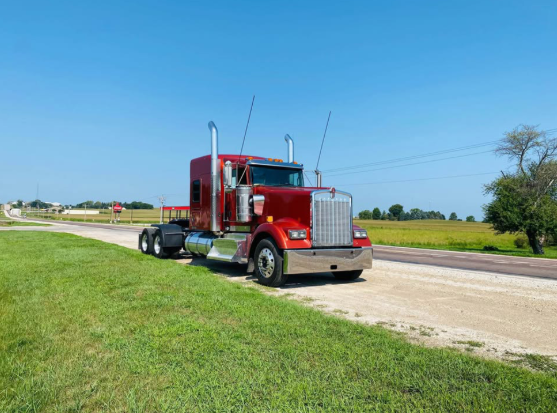
Heavy duty trucks are the backbone of the modern economy. From long-haul freight rigs crossing state lines to dump trucks, tankers, and vocational vehicles working construction sites, these machines are built to handle punishing loads and demanding conditions day after day. A single Class 8 truck can log hundreds of thousands of miles over its working life, and every one of those miles depends on an engine, drivetrain, and support systems that are engineered to endure.
But durability alone isn’t enough. The difference between a truck that runs reliably for a decade and one that spends its time in the shop often comes down to maintenance discipline—and few maintenance factors matter more than filtration.
The Real Cost of Downtime
For fleet operators and owner-operators alike, downtime is expensive. A truck sitting in a repair bay isn’t earning revenue, and unexpected breakdowns can cascade into missed deliveries, penalty fees, and damaged customer relationships. Studies across the trucking industry consistently point to preventable failures—many of them tied to contamination and neglected service intervals—as a leading cause of unplanned repairs.
That’s why proactive maintenance pays for itself. Regular oil changes, coolant checks, brake inspections, and drivetrain service keep small problems from becoming catastrophic ones. And at the heart of protecting a heavy duty engine is a clean, well-filtered supply of air, fuel, oil, and coolant.
Why Filtration Is Non-Negotiable
Heavy duty diesel engines are precision machines operating under extreme pressures and temperatures. Even microscopic contaminants can accelerate wear on injectors, bearings, cylinder walls, and turbochargers. Consider what filters are up against:
- Air filters trap dust, dirt, and debris before they reach the combustion chamber. In dusty environments like mining or agriculture, this is critical—an engine can ingest pounds of contaminants over its service life if the air filter isn’t doing its job.
- Fuel filters protect the high-pressure fuel system, which is increasingly sensitive in modern common-rail diesel engines. Water and particulate contamination can quickly ruin expensive injectors.
- Oil filters keep circulating lubricant clean, removing metal particles and combustion byproducts that would otherwise grind down internal components.
- Coolant and hydraulic filters protect systems that are easy to overlook until they fail.
Skimping on filter quality is a false economy. A cheap filter that lets contaminants slip through, collapses under pressure, or clogs prematurely can cost far more in engine damage than any savings at the point of purchase.
Donaldson Filters: A Trusted Name in Heavy Duty Filtration
When it comes to protecting heavy duty equipment, Donaldson Filters are a benchmark for quality. Donaldson has spent decades engineering filtration solutions specifically for the demands of commercial trucking and heavy equipment. Their filters are built with high-efficiency media designed to capture fine contaminants while maintaining the flow rates that big diesel engines require.
What sets high quality filters like Donaldson’s apart is the combination of superior media, robust construction, and consistent manufacturing standards. That means better contaminant capture, longer service intervals, and the peace of mind that comes from knowing your engine is genuinely protected—not just nominally covered. For fleets trying to maximize uptime and extend the life of their equipment, investing in premium filtration is one of the smartest decisions they can make.
You can get the entire line of Donaldson Filters and DB Filters at dbfilters.com.
Building a Smart Maintenance Program
Quality filters are most effective as part of a disciplined maintenance routine. A few best practices for heavy duty operators:
- Follow (or beat) OEM service intervals. Manufacturer schedules are a starting point; trucks in severe-duty applications often need more frequent service.
- Track everything. Digital maintenance logs help spot patterns, anticipate wear, and keep warranties intact.
- Standardize on trusted parts. Using consistent, high quality filters across a fleet simplifies inventory and ensures reliable protection.
- Train drivers to spot warning signs. Unusual smoke, power loss, or dashboard alerts often point to filtration or fuel-system issues that are cheaper to catch early.
The Bottom Line
Heavy duty trucks are a major investment, and they perform best when they’re cared for with the same seriousness they’re built with. Filtration sits at the center of that care. Choosing high quality filters—like those from Donaldson—and pairing them with a consistent maintenance program is one of the most cost-effective ways to protect an engine, reduce downtime, and keep freight moving. Whether you run a single rig or manage a large fleet, the right filters aren’t an expense; they’re an investment in reliability.