

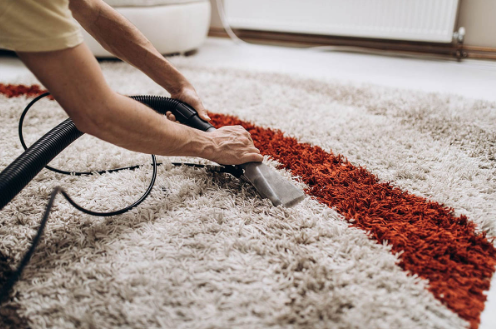
An area rug can transform a room, tying furniture together and adding warmth to hardwood or tile floors. But rugs also take a beating that many homeowners don’t fully appreciate until the fibers start looking flat, faded, or dingy. Homeowners who invest in Area Rug Cleaning San Antonio services often ask the same question afterward: how do I keep it looking this good? The answer usually comes down to a handful of simple habits rather than any single trick.
Whether you own a hand-knotted wool piece or a simple synthetic rug from a home goods store, the basics of long-term care are surprisingly similar. It comes down to protecting the fibers from everyday wear, moisture, and buildup that most people don’t notice until it’s already caused damage.
Understanding Why Rugs Wear Down Faster Than Expected
Rugs take on a different kind of stress compared to wall-to-wall carpet. Because they sit on top of a hard surface rather than a cushioned pad built into the flooring, foot traffic presses dirt and grit directly into the fibers with more force. Over time, this abrasive action wears down fibers from the inside, even if the surface still looks relatively clean.
This is one reason rugs in entryways or under dining tables often show wear years before rugs in low-traffic guest rooms. Recognizing which areas of your home see the most use helps set realistic expectations for how often a particular rug needs attention.
The Role of Regular Vacuuming
Vacuuming is the single most effective habit for extending a rug’s lifespan, yet it’s often done inconsistently or with the wrong settings. Using a vacuum with adjustable suction and a brush roll designed for the rug’s pile height prevents fibers from being pulled or flattened incorrectly. For delicate or hand-woven rugs, a vacuum without a rotating brush, or one set to a gentle setting, is often safer.
Vacuuming both the top and, occasionally, the underside of a rug helps remove grit that settles deep into the base, which is often the source of long-term fiber damage. Doing this every week for high-traffic rugs, and every couple of weeks for lower-traffic ones, keeps embedded dirt from grinding away at the material over time.
Rotating Rugs to Prevent Uneven Wear
Sunlight and foot traffic rarely hit a rug evenly, which means certain sections fade or wear down faster than others if the rug stays in the exact same position for years. Rotating a rug every six months or so redistributes this wear, helping it age more evenly and extending its overall appearance.
This is particularly useful for rugs placed near windows, where UV exposure can noticeably fade colors on one side while the rest of the rug stays vibrant. A simple 180-degree rotation twice a year is often enough to prevent this kind of lopsided fading.
Addressing Spills and Stains Immediately
The way a spill is handled in the first few minutes often determines whether it becomes a permanent stain or disappears without a trace. Blotting rather than rubbing prevents liquid from spreading further into the fibers, and using a clean, absorbent cloth helps lift moisture out rather than pushing it deeper into the rug’s base.
Different rug materials react differently to cleaning agents, so it’s worth knowing what your rug is made of before reaching for a random spot cleaner. Wool, for instance, can be damaged by certain alkaline cleaners, while synthetic fibers are generally more forgiving. When in doubt, plain water and gentle blotting is almost always a safer first step than an aggressive chemical treatment.
Why Deep Cleaning Matters for More Than Just Appearance
Beyond keeping a rug looking fresh, periodic deep cleaning plays an important role in maintaining a healthy indoor environment. Rugs trap dust, pet dander, and other airborne particles throughout the year, and without occasional deep cleaning, this buildup can affect indoor air quality more than most people realize.
The Environmental Protection Agency has pointed out that indoor air can carry higher concentrations of certain pollutants than outdoor air, particularly in homes where dust and allergens accumulate in fabrics and flooring. Deep cleaning removes this trapped material rather than just refreshing the surface, which matters especially for households with allergy sufferers, asthma, or young children who spend time playing directly on rugs.
Preventing Moisture Buildup and Mold Growth
Rugs placed in humid areas, such as bathrooms or near exterior doors, are particularly prone to trapping moisture. If a rug stays damp for too long, whether from spills, humidity, or being cleaned improperly, it creates conditions where mold and mildew can develop within the fibers or padding underneath.
Ensuring rugs dry completely after any wet cleaning, and occasionally lifting them to allow airflow underneath, helps prevent this issue. Good ventilation in the room itself, whether through open windows or a dehumidifier during particularly humid months, also supports a healthier environment for both the rug and the people who spend time in that room.
Protecting Rugs From Furniture and Foot Traffic Damage
Heavy furniture can compress rug fibers permanently if left in the same spot for years, leaving visible indentations that don’t bounce back easily. Using furniture pads or occasionally shifting pieces slightly helps distribute weight more evenly and reduces long-term flattening.
In high-traffic zones, adding a rug pad underneath not only prevents slipping but also cushions the fibers from the direct impact of footsteps, reducing wear over time. This is especially helpful for rugs placed on hard flooring, where the lack of natural cushioning accelerates fiber breakdown.
Knowing When Professional Cleaning Makes Sense
While regular at-home maintenance handles most day-to-day wear, certain situations call for professional attention. Deep-set stains, pet odors, or rugs that haven’t been deep cleaned in over a year often benefit from more thorough extraction methods than a home vacuum or spot treatment can provide. This is particularly true for delicate or antique rugs, where improper cleaning can cause irreversible damage.
If you’re trying to figure out the right cleaning frequency for your specific rug type, this guide on rug care by material offers helpful details on how different fibers respond to various cleaning methods. Matching the right approach to the right material is one of the simplest ways to avoid accidentally shortening a rug’s lifespan.
Final Thoughts
Keeping an area rug looking new isn’t about avoiding use altogether. It’s about understanding how dirt, moisture, and daily wear affect the fibers, and building small habits that address those factors before they cause lasting damage. Regular vacuuming, prompt stain care, occasional rotation, and periodic deep cleaning all work together to protect both the rug’s appearance and the air quality of the room it sits in. With a bit of consistent attention, a well-cared-for rug can remain a beautiful, healthy part of your home for many years to come.