

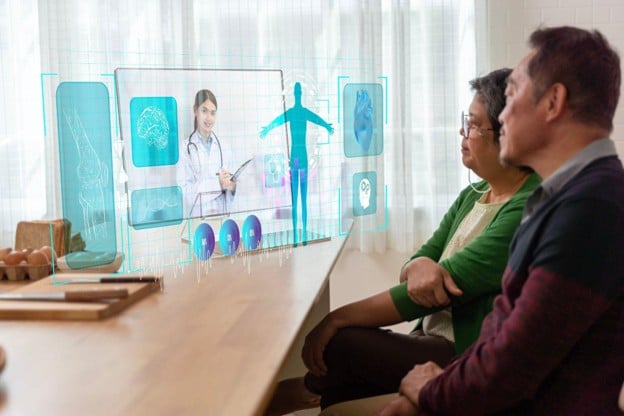
Recovery is rarely a straight line. As rehabilitation continues to evolve, Joint & Neuro Rehab Associates highlights the growing importance of what many healthcare professionals are beginning to view as functional forecasting, the ability to anticipate how a patient’s recovery journey may unfold and use that information to support more personalized care. Two patients with the same diagnosis can experience very different outcomes based on factors ranging from age and mobility to adherence, lifestyle, and overall health.
Rather than relying solely on standardized treatment pathways, emerging technologies are creating opportunities to better understand how patients respond to rehabilitation over time. According to John R. Callen, one of the most promising developments is the ability to use data and predictive insights to help clinicians make more informed decisions throughout the recovery process.
What Is Functional Forecasting?
Functional forecasting refers to the use of clinical information, patient history, performance metrics, and emerging technologies to estimate how an individual’s recovery may progress.
The goal is not to predict the future with certainty. Instead, it is to identify patterns that may help clinicians recognize opportunities, risks, and potential obstacles earlier in the rehabilitation process.
Traditional rehabilitation often relies on broad treatment frameworks based on diagnosis. Functional forecasting introduces a more individualized perspective by asking important questions such as:
- Is recovery progressing faster or slower than expected?
- Are there signs that a patient may experience setbacks?
- Could modifications improve outcomes?
- Are additional interventions needed?
- Which recovery milestones should receive greater attention?
As healthcare becomes increasingly data-driven, these questions are becoming more important across rehabilitation settings.
John R. Callen On Why Recovery Pathways Vary So Widely
One of the biggest challenges in rehabilitation is variability.
Patients recovering from similar injuries, surgeries, or neurological conditions often experience dramatically different outcomes. Factors influencing recovery may include:
- Age and overall health
- Previous injuries
- Mobility levels
- Pain tolerance
- Strength and endurance
- Home support systems
- Treatment consistency
- Lifestyle habits
Because of these variables, rehabilitation professionals must constantly adjust treatment strategies.
Joint & Neuro Rehab Associates recognizes that personalized care requires more than simply following a standardized protocol. Understanding how different factors interact throughout recovery can help clinicians deliver more targeted interventions and improve patient engagement.
The Growing Role of Artificial Intelligence in Rehabilitation
Artificial intelligence is becoming increasingly relevant across healthcare, and rehabilitation is no exception.
AI systems can analyze large amounts of information far more quickly than traditional manual processes. While technology does not replace clinical expertise, it can provide additional insights that support decision-making.
Potential applications include:
- Identifying recovery trends
- Monitoring patient progress
- Highlighting unexpected changes
- Recognizing risk factors
- Supporting treatment planning
John R. Callen notes that one of the most valuable aspects of AI is its ability to detect patterns that may not be immediately obvious during routine evaluations.
This capability helps clinicians focus their attention where it is needed most.
How Functional Forecasting May Improve Personalization
Personalization has become a major priority throughout modern healthcare.
Patients increasingly expect care plans that reflect their unique needs, goals, and circumstances. Functional forecasting supports this objective by helping clinicians move beyond generalized treatment assumptions.
Potential benefits include:
Earlier Intervention
If data suggests a patient may be falling behind expected recovery benchmarks, clinicians can respond sooner instead of waiting for larger problems to develop.
Better Goal Setting
Forecasting tools may help create more realistic and individualized recovery expectations.
More Efficient Resource Allocation
Patients requiring additional support can potentially be identified earlier, allowing healthcare providers to allocate resources more effectively.
Improved Patient Engagement
When patients better understand their recovery trajectory, they are often more motivated to remain engaged with treatment programs.
Joint & Neuro Rehab Associatesbelieves that personalization is becoming one of the defining characteristics of high-quality rehabilitation care.
Why Data Matters in Modern Recovery Planning
Healthcare generates enormous amounts of information every day.
In rehabilitation settings, valuable data may include:
- Functional assessments
- Range-of-motion measurements
- Strength testing results
- Balance evaluations
- Mobility scores
- Patient-reported outcomes
- Attendance patterns
- Recovery milestones
Historically, much of this information has been used primarily for documentation and progress reporting.
Today, however, these data points may also help identify larger trends that support clinical decision-making.
According to John R. Callen, the future of rehabilitation will likely depend not only on collecting information but also on transforming that information into actionable insights.
Technology as a Clinical Support Tool
Discussions about AI often create concerns that technology could replace healthcare professionals. In rehabilitation, the reality is very different.
Technology works best when it supports, not replaces, clinical expertise.
Experienced rehabilitation professionals continue to provide essential elements that technology cannot replicate, including:
- Clinical judgment
- Human interaction
- Motivation and encouragement
- Adaptability
- Patient education
- Emotional support
At Joint & Neuro Rehab Associates, technology is best viewed as an additional tool that can help strengthen the decision-making process rather than substitute for professional expertise.
The human element remains central to successful recovery.
Challenges and Considerations
While functional forecasting offers significant promise, implementation requires careful consideration.
Healthcare organizations must address issues such as:
- Data accuracy
- Patient privacy
- Ethical use of predictive tools
- Clinical oversight
- Technology integration
Forecasting systems are most effective when used responsibly and in combination with professional clinical evaluation.
Maintaining a patient-centered approach remains essential as technology becomes more integrated into healthcare environments.
Looking Ahead
The future of rehabilitation is likely to become increasingly personalized, proactive, and data-informed.
Advances in analytics, artificial intelligence, and digital health technologies are creating new opportunities to better understand how patients recover and how care can be optimized throughout the process.
Joint & Neuro Rehab Associatessees functional forecasting as part of a broader shift toward individualized rehabilitation strategies that focus on improving outcomes while supporting each patient’s unique recovery journey.
As these innovations continue to evolve, John R. Callen believes healthcare professionals will have greater opportunities to combine clinical expertise with predictive insights, helping patients receive care that is not only evidence-based but also increasingly tailored to their specific needs.
Ultimately, the promise of functional forecasting is not about predicting recovery with perfect accuracy. It is about providing clinicians and patients with better information, earlier insights, and stronger tools to support successful rehabilitation outcomes.