

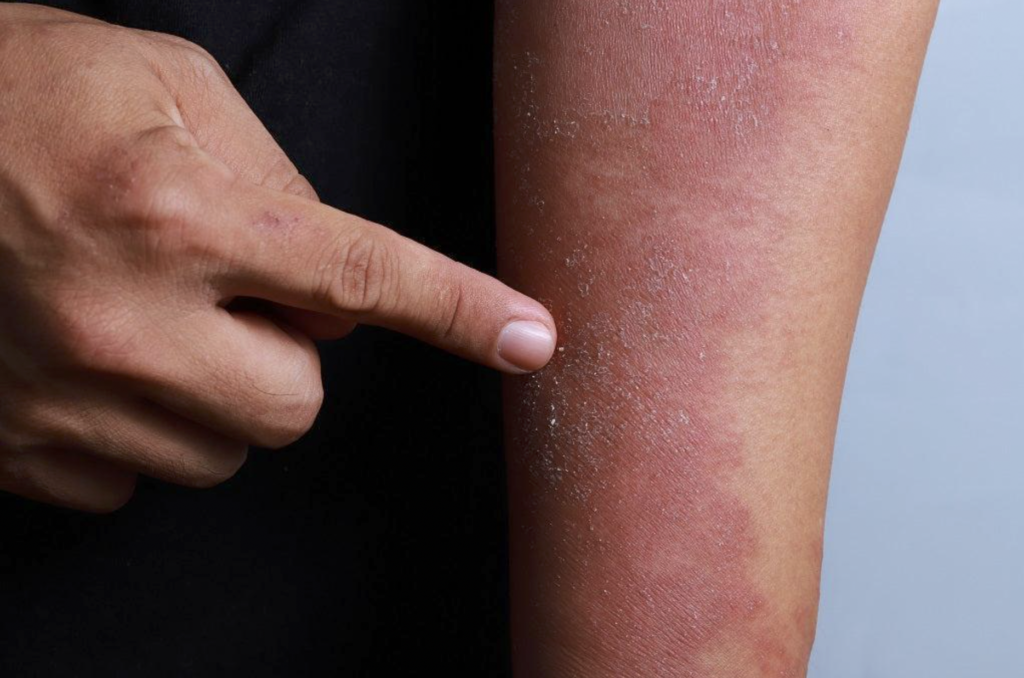
Fungal infections can make your skin, nails, or body feel itchy and uncomfortable. These infections are very common and cause problems for many people every year. This post will show you the most effective treatments for fungal infections and how to use them correctly.
Learn how to keep your symptoms under control and find relief fast.
Types of Fungal Infections
Fungal infections can affect many parts of the body and cause different symptoms. Some fungi attack areas like the skin, nails, or even private parts, each needing its own kind of care.
Skin infections (e.g., ringworm, athlete’s foot)
Ringworm and athlete’s foot are common skin infections. These problems happen when certain fungi called dermatophytes grow on the skin. They like warm, damp places such as locker rooms or sweaty shoes.
Itchy red patches often show up with ringworm while athlete’s foot can cause peeling and cracking between toes. Both spread easily by sharing towels, socks, or walking barefoot in public showers.
You can treat these conditions with topical antifungal creams and sprays found in most stores. Apply the medicine directly to the rash for one to four weeks as directed on the package or by your doctor.
According to CDC data from 2021, over 70 percent of people get better after using proper antifungal therapy for mild cases. For worse symptoms or if home treatment fails, see a healthcare provider promptly.
Skin needs time and care to heal from fungal infection, says Dr. Angela Stevens of New York Dermatology Group.
Nail infections need different types of treatment compared to basic skin issues like ringworm or athlete’s foot.
Nail infections (onychomycosis)
Nail infections, known as onychomycosis, occur when fungi infect the nails. This can lead to thickened, discolored, and brittle nails. In some cases, the nail may even separate from the nail bed.
The most common fungal pathogens are dermatophytes. These fungi thrive in warm and moist areas.
Treatments for onychomycosis include topical antifungal creams and oral antifungals. Topical treatments are applied directly to the infected nail, while oral medications work from within your body.
Treatment duration is important; it often takes several months to fully clear the infection. Following dosage guidelines helps improve outcomes without causing harm.
Skin infections also require attention due to their commonality and potential discomfort.
Vaginal yeast infections
Vaginal yeast infections happen when there is too much yeast in the vagina. This can cause itching, burning, and unusual discharge. Many factors can lead to these infections, including antibiotics, hormones, and a weakened immune system.
Topical antifungal treatments are common for this type of infection. These creams or ointments are applied directly to the affected area. Oral antifungal medications may also be prescribed for more severe cases.
Knowing how to use these treatments properly is key for effective relief.
Common Antifungal Treatments
Antifungal treatments come in different forms. You can use creams, pills, or even injections depending on the severity of your infection.
Topical antifungal creams, ointments, and sprays
Topical antifungal treatments come in creams, ointments, and sprays. They help treat skin infections like ringworm and athlete’s foot. These products are easy to apply directly on the affected area.
Follow the instructions on the label for best results.
Apply a thin layer of cream or ointment to clean, dry skin. For sprays, hold the can at least six inches away from your skin. Use these treatments as often as directed by your doctor or pharmacist.
Sticking to this plan helps fight off fungi effectively while minimizing side effects.
Oral antifungal medications
Oral antifungal medications treat fungal infections from the inside. Doctors often prescribe these pills for serious infections like nail fungus or persistent yeast infections. They help by targeting the fungi directly and stopping them from growing.
Common oral antifungals include fluconazole and terbinafine.
Patients must follow dosage guidelines carefully. Missing doses can make the treatment less effective. Side effects may occur, such as nausea or headache; knowing how to manage these is important.
Always talk to a healthcare provider if side effects are bothersome or severe. Using oral treatments properly leads to better results against stubborn fungal infections.
Intravenous antifungal treatments for severe cases
Oral antifungal medications work well for many infections, but some cases need more help. Intravenous (IV) antifungal treatments are used for severe fungal infections. These treatments go directly into the bloodstream.
They help fight off tough fungi that do not respond to other medicines.
Doctors usually give IV antifungals in a hospital setting. Patients may receive them if they have severe symptoms or weakened immune systems. Common IV antifungals include amphotericin B and voriconazole.
Treatment can last from several days to weeks, depending on the infection’s severity and response to therapy. It is vital to follow the doctor’s instructions closely while receiving these powerful medications.
Proper Use of Antifungal Treatments
Use antifungal treatments as your doctor says. Take the right dose and use them for the full length of time. This will help clear up the infection completely. Always follow the instructions on how to use these medicines correctly for best results.
Keep reading to learn more about managing side effects and other tips!
Following prescribed dosages
Following prescribed dosages is very important for treating fungal infections. Antifungal medications work best when taken as directed by a doctor. Skipping doses or taking too much can lead to treatment failure.
This may allow the infection to grow stronger or spread further.
Always check the label for instructions on how much and how often to take your medicine. If you miss a dose, take it as soon as you remember. Do not take an extra dose if it’s almost time for your next dose.
Using antifungals correctly helps clear infections faster and prevents resistance from developing in fungi.
Duration of treatment for optimal results
The duration of treatment for fungal infections is key to getting better. Most skin infections need antifungal creams or ointments for at least two to four weeks. For nail infections, oral antifungal medications may take three months or longer; nails grow slowly, so patience is important.
Vaginal yeast infections usually clear up in a few days with the right treatment.
Stopping treatment too early can lead to a return of symptoms. It’s crucial to stick with the full course your doctor prescribes. This helps kill all fungi and prevents resistance from developing.
Following these guidelines leads to effective results and faster healing from mycosis.
Avoiding overuse or misuse of antifungal medications
Using antifungal medications correctly is very important. Overusing these drugs can lead to resistance. This means the medication may not work when you really need it. Always follow your doctor’s instructions about dosage and frequency.
Taking more than recommended will not help you heal faster.
Misusing antifungals can also cause side effects. Common side effects include nausea, headache, and skin rash. If you experience these or any unusual symptoms, talk to your healthcare provider right away.
To ensure effective treatment, it’s important to understand how to apply Canesten cream on a man to address these infections properly.
Understanding proper use helps ensure effective treatment for fungal infections like mycosis or dermatophytes. Next, let’s look at how to manage the side effects of these antifungal medications properly.
Managing Side Effects of Antifungal Medications
Some antifungal medications can cause side effects like nausea or skin rashes. If you notice any strange symptoms, reach out to your doctor for advice.
Common side effects and how to address them
Antifungal medications can cause side effects. Common ones include stomach upset, headache, and skin rash. These issues often go away on their own. Drinking plenty of water helps with stomach problems.
Taking the medicine with food may also reduce nausea.
If side effects are severe or last too long, talk to your doctor. They might suggest changing the dosage or switching to a different treatment. Always follow the advice given for any medication you’re using for infections caused by fungi.
When to consult a healthcare provider
Fungal infections can often be treated at home. Some cases are mild and not serious. If symptoms do not improve within a few days, seek help from a healthcare provider. This is especially true if you have an ongoing infection that gets worse or spreads.
Consult a provider for severe symptoms, like intense pain or swelling. High fever or chills may signal a more serious issue, too. People with weakened immune systems should see a doctor sooner rather than later.
It is important to get the right antifungal treatment to avoid complications from mycosis and other infections.
Conclusion
Treating fungal infections is essential for good health. Antifungal treatments can help clear up these infections quickly. Always follow your doctor’s instructions on dosage and duration.
Watch for side effects and talk to a healthcare provider if you have concerns. Proper use of these treatments leads to better outcomes and helps prevent future problems.
By: Chris Bates