

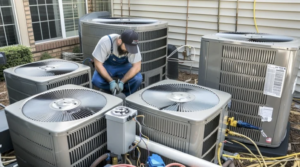
As our current winter season begins to fade and temperatures start rising around the Lakeland area, it’s now time for local homeowners to begin prepping their HVAC systems for some much-needed attention.
The odds are that your furnace or heating system has seen several months of heavy usage, which subsequently means that all of your HVAC equipment and components need to be checked out prior to switching your property into cooling mode.
We recently interviewed an industry leading HVAC company in Broomfield, Colorado to get an expert glimpse into what easy steps households of all sizes can take to improve indoor air quality (IAQ), guarantee reliable AC performance during the summer, and reduce breakdown risks prior to the arrival of warmer weather.
So, check out the below sections to learn more about some easy DIY maintenance tasks you should keep in mind this spring that don’t require technical expertise or professional tools!
Cleaning Or Replacing Your HVAC System’s Air Filters
By far one of the easiest DIY tasks that regular homeowners must keep in mind this time of year is simply replacing dirty HVAC air filters.
During the winter months, these filters tend to collect pet dander, dust, and all sorts of other nasty airborne particles that have been circulated within heating systems for who knows how long. Not only will a clogged filter restrict s system’s airflow, but it also forces everything to work unnecessarily harder—which reduces efficiency and raises monthly bills.
It’s generally advised to replace these filters around every 1-3 months, but this technically depends on your home’s indoor conditions and HVAC usage. Homes with allergy sufferers or pets will likely require more frequent filter changes.
Clearing Debris Away From Outdoor Units
A lot of homes in Lakeland feature outdoor AC units, and it’s normal for these units to collect dirt, leaves, and all sorts of other debris during the winter months. Ice, snow buildup, and windblown materials often end up blocking a system’s airflow by the time spring shows up—and this can be particularly troubling when the debris settles around the base of the unit.
The good news for locals is that you still have plenty of time to fully inspect your outdoor condenser and remove any debris that’s within two feet of the unit. This could include removing leaves, trimming back plants, and essentially ensuring that nothing comes close to obstructing the unit’s long-term airflow.
By keeping these areas clear, you can ensure efficient operations and inspect for any signs of wintertime damages like loose panels, bent fins or exposed wired.
Checking & Clearing Your Air Vents
It’s also normal for your home’s indoor vents to accumulate dust during the winter months, and this is why local homeowners should always walk through each room this time of year and ensure that vents are unobstructed and open.
You also may need to remove any dust buildup or vacuum vent covers when you notice this type of accumulation.
Proper airflow is 100% essential for your home’s springtime HVAC functionality, and simply double-checking your vents can prevent all sorts of common issues like uneven cooling when temperatures start increasing.
Thermostat Tests
Springtime also is the perfect time of year to thoroughly test your home’s thermostats and confirm they’re functioning correctly before summer’s arrival.
This could include switching your HVAC system to cooling mode, and then checking to see if your AC unit responds and starts as it’s supposed to. If your thermostat uses batteries, the spring months are also the right time to replace them in order to prevent unexpected issues and failures.
And if you haven’t yet upgraded to a smart thermostat, you might want to keep these tech-savvy components in mind due to them improving household energy efficiency and automatically adjusting temperatures based on your household’s unique daily schedule!
Inspecting Visible HVAC Components & Listening For Strange Sounds
Another relatively easy DIY maintenance task that anyone can do this spring is conducting a basic visual inspection of your HVAC system in order to potentially identify any glaring issues.
Be sure to be on the lookout for things like unusual moisture, loose connections or any rusting signs.
When you turn your system on, carefully listen for any strange sounds like grinding, rattling or buzzing noises. These sounds typically indicate common dilemmas such as mechanical issues and loose components.
However, catching these types of issues early on in the spring ultimately prevents much more expensive repair appointments in the heart of summer!
Spring Cleaning Indoor HVAC Equipment
Indoor air and furnace handlers are typically located in a home’s utility room, basement, or closet where clutter and dust tend to accumulate.
It’s important for local homeowners to keep these types of areas clear and clean during the spring season in order to improve airflow and ensure safe system operations.
You should also avoid storing any items near or up against your indoor HVAC equipment, and vacuuming these spaces on a routine basis is also highly recommended.
Scheduling Professional HVAC Maintenance Appointments
As much as we all want to do our parts and minimize our home upkeep expenditures, there are certain seasonal HVAC maintenance tasks that simply must be left in professional hands.
Your local technicians will easily be able to clean your system’s internal components, accurately check refrigerant levels, and ultimately ensure that your system is ready for the demands of the upcoming summer.
By combining your own DIY efforts with professional services, you’ll extend the lifespan of your system and improve your property’s efficiency throughout the warmer months.
Small HVAC Maintenance Efforts Make A Huge Difference In Springtime
Getting your HVAC system prepped and ready for the spring season doesn’t always require specialized industry knowledge or extensive time commitments, because simple DIY tasks can deliver tangible results.
Some of these DIY benefits include lower energy bills, improved household efficiency, and far fewer repairs during the peak of cooling season.
And when it comes down to it, Lakeland homeowners can enjoy much more comfortable home environments when they take these proactive approaches now—because no one actually likes worrying about their HVAC needs when they need their system the most!
By: Chris Bates