

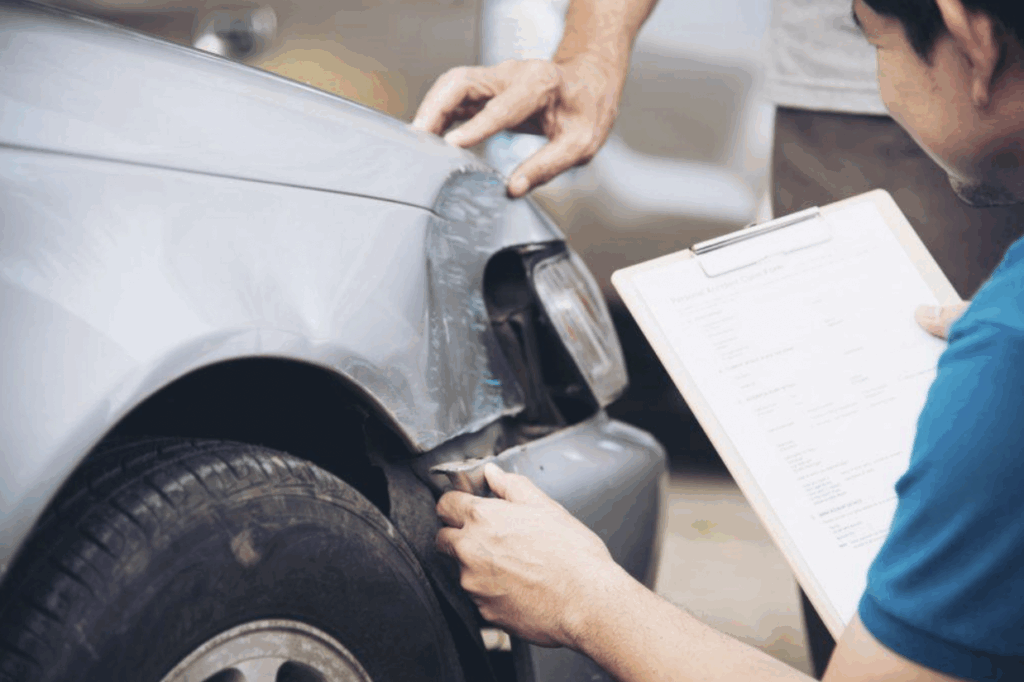
A car accident can be stressful, especially when no police report is filed at the scene. This situation is common in minor crashes where injuries seem minimal or damage appears small. Even without official documentation from law enforcement, you may still have the right to file a car accident claim and recover compensation.
Many drivers assume a claim is impossible if they forget or choose not to file a police report. In reality, insurance companies often accept other forms of evidence. Knowing the right steps can help protect your claim and avoid unnecessary delays.
Check for Injuries and Ensure Safety
Your first priority after any accident is safety. Make sure everyone involved is okay before focusing on paperwork or claims.
If possible, move vehicles out of traffic to prevent further accidents. Even minor injuries should be monitored, as symptoms can appear hours or days later.
Exchange Information with the Other Driver
Without a police report, accurate information becomes even more important. Take time to exchange details with the other driver.
Be sure to collect:
- Full name and contact information
- Insurance company and policy number
- Driver’s license number
- Vehicle make, model, and license plate
Double-check the information for accuracy before leaving the scene.
Gather Evidence at the Scene
Evidence plays a major role when no police report exists. The more details you collect, the stronger your claim may be.
Use your phone to take photos of vehicle damage, skid marks, road conditions, and traffic signs. If there are visible injuries, photograph them as well.
Talk to Witnesses if Possible
Witness statements can support your version of events. If anyone saw the accident, politely ask for their contact information.
Independent witnesses often add credibility to a claim. Their accounts can help clarify fault if there is a dispute later.
Seek Medical Attention Promptly
Even if you feel fine, seeing a doctor is a smart move. Medical records create a clear link between the accident and your injuries.
Delaying treatment can hurt both your health and your claim. Insurance companies may argue that injuries were not caused by the accident.
Notify Your Insurance Company
Report the accident to your insurer as soon as possible. Most policies require timely notice, even if no police report was filed.
Stick to the facts when describing what happened. Avoid guessing or admitting fault, as this could affect your claim.
Document Everything Related to the Accident
Good documentation can replace the role of a police report. Keep records organized and easy to access.
Important documents include:
- Photos and videos from the scene
- Medical bills and treatment notes
- Repair estimates and receipts
- Written notes about the accident
These records help show the full impact of the crash.
Understand How Fault Is Determined
Without a police report, fault is usually determined by insurance adjusters. They review evidence, statements, and damage patterns.
Adjusters may compare photos, witness accounts, and vehicle damage to decide who caused the accident. Clear documentation improves your chances of a fair outcome.
Communicate Carefully with the Other Insurer
If the other driver’s insurance company contacts you, be cautious. Their goal is to limit what they pay.
You are not required to give a recorded statement right away. Providing basic information is fine, but avoid detailed explanations without preparation.
Consider Getting Legal Advice
Some claims become complicated, especially if injuries are involved or fault is disputed. Legal guidance can help protect your interests.
An experienced professional can handle communication, gather evidence, and negotiate with insurers. This support may lead to a stronger settlement.
Know the Time Limits for Filing a Claim
Every state has deadlines for filing car accident claims. Missing these deadlines can prevent recovery, even if your case is strong.
Acting early gives you more time to build evidence and respond to insurance requests.
Final Key Takeaways
- You can file a car accident claim without a police report.
- Evidence and documentation become very important.
- Medical records help connect injuries to the accident.
- Insurance companies rely on photos, witnesses, and statements.
- Acting quickly improves your chances of success.
Filing a car accident claim without a police report takes extra care, but it is possible. By staying organized and informed, you can protect your rights and move forward with confidence.
By: Chris Bates