

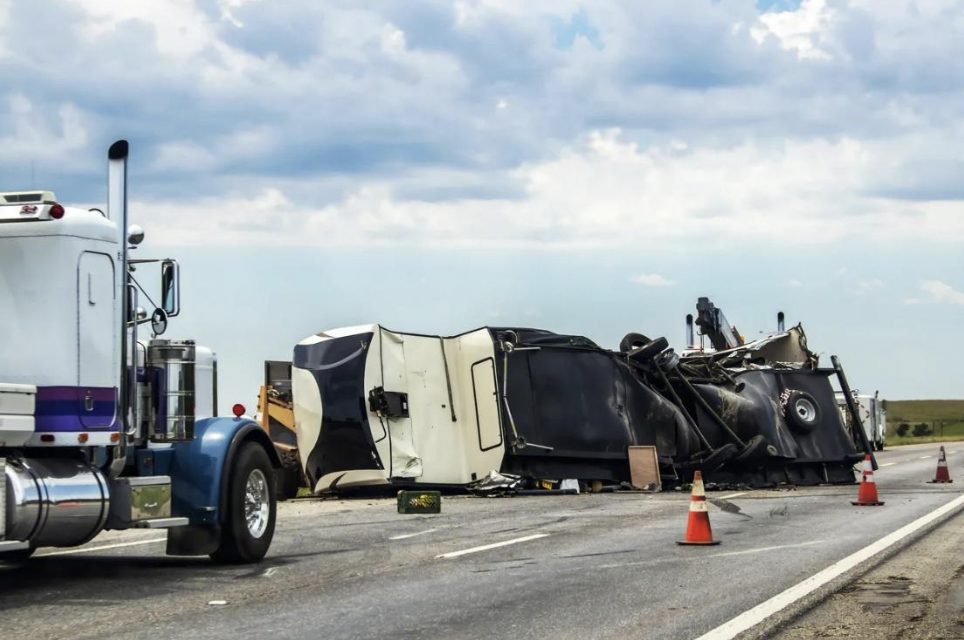
Big trucks are everywhere when you drive on highways in the United States. You see them early in the morning and late at night, carrying heavy things like coal, logs, and food that needs to stay cold. Most people do not really think about what those trucks are carrying or how hard it is to move all that weight safely.
Coal trucks and logging trucks are extra serious because what they carry is very heavy and very dangerous if something goes wrong. A truck full of coal or logs cannot stop fast, cannot turn easily, and can hurt people badly if it crashes or tips over. That is why there are safety rules, and those rules are supposed to protect everyone on the road, not just the truck driver.
Sometimes, trucking companies break these rules because they want to save time or money. When that happens, people who did nothing wrong can get hurt or even killed. That is why accidents like coal, logging, and refrigeration truck accidents are so scary and serious for families all across the country.
4 Ways Coal and Logging Trucking Companies Violate Safety Rules
These are the violations that usually occur in the industry:
- Driving Too Long Without Enough Rest
Truck drivers are not robots, even though sometimes companies act like they are. Driving a huge truck for hours and hours is tiring for the body and the brain. That is why there are rules about how long a driver can work in one day and one week.
The rules say drivers must take breaks, stop driving after a certain number of hours, and get enough time off before starting again.
Some trucking companies do not like these rules because they slow things down. So they pressure drivers to keep going, even when they are tired.
- Overloading Trucks or Loading Them the Wrong Way
Coal and logging trucks are supposed to carry only a certain amount of weight. When companies overload them, the truck becomes harder to control. It takes longer to stop, and it tips more easily, especially on curves or hills.
Sometimes the problem is not how much is loaded, but how it is loaded. When a truck is not loaded the right way, the weight does not sit where it should. Instead of being steady, the truck can start leaning to one side. Loading a truck correctly is one of the most basic safety rules there is.
- Failing to Secure Loads Like Logs and Coal Properly
Logs are very long and very heavy, and once they start moving, they are hard to stop. Coal is heavy too, and when it spills, it can cover the road and make it slippery or block cars from getting through. That is why there are rules about tying cargo down, using strong straps, and covering loads when it is needed.
When companies skip steps or use old, worn-out equipment, the load can shift while the truck is still driving. Logs can roll or slide off the back or sides. Coal can pour onto the road in piles.
When that happens, other drivers usually do not have enough time to understand what is happening, let alone react safely.
- Ignoring Maintenance and Letting Trucks Fall Apart
Some trucking companies put off fixing truck problems because repairs cost money and take trucks off the road. They might skip inspections or pretend warning signs are not serious yet. But a truck that is falling apart does not wait for a good time to break down.
When something fails while the truck is moving, the driver may lose control with no warning. Other people on the road do not get a chance to protect themselves.
That is why maintenance is not optional, and it is not something that should ever be rushed or skipped.
Key Takeaways
- Some trucking companies care more about going fast or making money than following stipulated rules.
- Truck drivers need rest because driving a huge truck for many hours is very tiring.
- Coal and logging trucks are only supposed to carry a certain amount of weight.
- Logs and coal must be tied down the right way every time.
Most accidents happen because safety rules were ignored, even though following those rules could have protected families and saved lives.
By: Chris Bates