

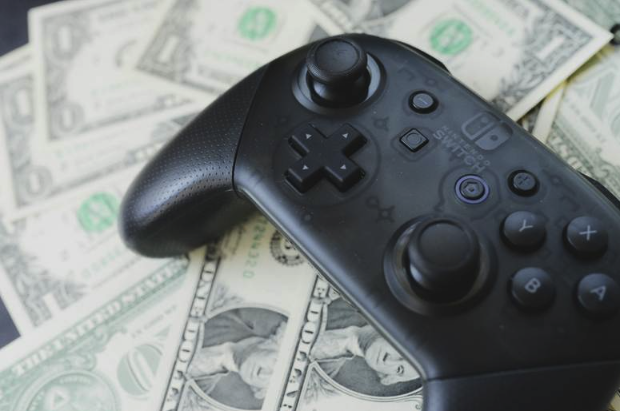
The gaming world has always felt like its own universe, but lately, something interesting has been happening. Finance and cryptocurrency aren’t just peeking in from the outside anymore; they’re now stepping right into the game worlds themselves, and not quietly, either. Today, entire games function like tiny markets where virtual stuff holds value. Buying and selling inside them feels less like playing and more like trading stocks or cash deals.
If you’ve scratched your head wondering what’s driving this crossover, here’s a look at the exact paths that finance and crypto are walking through to enter the gaming sphere.
Why Game Worlds Suddenly Feel Like Small Financial Markets
One of the strangest shifts in modern gaming isn’t happening on the screen but rather underneath it. Game economies used to run on closed, studio-controlled currencies that could never leave their little bubble. Developers printed as much as they wanted, priced items however they liked, and nothing inside those systems touched the outside world.
However, this is no longer how things work. Games are now connecting to assets that exist outside of their servers. Tokens you truly possess. Tokens that can be carried, traded, withdrawn, moved, stored, or spent in a variety of locations. Once that door was opened, game economies began to behave more like small, fast-moving financial markets rather than toy-money systems.
This is exactly where real crypto slips in without making a big entrance. A clear example is playing with ADA. Cardano is getting picked up in gaming and online gambling platforms because it moves quickly, costs almost nothing to transfer, and doesn’t expose your personal details the way bank cards do. It’s not everywhere yet, but plenty of crypto casino sites already accept it, and the good ones even make deposits and withdrawals easy, whether you’re using a wallet or a regular bank card.
Once players can pull a token back out of a game just as easily as they spent it, the whole thing stops feeling like “game money.” It becomes real money moving through a digital world, which is exactly how finance slips into gaming.
When Cosmetics Started Acting Like Collectibles
Have you noticed how some players stopped deleting their accounts when they quit games? There’s a reason for that. Today, players are preserving their accounts, sometimes for years, just because of what was sitting in their inventories.
Gamers didn’t use to do this. Back then, if you were done with a game, you were done. The stuff that you earned had zero meaning the moment you exited the game. But somewhere along the way, certain items started holding their value long after the gameplay itself got stale.
Part of it comes from scarcity that actually sticks. Limited-run events, retired battle passes, and discontinued cosmetics are all digital objects that couldn’t be replicated or re-released. And unlike the old days, where developers could just spawn another batch whenever they liked, some modern systems make that genuinely difficult to do.
So now, players are sitting on inventories that they haven’t touched in months, but won’t let go of. They’re watching third-party marketplaces. They’re checking price trends. They’re treating a five-year-old emote the same way someone might treat a vintage watch, not because it does anything special, but because it’s rare and someone else wants it.
This is a totally different entry point for finance than the currency side. It’s not about tokens moving in and out of games. It’s about the objects themselves developing lasting worth, independent of whether anyone’s actually using them. The moment players start holding items for appreciation rather than enjoyment, you’ve crossed into investment territory without ever touching a blockchain or a crypto wallet.
Getting Started Is Easier Than It Looks
For players who do end up using actual crypto in games, though, there’s a common misconception that it’s complicated and not at all beginner-friendly.
Sure, with all the talk about private keys and seed wallets, it does sound intimidating at first. But the truth is, players who have never even touched crypto will absolutely set up a wallet in a few minutes if it means that they get to play a game they’ve been wanting to try or claim an item that they really like. The motivation is there. They’re not trying to be a blockchain expert or learn about decentralization philosophy. They just want their stuff, and if a wallet is the tool that gets them there, they will definitely figure it out.
This is why gaming platforms have also gotten smarter about onboarding. Today, a lot of them hide the technical bits behind simple interfaces. You click “connect wallet”, scan a QR code with your phone, and you’re in. That’s it. All the technical stuff happens in the background. Players don’t need to know how it works any more than they need to understand payment processing when they use a credit card.
The barrier to entry keeps dropping, and that’s exactly how finance and cryptocurrency slip into gaming. Not through force, but through paths of least resistance that players willingly walk down themselves.
By Chris Bates