
Key Takeaways
- Creative projects enhance engagement and deepen understanding of subjects.
- Hands-on activities cater to diverse learning styles and promote critical thinking.
- Integrating arts and crafts can make learning more enjoyable and memorable.
Introduction
Third grade marks a significant leap for young learners as they shift from absorbing foundational skills to tackling more intricate concepts. Integrating innovative and hands-on projects into the curriculum helps solidify these new concepts and keeps students enthusiastic about learning. Activities that blend arts, critical thinking, and collaboration are especially beneficial, supporting academic and social growth. For educators seeking inspiration or concrete examples, reviewing third grade writing samples can provide fresh ideas and practical classroom applications tailored to this age group.
Creative classroom projects allow students to explore different ways of expressing themselves through writing, art, or collaborative work. These experiences are essential for developing well-rounded skills and confidence, making learning impactful and memorable. As teachers plan lessons, incorporating multidisciplinary projects ensures all learners are engaged, regardless of their unique strengths or interests.
Additionally, studies show that when children have opportunities to work with their hands and make choices in their learning, they are more likely to retain information and develop a positive attitude towards school. Projects rooted in creativity align with academic standards and help build crucial life skills such as teamwork, communication, and problem-solving.
Educators may benefit from exploring research and recommendations featured by Edutopia, a renowned educational resource, to further expand on practical techniques for student engagement and classroom creativity.
Paper Mâché Animal Sculptures
Paper mâché animal sculptures are a classroom favorite for good reason. This project combines art, science, and presentation skills, providing a comprehensive learning experience. Students start by selecting an animal of interest and researching key facts about its habitat and diet. The artistic process of layering paper and glue helps develop fine motor skills and allows plenty of creativity. Once completed, students proudly share their sculptures and accompanying research with the class.
Collage Self-Portraits
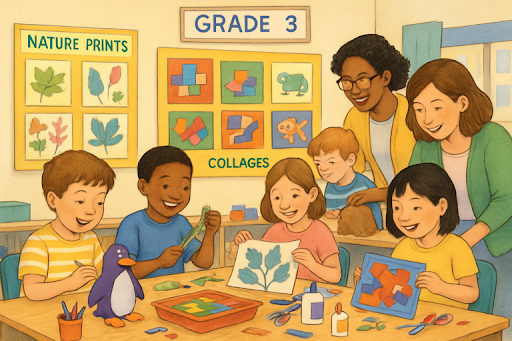
Self-portrait collages are a powerful way for students to express their personalities and interests. Using magazine clippings, fabric scraps, and assorted buttons, each child’s collage becomes a personal reflection. This artistic approach goes beyond visual art—it encourages students to think critically about what makes them unique, fostering self-awareness and a sense of classroom belonging. Displaying these portraits can build community and mutual respect among classmates.
Abstract Watercolor Landscapes
Watercolor landscapes introduce students to new artistic techniques and encourage experimentation. Students can create imaginative and abstract representations of the world around them by using bright colors and allowing the water to flow naturally. This project also presents an opportunity to discuss elements of nature, geography, and even emotional expression through color. Finished works can be proudly displayed, celebrating each student’s unique vision.
Clay Pinch Pots
Working with clay allows students to engage in tactile, three-dimensional art. Creating pinch pots strengthens hand muscles and introduces basic pottery techniques such as shaping and decorating. After the clay dries, students can paint or glaze their pots, adding an extra layer of creative decision-making. This project doesn’t just produce memorable keepsakes—it nurtures patience, perseverance, and an appreciation for craftsmanship.
Recycled Material Sculptures
Promoting sustainability and resourcefulness, recycled material sculpture projects ask students to transform everyday waste—like cardboard, plastic bottles, or egg cartons—into imaginative works of art. This project emphasizes environmental responsibility and sparks creative problem-solving. Students learn to prioritize planning and cooperation by working solo or in teams, turning potential trash into treasured creations.
Nature Prints
Taking art outdoors, nature print projects encourage students to collect leaves, flowers, and twigs to use as natural stamps. Children explore botanical diversity and natural patterns by coating gathered items with paint or ink and pressing them onto paper. This hands-on activity seamlessly weaves together art and science, promoting curiosity about the environment while enhancing observational skills. The process and the resulting prints make for excellent displays or portfolio entries.
Optical Illusion Drawings
Optical illusion drawings introduce a sense of wonder and complexity to the art curriculum. Students learn how to create designs that appear to jump off the page or trick the eye, blending math and visual art concepts. This project requires students to be attentive and detail-oriented, as minor adjustments can change the illusion’s effect. These lessons also help demystify hard-to-understand geometric principles in a fun, approachable way, as resources from Common Sense Education suggest.
Collagraph Printing
Collagraphy is an exciting introduction to printmaking for third graders. Students build printing plates using textured materials like cardboard, yarn, and foam, which they then ink and press onto paper. This multi-step process nurtures patience and rewards experimentation, as every print may come out slightly different. The focus on patterns, repetition, and creativity integrates artistic expression and basic engineering concepts.
Nurturing creativity and curiosity in third graders requires thoughtful planning and a willingness to try new approaches. By weaving engaging, hands-on projects into lessons, educators help every student shine and develop essential skills for the future. Combining art, science, sustainability, and self-expression, these classroom projects are vital for making learning meaningful and fun.