

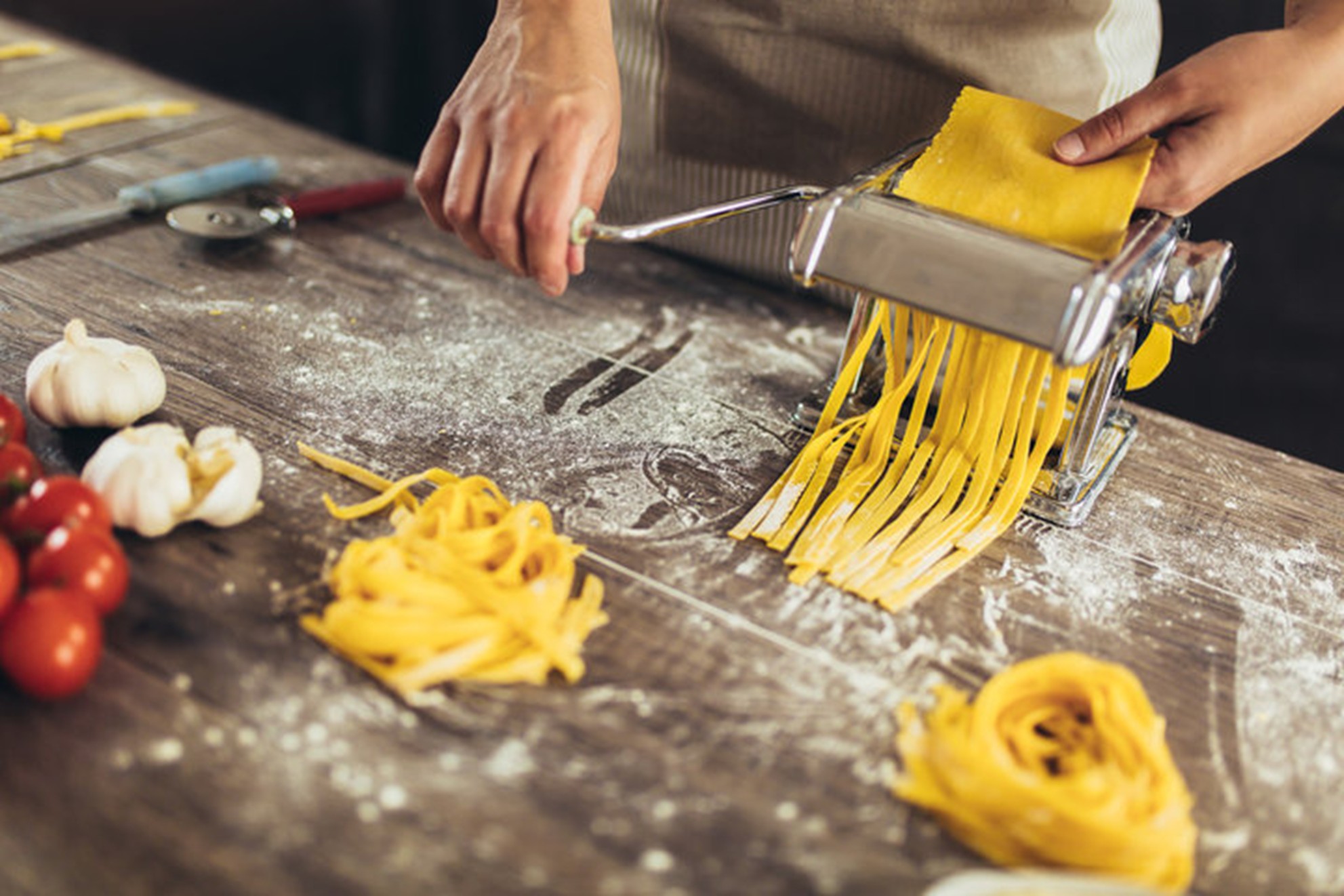
There are times in the kitchen when you’re cooking and then there are times when you’re creating something out of the ordinary. It doesn’t happen with a jar of sauce or a package of dried spaghetti. It takes place when flour covers the counter, eggs are cracked into the middle of a well, and hands slowly turn simple ingredients into something amazing. And that’s the quiet magic of fresh pasta: it takes thought to make dinner into an experience.
Eric Ryan Denfeld is a software developer by day and a gardener, golfer, and cook by night. Making pasta is more than just a weekend job for him. It shows how slowing down and getting involved with the process directly can lead to effects that can’t be made with mass production. He often says that food should have both skill and care in it, because that’s where taste really comes from.
Why Fresh Dough Matters
Most home cooks are used to dried pasta, and it’s fair because it is affordable, convenient, and also has a shelf life of months. But again, there’s something so therapeutic and serene about creating something from ground-up and scratch. When fresh dough shifts, the texture and the taste change significantly, it’s noticeable. Where dried pasta tends to be firm, sometimes even brittle, fresh dough offers tenderness, elasticity, and an ability to carry sauces in a way that feels both light and substantial.
Eric Denfeld highlights that making fresh pasta isn’t about rejecting modern convenience. Instead, it’s about appreciating the tactile qualities of food. The dough tells you when it’s too dry or too wet, when it needs more kneading, and when it’s ready to rest. That dialogue between cook and ingredient is lost when pasta comes from a box.
The Science Behind Simplicity
At its core, fresh pasta is just flour and eggs, with a little olive oil or water added here and there. But that ease of use is misleading. It matters what kind of flour you use. All-purpose flour makes the bite lighter, while semolina flour gives the noodles the familiar chew of traditional Italian noodles. Even humidity in the kitchen can influence how much moisture the dough requires.
Eric Ryan Denfeld approaches pasta-making the way he might approach a complex project in software: by paying attention to small details that compound into meaningful results. In pasta preparation, this entails avoiding shortcuts such as excessive hydration of the dough or omitting the resting phase. Similar to a hastily executed algorithm that may fail, a hurriedly prepared dough can become sticky, dense, or inconsistent.
Technique: Where Texture Is Made
Rolling fresh pasta by hand is both meditative and physical. A wooden rolling pin converts the dough ball into a uniformly thin sheet essential for proper cooking. For individuals with pasta machines, the procedure transforms into an endeavor of precision, passing dough through rollers at progressively reduced settings until the ideal thinness is attained.
Here, Eric Denfeld notes, patience is rewarded. Uneven pasta won’t just look clumsy; it will cook inconsistently, leaving some bites underdone and others overdone. By practicing steady pressure and deliberate movement, home cooks develop both a rhythm and a respect for the process.
Pairing Shape with Sauce
The relationship between pasta shape and sauce is arguably the most neglected aspect of pasta-making. Fresh fettuccine absorbs cream-based sauces with finesse, while ravioli pockets accommodate rich contents that explode upon serving. Orecchiette, like little ears, ensnare substantial veggies or sausage.
Eric Ryan Denfeld emphasizes that this pairing is what elevates fresh pasta from novelty to necessity. He states that when the texture of the pasta works well with the sauce, only then does the dish become cohesive.
Practical Advice for Home Cooks
For those ready to try fresh pasta at home, Eric Ryan Denfeld offers straightforward guidance:
- Start Simple – Fettuccine and tagliatelle are accommodating shapes that allow novices to concentrate on dough consistency rather than complex cutting techniques.
- Rest Matters – Giving dough at least 30 minutes to relax allows gluten to settle, making rolling easier and texture smoother.
- Use of Flour – Utilize an ample amount of flour throughout the rolling process. Preventing adhesion guarantees that noodles remain separate during cooking.
- Cook Quickly – Fresh pasta requires only two to four minutes in boiling water, any longer and the texture deteriorates.
He also suggests embracing imperfections. He mentions that every sheet of hand-rolled pasta will never look the same, and that imperfection is what makes it so unique. You’re not a machine, so allow yourself to make some mistakes.

Beyond the Plate
The immediate benefit of fresh pasta lies in its flavor, while the greater advantage is in the connection. Families gather around a floured table, children press dough into playful shapes, and meals linger longer when everyone participates in preparation.
As per Eric Denfeld, once you start making pasta at home, there’s no going back. He says that fresh pasta carries the effort, the intention, and the satisfaction of knowing you shaped it yourself. And that makes every bite more meaningful. It’s hard to disagree with that.