

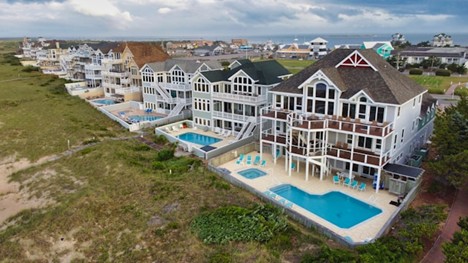
For many buyers and sellers, timing is everything in real estate. Nowhere is this truer than in coastal communities, where lifestyle, tourism, and weather all shape the housing market in unique ways. Whether you’re a year-round resident, a second-home buyer, or an investor, understanding how the calendar affects property values and demand can make a world of difference. In markets like Ocean City, NJ real estate, the seasonal ebb and flow dictates not only when buyers are most active but also how sellers position their homes to capture interest.
The Unique Rhythms of Shore Markets
Unlike urban or suburban areas where housing demand is steady year-round, coastal markets experience more dramatic fluctuations. These cycles are influenced by:
- Tourist seasons that drive demand for rentals and second homes.
- Weather patterns that make certain times of the year more appealing for property tours.
- Holiday periods when families are considering long-term investments.
- Local events and festivals that draw attention to the community.
- Shore towns live by the seasons, and so does their housing activity.
The Kickoff to the Selling Season
Spring traditionally marks the beginning of the busiest selling season in coastal markets. As the weather warms and daylight hours increase, buyers are more willing to tour homes and imagine themselves enjoying summers by the water.
Spring offers several advantages for home sellers. Fresh curb appeal is at its peak during this season, with blooming landscapes and mild weather making properties look their best. Many buyers are also planning around family schedules, aiming to close before summer break to fully enjoy their new homes. Listing in spring positions sellers ahead of the heavy influx of summer buyers, giving their property a competitive edge in the market.
For buyers, spring often provides the best opportunities in terms of inventory. With more homes being listed, buyers have a wider range of choices and can find properties that suit their needs and budgets. Closing in spring also allows families to settle in before the busy summer months, maximizing enjoyment of their new homes during peak vacation periods. Because the market moves quickly during this season, careful preparation is essential for both sellers and buyers to take full advantage of these opportunities.
High Demand and Tourist-Driven Momentum in Summer
Summer is the crown jewel for coastal markets. With schools out, families flock to the shore for vacations and many start to dream of owning property in the area. This surge in foot traffic creates heightened competition.
Summer provides significant advantages for sellers. With peak exposure, more visitors are touring homes, increasing the pool of potential buyers. Owners of investment properties can leverage active rental income to attract interest and demonstrate value. Additionally, strong demand during this season can drive higher prices and even trigger bidding wars, particularly for homes located near the beach or other desirable summer destinations.
For buyers, summer can be a more challenging market. Increased demand often leads to fierce competition, driving prices up and limiting negotiating power. The excitement of summer activities may also push buyers toward more emotional or rushed decisions. Furthermore, high rental activity during this season can make scheduling showings more difficult. To succeed, preparation is key: obtaining pre-approval, acting quickly, and working with knowledgeable local agents can make the difference between securing a dream property and missing out.
A Season of Opportunity
As the summer crowds fade, fall brings a quieter but still active real estate market. While inventory may shrink compared to spring and summer, motivated sellers often remain, creating opportunities for both buyers and sellers.
Fall buyers are typically more serious and committed, rather than casually browsing. With fewer new listings, properties have a chance to stand out in a less crowded market. Additionally, buyers are often attracted to the appeal of off-season tranquility, which can make a home seem even more inviting.
Fall can be an advantageous time for buyers as well. Sellers may be more willing to negotiate after the busy summer season, and with fewer buyers in the market, there’s greater room to secure favorable terms. Seasonal changes also provide insight into a property’s performance in stormier weather or cooler temperatures, giving buyers a more complete picture before making a decision. Overall, fall often offers a sweet spot where motivated sellers and savvy buyers can strike mutually beneficial deals.
The Quiet Season with Hidden Advantages
Winter is typically the slowest season for coastal home sales. Colder weather, holiday distractions, and fewer tourists all contribute to reduced market activity. However, this quieter season also presents unique opportunities for both buyers and sellers.
With fewer listings on the market, sellers face less direct competition, allowing their properties to stand out. Buyers who are active during winter are often highly motivated, whether due to relocation, work deadlines, or investment opportunities. Additionally, presenting a home well during the colder months can showcase its year-round appeal, proving it’s not just a seasonal getaway.
For buyers, winter offers the potential for bargains, as sellers may be more willing to negotiate, particularly if their property has been listed since fall. Slower market conditions also provide more time for due diligence, allowing buyers to thoroughly inspect and research a property before committing. Purchasing in winter can be strategic for investment purposes, giving buyers time to prepare a property for rental income or summer enjoyment. Overall, winter rewards patience and strategy, offering both buyers and sellers the chance to engage in less hectic, more deliberate negotiations.
The Role of Weather and Storm Preparedness
In coastal areas, weather is more than a backdrop, it’s a deciding factor in property desirability. Prospective buyers often consider:
Storm resilience: How a property holds up during heavy rains, hurricanes, or nor’easters.
Flood zones: Insurance costs and required protections can significantly impact affordability.
Seasonal accessibility: Whether the property is usable or desirable year-round.
Properties that demonstrate preparedness, such as elevated construction, durable siding, or storm shutters, can command higher value regardless of the season.

The Psychology of Seasonal Buyers
Seasonal trends aren’t just about timing, they’re about mindset. Buyers behave differently depending on when they enter the market.
Spring and summer buyers: Often motivated by lifestyle dreams and emotional appeal.
Fall buyers: Typically practical, weighing long-term investment value.
Winter buyers: Usually goal-driven, with financial or logistical reasons pushing the purchase.
Understanding buyer psychology helps sellers market their homes effectively and buyers understand their own motivations.
Strategies for Sellers to Maximize Seasonal Impact
Timing your listing wisely is essential for maximizing results in coastal real estate. For sellers, spring or early summer often provides the most exposure, when buyers are actively searching and properties show at their best. Seasonal staging can also make a difference – highlight outdoor spaces and summer fun during warmer months, or showcase cozy features and indoor appeal in winter. For off-season buyers, emphasizing rental income and investment potential can attract serious interest. Staying flexible with pricing and negotiation strategies allows sellers to align with the mindset of seasonal buyers and capitalize on market conditions.
Buyers can also use seasonal trends to their advantage. Shopping in off-peak seasons, such as fall or winter, often provides better negotiation opportunities, while getting pre-approved early helps prepare for competitive spring and summer markets. Considering long-term costs, including year-round maintenance, ensures smarter investment decisions. Leveraging local expertise is equally important, as shore markets have unique quirks that a knowledgeable agent can help navigate.
Ultimately, success in coastal real estate is shaped by timing. Each season brings its own opportunities and challenges, influenced by tourism, weather, and buyer behavior. By understanding how seasonal trends affect home sales, both sellers and buyers can make strategic decisions—whether it’s taking advantage of the bustling summer market, the fresh energy of spring, the quieter opportunities of fall, or the hidden bargains of winter. Recognizing the power of timing allows all parties to position themselves for smarter, more successful transactions.