

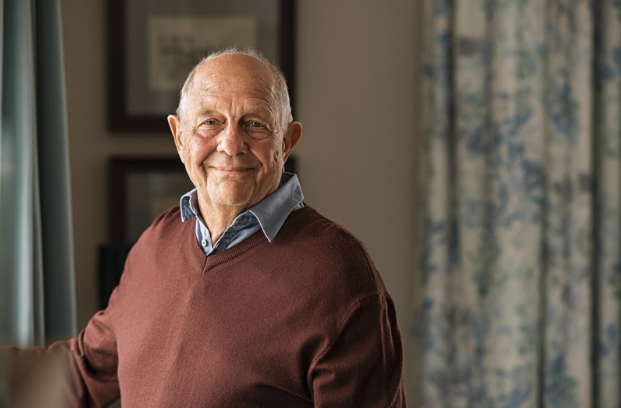
Have you ever wondered why seniors often stay quiet about their feelings?
Many older adults face mental health struggles that go unseen and untreated. Fear, shame, or past experiences can make talking about emotions very hard for them. Society often overlooks these challenges and assumes seniors are always strong and resilient.
Learning how to break this silence can change lives for the better. Read on to see how communities can help seniors speak up.
Open Conversations
Seniors can feel nervous talking about their feelings with others. Fear or past experiences may make them stay quiet. Communities can help by giving seniors safe spaces to speak freely.
Friends, neighbors, or small groups can gently start talks without pressure. Learning to understand senior mental health stigma shows why some seniors stay silent.
When people listen with care, older adults feel braver to share their thoughts. Talking openly can make life feel lighter and happier for everyone. Encouraging regular chats can slowly make sharing feelings feel normal.
Peer Support Groups
Joining peer groups can help seniors feel connected and less alone. Talking with others who face similar challenges makes sharing feelings easier.
Groups can meet in community centers or even online spaces that feel safe. Listening to others’ experiences often inspires the courage to speak openly. When seniors encourage each other, trust and friendship grow naturally.
These groups can also suggest helpful activities that improve mood and confidence. Feeling part of a caring circle can make daily life brighter and calmer for everyone involved.
Accessible Counseling Services
Counseling can give seniors a safe place to share their emotions freely. Professionals help them understand feelings and offer ways to handle worries. Sessions can be in clinics, homes, or online, depending on what seniors need.
Friends or family can help schedule appointments to make access easier. Talking with a counselor often reduces stress and improves overall well-being.
Supportive guidance teaches skills for dealing with challenges day by day. When seniors use these services, they feel stronger and more confident in life.
Awareness Events
Community events help seniors learn about mental health in simple ways. Talks, workshops, or local fairs give older adults chances to ask questions. Seeing other people join often makes seniors feel safe to speak.
Events can show ways to handle stress and share emotions. Volunteers and leaders make everyone feel welcome and included. Attending these activities can help reduce fear or shame about mental health.
Being part of events helps seniors meet others and feel more connected to their community. These gatherings can inspire seniors to start talking about feelings at home.
Family Involvement
Family members can help seniors feel safe to share their feelings often. Listening with care and patience builds trust and closeness each day.
Families can join activities, go to counseling, or check in gently at home. Offering support and encouragement helps seniors speak without worry or fear. Helping older adults with emotions can reduce stress and loneliness over time.
When families stay involved, seniors feel valued and understood in daily life. Loving support can improve mental health and make family bonds stronger.
Break the Stigma of Mental Health Today
Mental health is important at every age, and seniors deserve care and support. Breaking the silence can help them feel seen and understood. Communities that listen and offer help make life easier for older adults.
Small actions can create big changes in their well-being. Everyone can play a part in making seniors feel safe to share their feelings.
Check out our other posts for more helpful guides and tips!
By Chris Bates