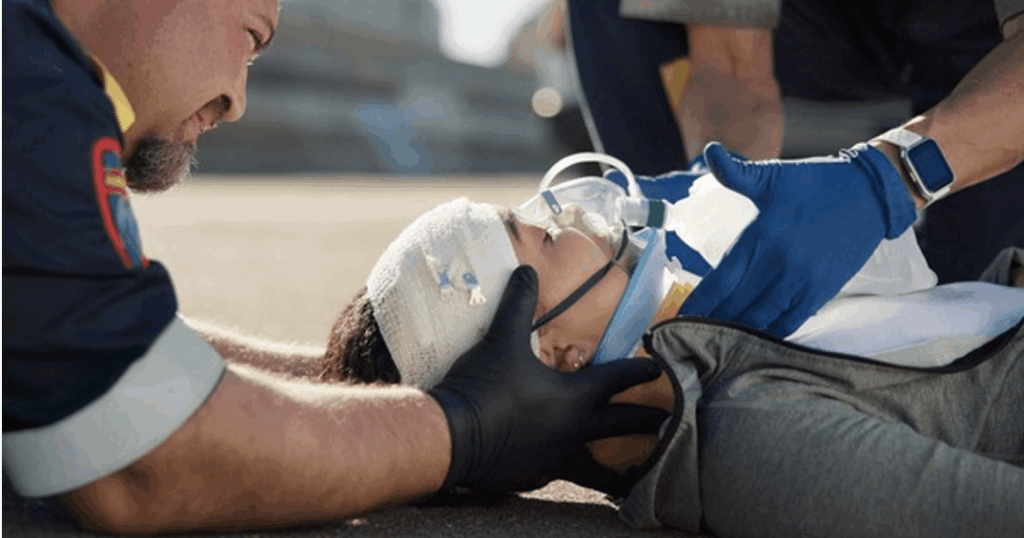
You walk away from the crash, shaken but seemingly okay. No blood, no broken bones—just a few bruises and a pounding heart. It’s tempting to brush it off and get on with your day. But what if your body hides something far more serious beneath the surface?
Many injuries from car accidents don’t show up right away. Internal bleeding, concussions, and whiplash—they can all lie in wait, quietly worsening until they become life-threatening. Getting immediate medical attention isn’t just bright—it could save your life. Even if you feel “okay,” you should still get checked out. And while you’re at it, consider contacting car accident lawyers in your area to help protect your rights and navigate the legal process.
Delaying medical care can also damage your injury claim. Insurance companies look for any excuse to deny or reduce compensation, and a gap between the accident and your first doctor visit gives them the ammunition they need.
Read on to discover why seeing a doctor after a crash is one of the most important steps you can take for both your health and your case.
Why Immediate Medical Attention Matters After a Car Accident
Car accidents are traumatic events, and the body’s natural response—flooding your system with adrenaline—can mask pain and injuries. What feels like minor soreness today could turn into chronic pain tomorrow. Here’s why you should never skip a medical evaluation, no matter how “fine” you feel.
Hidden Injuries Can Be Life-Threatening
Some of the most dangerous injuries don’t show immediate symptoms. For example:
- Whiplash – often delayed, causing neck stiffness, headaches, and dizziness days later.
- Internal bleeding – No visible signs until it becomes an emergency.
- Concussions – Memory loss, confusion, and nausea may develop hours after impact.
- Soft tissue damage – Ligament tears and muscle strains worsen without treatment.
Without a medical exam, these conditions can escalate, leading to long-term complications.
Medical Records Strengthen Your Legal Case
Documentation is critical if you plan to file an insurance claim or lawsuit. Under state tort laws, you must prove that your injuries were caused by the accident, and insurers will look for gaps in treatment to dispute your claim.
Key reasons medical records matter:
- Establishes causation – Links injuries directly to the crash.
- Shows severity – Proves you sought timely care, countering claims of exaggeration.
- Supports compensation – Bills, diagnoses, and treatment plans justify settlement demands.
Courts often follow the “eggshell plaintiff” rule, meaning the at-fault party is liable for all injuries, even if a victim had a pre-existing condition worsened by the crash. But without medical proof, recovering full compensation becomes much more complicated.
Insurance Companies Use Delays Against You
Insurers are businesses—their goal is to pay as little as possible. A common tactic is arguing that:
- Your injuries weren’t serious enough for immediate care.
- You were hurt after the accident (e.g., at work or in another incident).
States like California (Civil Code § 3283) and Texas (Civil Practice & Remedies Code § 16.003) impose strict deadlines for filing injury claims. Delaying medical care can jeopardize your case before it even begins.
Long-Term Health Risks of Skipping Care
Ignoring medical advice can lead to:
- Chronic pain from untreated fractures or nerve damage.
- Permanent mobility issues due to undiagnosed spinal injuries.
- Cognitive decline if a concussion goes unmanaged.
Early intervention improves recovery outcomes and prevents minor injuries from becoming disabling.
What to Do After Seeking Medical Help
- Keep all medical records – Save bills, diagnoses, and treatment plans.
- Follow your doctor’s orders – Skipping physical therapy or medications hurts recovery and your claim.
- Track your symptoms – In a journal, note pain levels, mobility issues, and emotional distress.
- Avoid discussing fault – Don’t admit guilt to insurers or on social media.
Final Thoughts on Timely Medical Care
After a car accident, your well-being should be your top priority. Even if you feel fine, your body might tell a different story beneath the surface. Immediate medical care helps ensure that nothing is missed while also providing the support you need to recover fully, physically, emotionally, and legally.
By: Chris Bates