

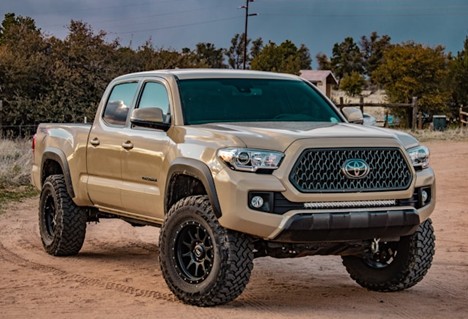
Custom lifted trucks are the perfect blend of form and function. They provide superior ground clearance, enhanced off-roading capabilities, and a bold, attention-grabbing appearance. Off-road wheel and tire packages are often a key part of the customization. However, maintaining a custom lifted truck requires more than just regular oil changes and tire rotations. With upgrades like lift kits, suspension systems, off-road wheels, and oversized tires, it’s crucial to keep all components in top condition to ensure optimal performance and longevity. The following article discusses some essential maintenance tips to help your custom lifted truck stay in peak shape for years to come.
Routine Suspension Maintenance
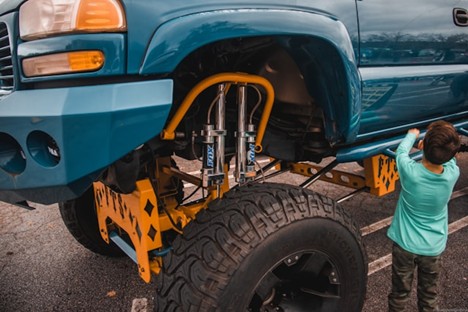
The suspension system in a lifted truck undergoes more stress than that in a stock vehicle. The added height and weight can strain components like shocks, springs, and control arms. Regular maintenance is critical to avoid premature wear and ensure your truck’s ride remains smooth, especially when tackling off-road trails.
Inspect Shocks and Struts
Shocks and struts are crucial for absorbing impacts, especially when your truck is raised higher than stock. Over time, shocks and struts can wear out, leading to a rougher ride, reduced handling, and an increase in the risk of suspension failure. Inspect your shocks and struts regularly for leaks or visible signs of wear, such as worn bushings or excessive dirt build-up. If you notice any issues, replace them with high-quality aftermarket shocks designed for lifted trucks.
Check for Suspension Misalignment
After installing a lift kit, alignment issues can arise. Misaligned suspension components can cause uneven tire wear and affect your truck’s handling. To keep your lifted truck in prime condition, have the suspension checked and realigned by professionals every 6-12 months, or sooner if you notice any pulling or drifting while driving.
Lubricate Moving Parts
Components like the control arms, bushings, and sway bar links need regular lubrication to prevent premature wear. Check for any squeaks or unusual noises, which may be a sign that the grease is drying out or the bushings are starting to wear. Apply grease to the necessary parts to keep them in smooth working order. Also, inspect the bushings for cracks or damage and replace them as needed.
Tire Care and Maintenance
Tires are one of the most crucial parts of any truck, and when you’ve got oversized tires on your custom lifted truck, taking care of them becomes even more important. Ensuring that your tires stay in good shape is key to maintaining performance and safety.
Tire Rotation and Alignment
With a lifted truck, your tires are exposed to different stress than stock tires, especially on uneven terrain. Regularly rotating your tires helps distribute wear evenly, allowing for better performance and longevity. Depending on your truck’s use, rotate your tires every 5,000 to 7,000 miles.
Additionally, since a lift can affect your truck’s alignment, it’s essential to have your alignment checked regularly, especially after making any adjustments to the lift kit. Misalignment can lead to premature tire wear and can impact your handling.
Check Tire Pressure Regularly
Lifted trucks often have larger, heavier tires, and maintaining the correct tire pressure is critical. Low tire pressure can cause uneven wear, reduced fuel efficiency, and a less smooth ride. On the other hand, overinflated tires can lead to tire blowouts or reduced traction, particularly when off-roading. Check your tire pressure at least once a month and after any extreme driving conditions.
Inspect for Wear and Damage
Tires on lifted trucks are prone to more wear from off-roading or rough driving conditions. Regularly inspect your tires for cracks, bulges, or punctures. If you notice uneven wear patterns, it could indicate a suspension issue or alignment problem that needs to be addressed.
Maintaining Your Lift Kit
Lift kits are one of the primary components that set lifted trucks apart from stock vehicles. While these kits are designed to improve the truck’s clearance, handling, and off-road capability, they also require specific care to ensure they stay in optimal working condition.
Inspect the Lift Kit Components
Whether you’ve installed a body lift or a suspension lift, it’s essential to inspect the components regularly. Check for loose bolts, worn-out bushings, or cracked or damaged frame supports. The lift kit’s brackets, shock absorbers, and control arms can all wear out over time, especially if you frequently drive on rough terrain. Tighten any loose bolts and replace any damaged parts promptly.
Check for Any Leaks
Hydraulic and air lift kits can develop leaks over time, causing loss of lift and reduced ride quality. Inspect hydraulic or air lines for any signs of fluid leaks or damage. If you find any issues, repair or replace the components to ensure that your lift kit continues to perform as intended.
Ensure Proper Ride Height
Over time, springs can sag, or air pressure can decrease, leading to a lower truck height. If the ride height isn’t at the desired level, have a professional check the lift components and make necessary adjustments.
Brake System Checks
With larger tires and a lifted stance, your truck’s braking system has to work harder to slow down the increased weight and momentum. Regularly checking and maintaining the brake system is crucial for safety and performance.
Inspect Brake Pads and Rotors
Larger tires and wheels put additional strain on your truck’s brake pads and rotors, so it’s essential to inspect them regularly. Look for signs of uneven wear, grooves, or cracks in the rotors. If you notice your truck pulling to one side or experiencing vibrations during braking, it could indicate that the brake pads are worn unevenly and need to be replaced.
Check Brake Lines and Fluid Levels
Lifted trucks are often exposed to more demanding driving conditions, especially off-road. Ensure that your brake lines are intact and that there are no leaks or abrasions. Additionally, check your brake fluid levels and top up as necessary to maintain optimal braking performance.
Engine and Transmission Maintenance
While the engine and transmission aren’t directly impacted by the lift, they do work harder with larger tires, increased weight, and off-road use. Keeping them in top shape will ensure your truck runs smoothly, even under challenging conditions.
Change the Oil Regularly
Changing the oil and replacing the filter is one of the most important steps in keeping your lifted truck’s engine healthy. Check your owner’s manual for the recommended oil change interval, but typically every 3,000 to 7,000 miles is a good guideline for most trucks.
Monitor Transmission Fluid
If you have upgraded your transmission or drive system as part of your truck’s customization, it’s crucial to ensure your transmission fluid levels are correct and the fluid is in good condition. Low or dirty transmission fluid can lead to shifting problems, overheating, and potential transmission failure.
Upgrade Cooling System if Necessary
Larger tires and aggressive driving may put additional strain on the engine, increasing the potential for overheating. Consider upgrading the truck’s radiator or cooling system to ensure it can handle the extra load and prevent engine damage during long drives or while towing.
Regular Cleaning and Rust Prevention
The undercarriage of a lifted truck is exposed to the elements, especially if you’re regularly off-roading. Dirt, mud, and salt from snowy roads can lead to rust and corrosion over time, especially on the lift kit components, suspension, and exhaust system. Regular cleaning can help keep your truck in good condition and prevent long-term damage.
Underbody Wash
Make sure to wash the undercarriage regularly, especially after driving through mud, snow, or salty roads. Use a pressure washer to remove dirt and debris from hard-to-reach places. This can help prevent rust buildup on metal components and keep your suspension and lift kit in optimal condition.
Rust Prevention Coatings
Consider applying rust inhibitors or coatings to your truck’s undercarriage and metal components. These protective layers help to prevent rust and corrosion from taking hold, extending the life of your truck and all of its components.
Conclusion
Owning a custom lifted truck offers an exciting driving experience, but maintaining it properly is essential to ensuring its longevity and optimal performance. Regularly inspecting and maintaining key components like the suspension, tires, lift kit, and braking system will not only keep your truck looking great but also ensure it continues to run smoothly for years to come. By following these tips and staying proactive with your maintenance routine, you can enjoy your lifted truck without worrying about costly repairs or safety issues down the road.