

Here’s something nobody talks about enough: people don’t just want a house anymore. They want a haven. Not just clean floors and fast internet, they want a space that actually feels good to be in. Restful. Restorative. Theirs.
That quiet shift in expectation has rewritten how millions of people spend money and design their living spaces. Pandemic life pushed everyone indoors. Remote work smudged every boundary between job and home. Stress quietly became the national pastime. All of a sudden, the question stopped being “does my house have enough storage?” and became something far more personal: “does my home actually take care of me?”
According to Mintel, half of consumers feel that technology helps support their overall wellness, which tells you everything about where this market is heading next.
The Devices Powering Real Comfort Right Now
With decades of innovation now culminating in biometric-enabled homes and predictive AI, comfort technology is no longer aspirational. It’s sitting in actual living rooms, actually being used.
The Gadgets Worth Your Attention
Adaptive lighting. Intelligent air purifiers. Sleep-enhancing tech. A smart thermostat that memorizes your schedule isn’t a novelty anymore; it’s a practical, energy-saving tool that works without you ever thinking about it.
Premium Wellness Tech: Recovery Tools That Actually Deliver
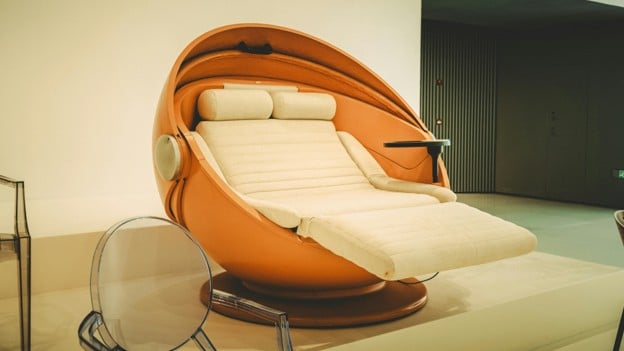
Wellness technology has made a serious leap forward. Take, for example, the OSIM full body massage chair backed by over 46 years of experience and certified by the Professional Chiropractic Association. That’s not marketing fluff. That’s what premium home comfort looks like in practice. Pair it with automated beds, air quality monitors, and multi-sensory relaxation tools, and your home stops being passive. It actively supports your recovery.
Making Everything Work Together
IoT hubs, voice assistants, unified control platforms- these pull your devices into one coherent experience. When your lighting, temperature, sound system, and massage chair respond to a single voice command or app tap, the result isn’t just convenient. It feels genuinely seamless in a way that’s hard to describe until you’ve lived it.
Having great devices matters. But the real value? What they do to your health and daily quality of life over time.
How This Technology Actually Changes Daily Life
This isn’t just about luxury. Comfort technology touches function, accessibility, and sustainability in ways that matter to real people with real budgets and real schedules.
Environments That Adapt to You
Environmental sensors now trigger mood lighting, gentle soundscapes, and temperature shifts based on time of day or activity. Working from home becomes dramatically less draining when your environment adjusts around your focus windows and rest periods automatically.
Comfort Tech That Includes Everyone
Seniors. Kids. People with limited mobility. Voice controls, motion sensors, and automated systems reduce physical effort and help people maintain independence in ways that simply weren’t possible ten years ago. That’s not a niche benefit, that’s a meaningful quality-of-life shift.
Eco-Friendly Comfort That Makes Financial Sense
Energy-efficient automation isn’t just good for the planet. Smart monitoring and adaptive climate control reduce unnecessary energy usage, which cuts bills while keeping your home exactly as comfortable as you need it. A genuine win-win.
Innovations Transforming the Home Comfort Market
| Innovation | Key Benefit | Best For |
| AI Massage Chairs | Full-body tension relief | Daily recovery |
| Smart Thermostats | Automated climate control | Energy savings |
| Adaptive Lighting | Mood and focus support | Work & relaxation |
| Air Quality Monitors | Healthier indoor environment | Families, allergy sufferers |
| Automated Beds | Personalized sleep positions | Sleep quality |
Your Home as a Recovery Space
Advanced massage chairs, aromatherapy diffusers, and digital art displays are transforming ordinary rooms into genuine recovery zones. People aren’t buying these as status symbols. They’re using them daily to decompress, reset, and feel human again after long days.
AI That Anticipates Instead of Reacts
Predictive automation is genuinely impressive once you experience it. These systems learn your routines and get ahead of your needs, warming the house before your alarm goes off, dimming lights as you wind down. The home stops reacting to you and starts anticipating you. That distinction matters more than it sounds.
Full Ambiance, Fully Synchronized
Syncing light, sound, and physical comfort into one responsive environment fundamentally changes what “being home” means. Whether you’re deep in focus mode, entertaining guests, or just trying to decompress on a Thursday night, your space can adjust to match.
The Automation Trends Driving All of This Forward
These innovations don’t exist in a vacuum. They’re being powered by broader home automation trends that are making personalized comfort smarter and more intuitive than ever.
In 2025, over half of wellness operators say they’re either investing in or actively evaluating new technology, 18% proactively investing, and another 36% reviewing their entire tech stack. That momentum is spreading from professional wellness spaces directly into homes.
Data-Driven, Genuinely Personal
Behavior analytics now generate truly personal recommendations, adjusting your environment based on observed patterns rather than manual input. That’s a meaningful leap beyond simple scheduling timers.
Control From Wherever You Are
Managing your comfort devices from your phone while you’re still commuting home isn’t futuristic. It’s Tuesday. Remote access makes consistency effortless and removes one more friction point from your day.
Brands Working Together Instead of Against You
Open platforms and shared APIs are pushing manufacturers to prioritize interoperability. A broader, more connected comfort ecosystem benefits everyone, especially you, the person trying to make all of it actually work inside one home.
Buying Smart: How to Choose Comfort Tech That’s Worth It
What to Think About Before You Upgrade
Compatibility, ease of use, cost, and data privacy all deserve honest consideration. Don’t invest in technology that requires a technical background to operate or that quietly collects more personal information than you’d knowingly allow.
The Long Game: Real ROI From Premium Devices
Better sleep. Lower stress. Reduced energy bills. Even higher resale value. Premium comfort devices earn their price tags through measurable improvements, and the wellness and productivity gains compound over time in ways that genuinely surprise people.
Where to Start
Begin with the categories that affect your daily life most directly: sleep quality, temperature control, or physical recovery. Brands with certifications, clinical backing, and honest warranties tend to earn their premium positioning.
The Questions People Actually Ask
What’s the most unnecessary smart device ever made?
Honestly, the smart egg tray, internet-connected salt shakers, and Bluetooth-enabled forks are strong contenders. They exist. They should not. But they do remind you that not every gadget deserves space in your home.
What are the biggest housing tech trends right now?
Blockchain for property transactions, IoT-connected systems, AI-driven home management, augmented reality for interior design, and big data analytics are all reshaping how homes get built, bought, and experienced. Comfort-focused automation sits right at the center of this shift.
Are smart home devices actually worth it for regular households?
For most people, yes, especially devices targeting sleep, temperature, and stress relief. Entry-level smart thermostats and lighting systems often pay back quickly through energy savings alone. Premium wellness tools deliver long-term benefits that compound well beyond their upfront cost.
Build the Home You Actually Want to Return To
Comfort-focused technology isn’t reserved for tech enthusiasts or luxury buyers anymore. It’s becoming the standard for anyone who wants a home that works as hard as they do and genuinely supports them when the day is done.
From smart devices that quietly automate your environment to premium wellness innovations that actively support recovery, the options are better and more accessible than ever before. Invest thoughtfully, start with what affects your daily life most, and your home transforms from just a place you sleep into the best part of your entire day.