

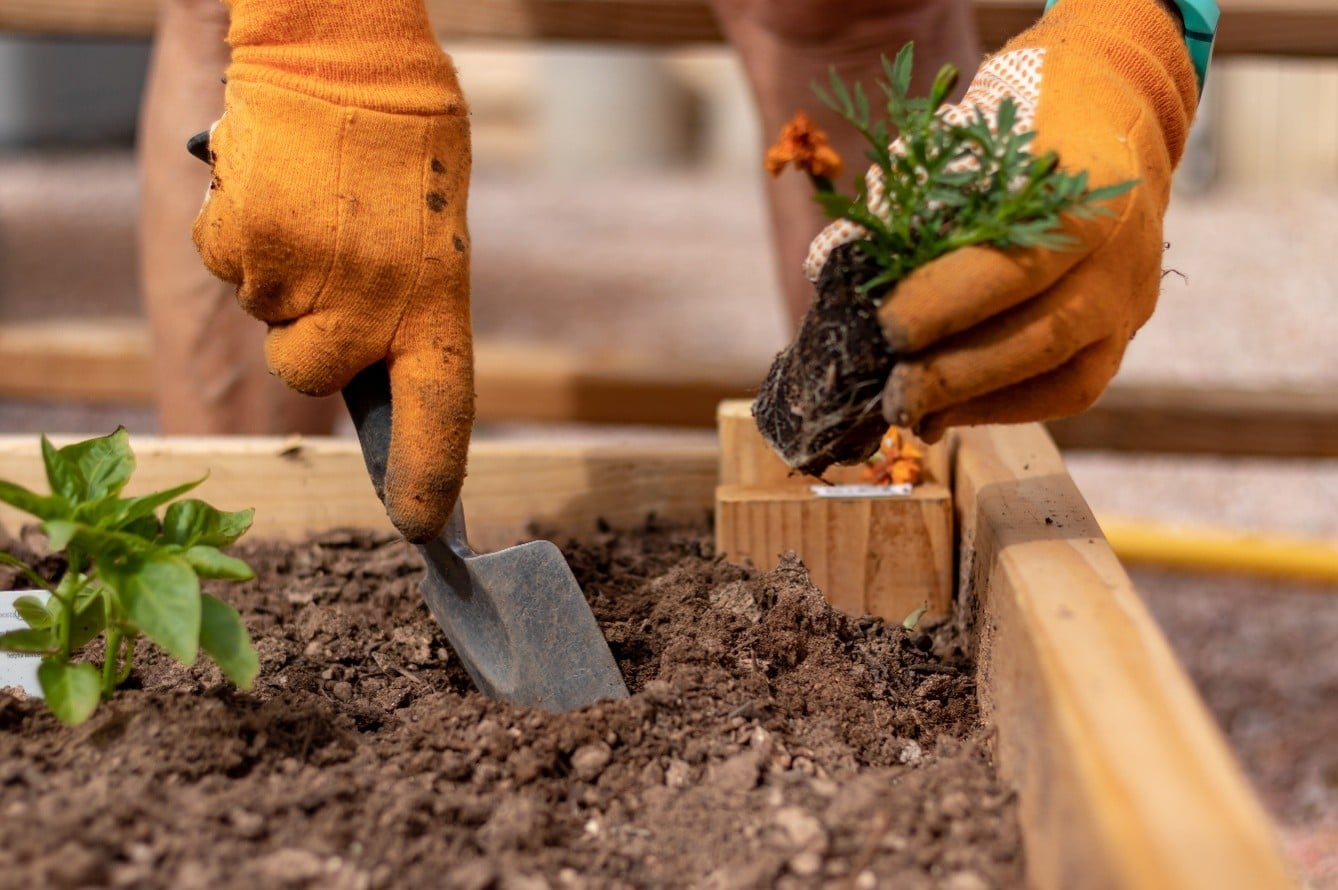
Spring may get most of the attention when it comes to gardening, but fall can be one of the most productive planting seasons in Tennessee. As the intense heat of summer begins to fade, gardeners have opportunities to establish trees and shrubs, plant spring-flowering bulbs, and grow another round of vegetables, herbs, and colorful flowers.
For gardeners in Lakeland and throughout Shelby County, understanding the local climate is an important place to start. The USDA Plant Hardiness Zone Map divides the country into zones based on average annual extreme minimum winter temperatures. Much of the Memphis and Shelby County area falls within USDA Zone 8a, although gardeners should use the USDA’s ZIP code lookup for their specific property because zone boundaries and local microclimates can vary. Zone 8a corresponds to average annual extreme minimum temperatures of 10 to 15 degrees Fahrenheit.[1]
Hardiness zones are most useful when selecting perennial plants that need to survive the winter. They do not tell gardeners exactly when the first frost will occur or guarantee that a particular plant will thrive in every yard. For West Tennessee gardeners, however, the combination of a relatively long growing season and mild fall weather creates plenty of opportunities to keep planting well beyond the end of summer.
Fall Is a Great Time for Trees and Shrubs
Homeowners thinking about adding a tree or shrub do not necessarily need to wait until spring. UT Extension notes that fall planting can benefit trees and shrubs because it gives roots an opportunity to grow and develop before the heat and stress of the following summer. Trees are also becoming less active as they move toward dormancy, potentially reducing some of the stress associated with transplanting.[2]
For Zone 8a landscapes, there are many possibilities. Native or regionally appropriate trees can include Eastern redbud, flowering dogwood, red maple, river birch, American holly, southern magnolia, and various oak species, depending on the property’s available space, sunlight, drainage, and soil conditions. Shrubs offer plenty of options as well. Oakleaf hydrangea, American beautyberry, inkberry holly, Virginia sweetspire and certain viburnums can work in Tennessee landscapes when their individual growing requirements match the site.
Choosing a plant based on appearance alone can create problems later. A small tree at the garden center may eventually become a large shade tree, while some shrubs can spread several feet in each direction. Before planting, consider mature size, proximity to buildings and utility lines, drainage, and the amount of daily sunlight the site receives.
Plant Spring-Flowering Bulbs Now
One of the unusual things about fall gardening is that some of the work will not become visible until months later. Spring-flowering bulbs are planted during the cooler months so they can establish underground before producing flowers the following year. UT Gardens recommends planting spring-flowering bulbs such as daffodils, tulips and crocuses during the fall.[3]
For Shelby County gardeners, popular options include:
- Daffodils are among the most recognizable spring bulbs and can return year after year when planted in suitable conditions.
- Crocuses produce small, early flowers and can add color before many other garden plants begin blooming.
- Tulips provide a wide range of colors and forms, although their performance as long-term perennials can vary in warmer Southern climates.
- Hyacinths offer colorful flowers and a distinctive fragrance.
- Alliums produce globe-shaped flowers and come in varieties ranging from relatively small plants to dramatic ornamental selections.
When planting bulbs, pay attention to package instructions for planting depth and spacing. Good drainage is particularly important because bulbs sitting in persistently wet soil can rot.
Keep the Vegetable Garden Going
The arrival of September does not necessarily mean the vegetable garden is finished.
Cool-season crops can perform well as temperatures decline, and some vegetables actually become easier to grow once the hottest weather has passed. UT Extension identifies numerous crops suitable for Tennessee fall gardens, although planting dates vary depending on the vegetable.[4]
For a mid-September garden in West Tennessee, some of the best possibilities include turnip greens, mustard greens, radishes, spinach, and lettuce, depending on the variety and expected time to maturity. Turnip greens are particularly well suited to late-season planting. UT Extension’s fall vegetable guidance lists a planting interval extending through September 30 for turnip greens.
Gardeners who started earlier may also have fall crops of broccoli, cabbage, cauliflower, kale, collards and carrots developing as temperatures decline. Timing becomes increasingly important as fall progresses. A seed packet may say that a vegetable matures in 40 days, but shortening daylight and cooling temperatures can slow growth compared with spring conditions. Choosing fast-maturing varieties can therefore be helpful for later plantings.
Memphis Has a Relatively Long Fall Growing Season
West Tennessee’s climate gives gardeners a little extra room to work with compared with colder portions of the state. UT Extension’s Tennessee Home Fruit and Vegetable Garden calendar lists October 30 as a conservative first-fall-frost date for Memphis. The date represents a point at which there is only a 10 percent chance of frost occurring earlier. Actual conditions vary from year to year, so gardeners should still watch local forecasts carefully.[5]
That later frost date is useful when planning September vegetables. If a crop requires 30 or 40 days to reach harvest, there may still be time to produce it before a significant freeze. Crops capable of tolerating light frost can extend the season even further. Gardeners can also use row covers and other season-extension methods when colder nights arrive.
Add Cool-Season Herbs
Fall can also provide opportunities for an herb garden. Cilantro is an especially useful cool-season choice because it tends to struggle and quickly bolt during hot summer weather. Cooler conditions make fall a better season for growing it. Parsley is another cool-tolerant herb that can be grown during the cooler months. Chives are perennial and are generally hardy well beyond the temperatures normally experienced in Zone 8a.
Some established perennial herbs, including thyme, oregano, sage, and mint, can also survive Tennessee winters, depending on variety, drainage, and site conditions.
Rosemary requires a little more thought. Cold tolerance varies significantly among cultivars, so Shelby County gardeners hoping to grow rosemary as a perennial should choose a cold-hardy selection and place it in a well-drained, protected location.
Containers offer another option. Potted herbs can be moved to protected locations when unusually cold weather threatens.
Bring Color Back With Fall Flowers
Summer annuals can begin looking tired by September, but that does not mean flower beds have to become empty. Pansies and violas are classic cool-season flowers for Tennessee. They can provide color during periods when many warm-season annuals have stopped performing. Snapdragons are another cool-weather option and are available in a variety of sizes and colors. Ornamental kale and cabbage can provide dramatic foliage rather than traditional flowers and become especially attractive as temperatures cool.
Gardeners may also encounter chrysanthemums everywhere from nurseries to grocery stores during fall. Mums provide immediate seasonal color, but homeowners hoping to establish perennial garden chrysanthemums should pay attention to the specific variety and give plants enough time to establish roots before winter. Fall is also a good time to think about perennial flowers rather than only annual color. Properly selected perennials planted during cooler weather can begin developing roots before winter and then return the following growing season.
Pay Attention to Soil and Water
Cooler weather does not eliminate the need for watering. New trees, shrubs, flowers, and vegetables still need adequate moisture while becoming established. Fall can sometimes be dry in Tennessee, making supplemental watering necessary even when temperatures feel comfortable. UT Extension recommends preparing fall vegetable gardens carefully because high temperatures and limited rainfall can make seed germination challenging. Gardeners should make sure the soil has adequate moisture before planting and continue monitoring young plants afterward.[6]
Trees and shrubs require similar attention. Newly planted woody plants should not simply be put in the ground and forgotten. Mulch can help conserve moisture and moderate soil temperature, but it should not be piled against the trunk of a tree. Instead, spread it across the root area while keeping it away from direct contact with the trunk.
Choose Plants for the Yard, Not Just the Zone
Knowing that Lakeland and much of Shelby County are in Zone 8a is helpful, but hardiness is only one part of successful gardening. The USDA explains that its zones are based on average annual extreme minimum winter temperatures rather than the lowest temperature that could ever occur. The maps also cannot capture every small microclimate.[7]
Sunlight, drainage, soil type, moisture and exposure to wind can make two yards within the same neighborhood surprisingly different. A shade-loving shrub planted against a hot, west-facing wall may struggle even though it is technically hardy to Zone 8a. Likewise, a plant that dislikes wet soil may fail in a low spot where water collects after heavy rain. Before buying a perennial, tree, or shrub, check both its hardiness range and its individual growing requirements.
Make the Most of Tennessee’s Second Planting Season
For Lakeland gardeners, fall does not have to be the season when gardening ends. In many ways, it can be a second planting season. September and the weeks that follow can be used to establish trees and shrubs, prepare for spring with flowering bulbs, refresh containers with cool-season flowers, and squeeze another harvest from the vegetable garden.
For gardeners wondering where to begin, the simplest approach is to choose plants suited to Zone 8a, evaluate the amount of sunlight and drainage available, and then start with a manageable project. Plant a few daffodils near the front walk. Start a row of turnip greens. Replace fading summer flowers with pansies. Add a native shrub or begin planning a new shade tree. The results may appear this fall, next spring, or even several years from now. That is part of what makes fall gardening worthwhile: some of the best things planted today are investments in seasons still to come.
[1] U.S. Department of Agriculture, “2023 USDA Plant Hardiness Zone Map.” https://planthardiness.ars.usda.gov/
[2] University of Tennessee Institute of Agriculture, “Welcome Home: Gardening in Tennessee.” https://utia.tennessee.edu/publications/wp-content/uploads/sites/269/2023/10/PB1919.pdf
[3] UT Gardens, University of Tennessee Institute of Agriculture, Gardening Resources and Seasonal Plant Guidance. https://utgardens.tennessee.edu/
[4] University of Tennessee Extension, “Fall Vegetable Gardens.” https://utia.tennessee.edu/publications/wp-content/uploads/sites/269/2023/10/SP291-G.pdf
[5] University of Tennessee Extension, “Tennessee Home Fruit and Vegetable Garden.” https://utia.tennessee.edu/publications/wp-content/uploads/sites/269/2024/02/W436.pdf
[6] University of Tennessee Extension, “Fall Vegetable Gardens.” https://utia.tennessee.edu/publications/wp-content/uploads/sites/269/2023/10/SP291-G.pdf
[7] U.S. Department of Agriculture, “How to Use the Plant Hardiness Zone Maps.” https://planthardiness.ars.usda.gov/pages/how-to-use-the-maps