

Choosing a place to live involves more than comparing crime statistics. Housing costs, neighborhood conditions, schools, healthcare, transportation, and access to everyday services can all influence your quality of life.
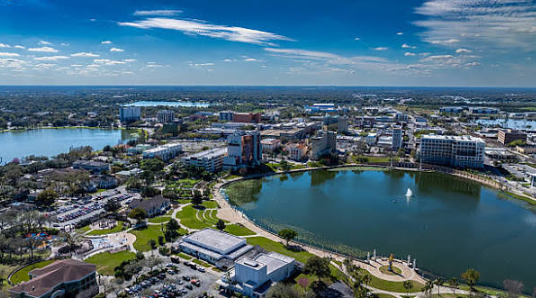
Lakeland is located in Polk County in Central Florida, between Tampa and Orlando. The city offers residential neighborhoods, lakes, parks, educational institutions, and access to major transportation routes.
Before deciding whether to move, consider asking yourself, is Lakeland, Florida, a safe place to live based on more than crime statistics? Visiting potential neighborhoods, checking local amenities, and researching schools, healthcare facilities, and transportation options can help you understand whether the community suits your needs and daily routine. Here are several factors to examine before moving.
Compare Neighborhood Conditions
Lakeland includes established residential areas, historic neighborhoods, and newer developments. Each area may differ in traffic, noise, property maintenance, and access to public spaces. Visiting potential homes during different times of day can help you understand the surroundings.
Pay attention to street lighting, sidewalks, property upkeep, and nearby activity. Speak with residents when possible to learn about everyday concerns and neighborhood involvement. These observations provide useful context beyond citywide crime figures.
Evaluate Housing Costs
Housing affordability affects whether a move remains financially comfortable over time. Compare rent or mortgage payments alongside property taxes, insurance, utilities, and maintenance expenses. A home that appears affordable initially may involve additional recurring costs.
Review several properties before making a decision. Consider whether the neighborhood offers convenient access to work, shopping, and other essential services. Balancing housing expenses with daily convenience can help you choose a sustainable option.
Research Schools and Education
Families moving with children should investigate nearby schools and available educational programs. School boundaries, transportation arrangements, extracurricular activities, and academic offerings can differ by address. Confirm attendance zones directly with the relevant school district.
Also consider access to childcare, libraries, and after-school programs. These services can influence family schedules and commuting responsibilities. Reviewing these options helps determine whether an area supports your household’s educational needs.
Check Transportation and Commute Times
Lakeland’s position between Tampa and Orlando can be useful for people traveling across Central Florida. However, actual commute times depend on the destination, traffic conditions, and departure time. Test your likely route during regular commuting hours before choosing a home.
Check access to major roads, public transportation, parking, and essential destinations. If you depend on transit, confirm schedules and nearby stops. Convenient transportation can improve daily life even when a neighborhood has other limitations.
Review Healthcare and Emergency Services
Access to healthcare is another important consideration when comparing neighborhoods. Identify nearby hospitals, urgent care facilities, pharmacies, and primary care providers. Consider travel times and whether local providers accept your insurance.
You should also understand which emergency services cover the property’s exact address. City boundaries and service jurisdictions may differ around the greater Lakeland area. Confirming these details helps you understand what support is available nearby.
Examine Flood Risk and Local Infrastructure
Florida weather makes drainage, flooding, and storm preparedness important parts of relocation planning. Check flood maps, drainage conditions, and the property’s history of water intrusion before signing a lease or purchasing a home.
Florida Statutes § 553.844 addresses mitigation of buildings against wind damage, making building resilience another factor to consider when evaluating a property’s condition. Insurance requirements and costs may vary depending on the property’s location and risk exposure.
Also review road conditions, water services, and planned construction nearby. Infrastructure improvements can affect traffic and neighborhood convenience. Researching these issues helps you anticipate practical challenges beyond personal safety.
Quick Summary
- Compare neighborhood conditions instead of relying only on crime statistics.
- Calculate total housing costs, including insurance and maintenance.
- Verify school zones and educational services for your address.
- Test commute routes and check transportation options.
- Research healthcare access, flood exposure, and local infrastructure.
- Visit the neighborhood in different seasons to understand how weather, traffic, and daily conditions may affect your comfort and long-term living experience.