

For residents of Lakeland and communities throughout Shelby County, severe weather is a year-round concern rather than something confined to a single season. Tennessee can experience thunderstorms, damaging winds, tornadoes, flash flooding, and related power outages at different points throughout the year, sometimes with relatively little warning.
The Tennessee Emergency Management Agency (TEMA) notes that severe weather can occur during any season in the state. Storms may produce damaging winds, lightning, hail, heavy rain, flash flooding, tornadoes, and disruptions to utilities.[1] That makes preparedness especially important for households in West Tennessee, where changing weather conditions can quickly affect travel, schools, homes, and daily routines. While no household can prevent a storm from occurring, residents can take practical steps to make severe weather easier and safer to navigate.
Tornadoes Can Occur at Any Time
Tornadoes are among Tennessee’s most serious weather threats, and one factor makes preparedness particularly important: they do not occur only during daylight hours.
TEMA reports that tornadoes can happen in Tennessee during any season and at any time of day. The agency says Tennessee experiences more nighttime tornadoes than any other state, with more than half of the state’s tornadoes touching down after sunset.[2] Nighttime tornadoes can be particularly dangerous because people may be sleeping, unable to see the approaching storm or less likely to notice changing conditions outside.
Residents should therefore determine their safest shelter location before a warning is issued. In a sturdy home or building without a basement or dedicated storm shelter, this generally means a small, interior room on the lowest floor, away from windows, exterior walls, and doors. Families can make that location even more useful by keeping basic supplies nearby. Shoes, flashlights, helmets, blankets, and a way to receive weather information can all be helpful. Shoes are particularly important following a damaging storm because broken glass, nails, and other debris may make it hazardous to walk through a damaged home.
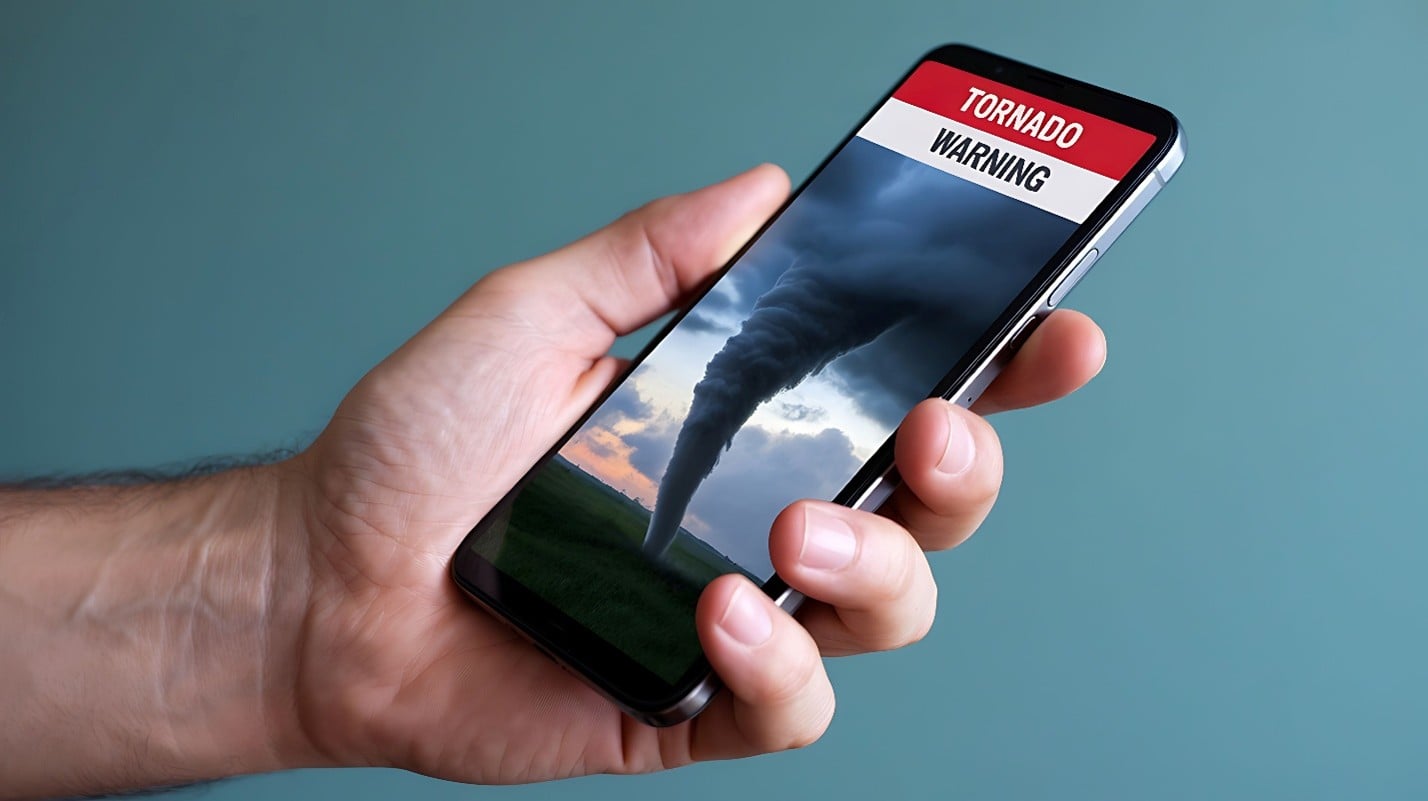
Understanding weather terminology also matters. According to the National Weather Service office in Memphis, a Tornado Watch means conditions are favorable for thunderstorms capable of producing tornadoes. A Tornado Warning means a tornado has been reported or is considered highly likely based on Doppler radar information.[3]
In simple terms, a watch means residents should be prepared to act. A warning means it is time to take shelter.
Severe Thunderstorms Should Be Taken Seriously
Not every dangerous storm produces a tornado. Severe thunderstorms themselves can create significant hazards through damaging straight-line winds, hail, lightning, and heavy rainfall. Outdoor furniture, umbrellas, decorations, trash containers, and other loose objects can become airborne in strong winds. Before storms arrive, residents should secure outdoor belongings when there is enough time to do so safely.
Once thunder is audible, moving indoors is the safest response. Residents should also stay away from windows when damaging winds or hail are occurring. The possibility of additional storms should not be overlooked after the first round of bad weather passes. Storm systems can produce multiple waves of severe weather, meaning an apparent break in the rain does not necessarily mean the threat has ended. Continue monitoring reliable forecasts and alerts until officials indicate that conditions have improved.
Flooding Can Develop Away From Rivers and Creeks
Flooding is another important concern in Tennessee, particularly when thunderstorms produce heavy rain over a short period. One common misconception is that flooding primarily threatens properties next to rivers, lakes, and creeks. TEMA cautions that flooding can occur even outside mapped high-risk flood zones. Heavy rainfall, saturated soil, poor drainage, development, and overwhelmed stormwater systems can cause water to cover roads and enter homes and businesses.[4] That makes flood awareness important throughout Shelby County.
Drivers should never assume that water covering a road is shallow enough to cross. Water can hide damaged pavement, debris, or washed-out sections of roadway, and moving water can carry vehicles away. Barricades should never be driven around.
Residents should also avoid walking or allowing children and pets to enter floodwater. Beyond the danger of moving water, floodwater can contain sewage, chemicals, debris, and other hazards. Households that may face flooding should identify routes to higher ground and consider where important documents, valuables, and emergency supplies are stored. TEMA also encourages property owners and renters to understand their insurance coverage because standard homeowners and renters policies generally do not cover flood damage.
Have More Than One Way to Receive Emergency Alerts
Severe weather preparedness depends heavily on receiving warnings quickly.
A cellphone can be an important source of emergency information, but residents should avoid relying on a single device or app. Phones can be silenced, batteries can die, and cellular networks can become congested during emergencies. TEMA recommends having multiple methods for receiving alerts, including a system capable of waking household members at night. Wireless Emergency Alerts should be enabled on compatible phones, and a NOAA Weather Radio can provide another source of warnings.
Shelby County also operates outdoor warning sirens in parts of unincorporated Shelby County. County emergency management officials instruct people who hear an outdoor warning siren to seek the nearest shelter and find additional information about the reason for the alert.[5] Outdoor sirens should be treated as another layer of notification rather than the only way a household expects to learn about dangerous weather. Local television and radio stations, trusted weather applications, the National Weather Service, and local emergency management agencies can provide additional information.
Prepare for the Possibility of a Power Outage
High winds, lightning, falling trees, and damaged utility infrastructure can leave neighborhoods without electricity following a severe storm. Preparing before the lights go out can make the situation much easier to manage. Households can keep flashlights, batteries, and portable phone chargers accessible rather than stored somewhere difficult to find in the dark. Refrigerators and freezers should be kept closed as much as possible during an outage, and residents who depend on electrically powered medical equipment should develop a backup plan in advance.
For customers served by Memphis Light, Gas and Water, electrical outages can be reported through MLGW’s 24-hour outage hotline at 901-544-6500. MLGW maintains a separate emergency number, 901-528-4465, for situations such as downed or sparking electrical wires, gas leaks, and other utility emergencies.[6]
Generators require additional precautions. Portable generators should never be operated indoors or in enclosed areas such as garages because their exhaust contains carbon monoxide. MLGW advises operating generators in well-ventilated, dry areas away from home air intakes and warns residents against attempting to power an entire home by plugging a generator directly into a wall outlet. Downed power lines should always be treated as dangerous. Residents should stay well away from them and report them rather than attempting to move wires or nearby debris.
Build an Emergency Kit Before It Is Needed
A household emergency kit does not have to be complicated. Its purpose is to provide essential supplies if a family must shelter in place, evacuate, or spend an extended period without electricity or normal services. The Tennessee Department of Health recommends supplies including water, several days of nonperishable food, flashlights, extra batteries, a battery-powered or NOAA Weather Radio, a first-aid kit, medications, a manual can opener, local maps, and charging options for mobile phones.[7]
Emergency supplies should reflect the people actually living in the household. Families with infants may need formula, diapers, and other supplies. Older adults and people with medical needs may require medications or backup equipment. Pet owners should include food, water, medications, carriers, leashes, and other animal necessities. Residents may also want smaller emergency kits in their vehicles, particularly because severe weather can develop while people are commuting or away from home.
Create a Household Communication Plan
Preparedness is not only about supplies. Families should know what they will do if severe weather occurs while household members are in different places. Parents may be at work while children are at school or activities. Family members could be traveling, shopping, or visiting friends when warnings are issued. A household plan can establish where everyone should shelter, how family members will communicate, and who will serve as an emergency contact. The plan should also consider pets, medications, transportation needs, and family members who may require assistance.
Shelby County Emergency Management and Homeland Security Agency serves as the county’s lead agency for emergency preparedness, response, mitigation, and recovery. The agency also provides preparedness information covering severe weather, emergency alerts, disaster kits, and other local hazards.[8] Families do not need an elaborate disaster manual. A simple written plan that everyone understands and periodically reviews can make an emergency less confusing.
Preparedness Starts Before the Forecast Turns Severe
One of the easiest mistakes to make is waiting until severe weather is approaching to begin preparing. By then, residents may be trying to charge devices, find flashlights, move outdoor belongings, and determine where to shelter at the same time.
A better approach is to make severe weather readiness part of normal household planning.
For Lakeland and other Shelby County residents, that can mean identifying a safe room, enabling emergency alerts, keeping devices charged, assembling basic supplies, and discussing what everyone in the household should do when a warning is issued. Tennessee’s weather will always contain an element of unpredictability. Preparedness does not eliminate that uncertainty, but it can give residents something valuable when conditions deteriorate quickly: a plan they already know how to follow.
[1] Tennessee Emergency Management Agency, “Severe Weather.” https://www.tn.gov/tema/new-tema/prepare/know-your-risks/severe-weather.html
[2] Tennessee Emergency Management Agency, “Tornadoes.” https://www.tn.gov/tema/new-tema/prepare/know-your-risks/tornadoes.html
[3] National Weather Service Memphis, “Local Headline Definitions.” https://www.weather.gov/meg/headlines
[4] Tennessee Emergency Management Agency, “Flooding.” https://www.tn.gov/tema/new-tema/prepare/know-your-risks/flooding.html
[5] Shelby County Government, “Alerts & Warning.” https://www.shelbycountytn.gov/3850/Alerts-Warning
[6] Memphis Light, Gas and Water, “Important Numbers.” https://www.mlgw.com/residential/importantnumbers
[7] Tennessee Department of Health, “Emergency Preparedness.” https://www.tn.gov/health/prepare.html
[8] Shelby County Government, Emergency Management and Homeland Security Agency, “About Us.” https://www.shelbycountytn.gov/3834/About-Us